


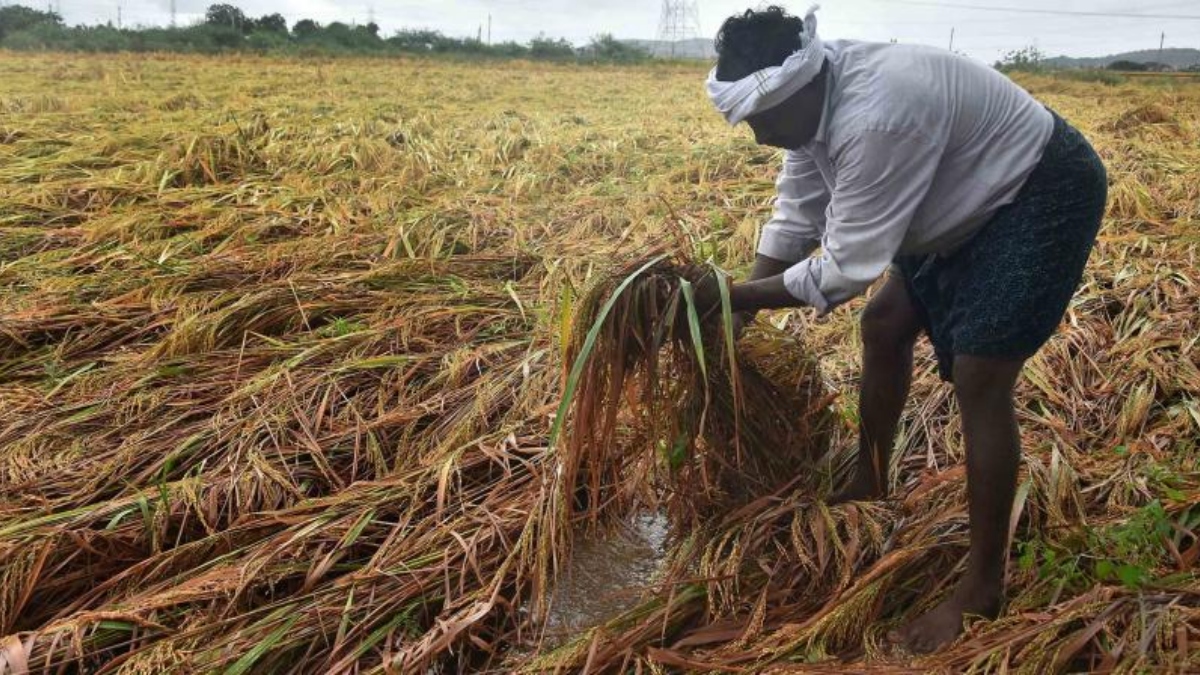
Faced with abundant rice stocks, India is channeling a record amount of its surplus into ethanol production. This move is particularly significant as a new harvest promises to further swell existing reserves. This situation represents a dramatic shift from the recent past, when the country was compelled to ban rice exports due to shortages. The utilization of rice for ethanol production is now proving crucial for managing excess inventory and supports the nation’s ethanol blending goals, especially given the constrained supply of traditional sources like sugarcane. Following a two-year export ban, imposed during a period of drought, India lifted restrictions in March. Favorable rainfall is expected to contribute to a successful harvest this year. A government official stated that food security is paramount, but when rice supplies exceeded demand, the decision to use it for ethanol became necessary. The Food Corporation of India (FCI) has allocated an unprecedented 52 lakh metric tonnes of rice for ethanol production, equivalent to about 9% of the global rice trade, a significant increase from less than 3,000 tonnes the previous year. As of June 1, FCI held a total stock of 59.5 million tonnes, substantially exceeding the July target of 13.5 million tonnes. The abundance of rice has helped stabilize maize prices, which previously soared, prompting considerable imports. Grain-based distilleries adjust their raw materials—including maize, rice, and other perishable grains—based on price fluctuations. India, a major oil importer, is targeting a 20% ethanol blend in petrol by 2025/26, a goal almost achieved in May at 19.8%, facilitated by ample rice availability. This target appeared challenging in 2023 due to sugarcane supply issues caused by drought.