
.jpeg "Featured Image")


The year 1857 is often cited as the beginning of India’s first war of independence, but the real spark ignited in 1855. The Santhal rebellion, or Hul movement, in the Santhal Pargana region of Jharkhand, predates the Sepoy Mutiny and saw the Santhal people rise up against British colonial rule. This uprising, which lasted approximately nine months, forced the British to concede to the demands of the Santhals.
The rebellion began in Bhognadih, in present-day Sahibganj district. The leaders, Sidhu and Kanhu Murmu, along with their brothers Chand and Bhairav, organized over 10,000 Santhals, establishing a parallel government to challenge the East India Company. Their actions led to widespread resistance, with many targeting landlords, moneylenders, and those associated with the British administration. The Santhals refused to pay taxes and demanded the British leave their land.
The British responded with brutal repression, targeting women and children. Despite this, the Santhals fought back, targeting British forces and collaborators. The colonial administration deployed elephants to intimidate the rebels, but the movement persisted. The East India Company then offered rewards for the capture of Sidhu, Kanhu, Chand, and Bhairav.
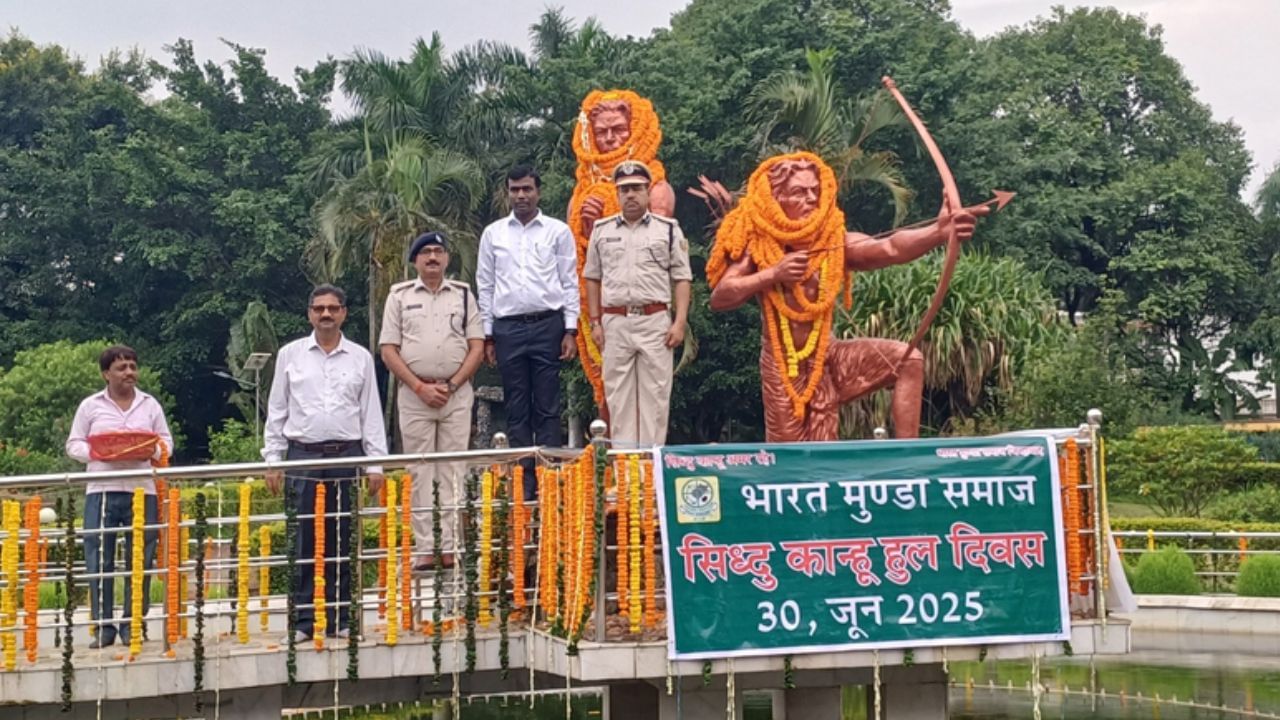
The Hul movement’s impact was significant. The British, fearing further unrest, were compelled to introduce the SPT Act (Santhal Pargana Tenancy Act) in 1876, aimed at protecting Santhal land rights and enabling self-governance in their territories. The leaders, including Sidhu-Kanhu, Chand-Bhairav, and Phulo-Jhano, sacrificed their lives. Sidhu Murmu was hanged on July 26, 1856, and Kanhu Murmu met the same fate in Bhognadih. June 30th is observed as Santhal Hul Day to commemorate the Hul movement and its enduring legacy.