.jpeg "Featured Image")



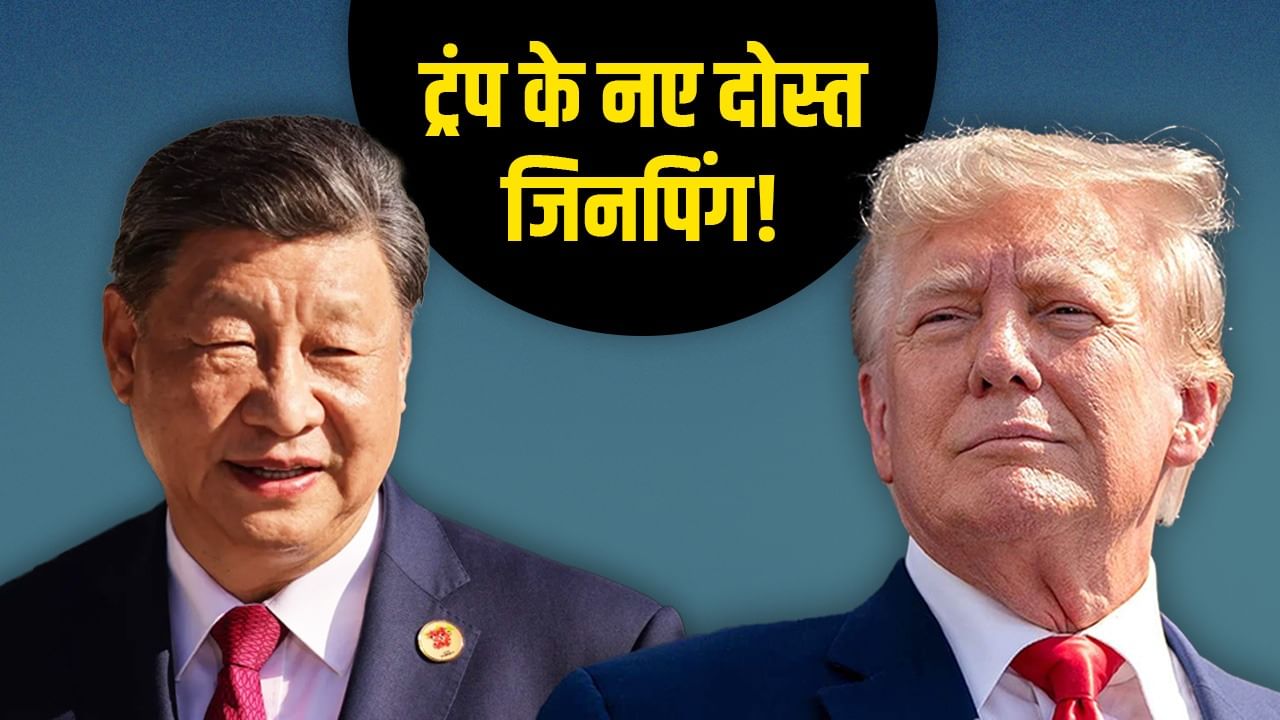
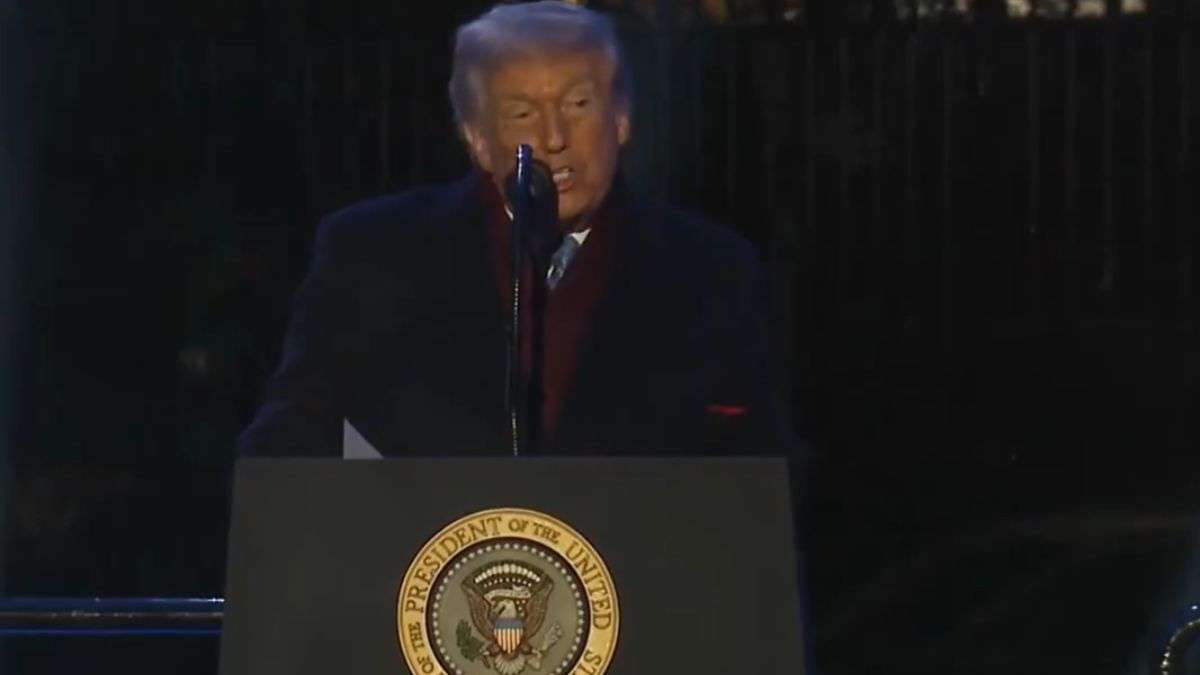
Following a deterioration in his relationship with Putin, former US President Trump appears to be shifting focus, now seemingly extending an olive branch to China’s Xi Jinping. This is suggested by the United States’ actions in the field of AI. Specifically, amidst a surge in demand from China, NVIDIA has placed an order for 300,000 high-end computer chips from Taiwan Semiconductor Manufacturing Company (TMSC). This deal, involving the H20 chipset, a cutting-edge technology, was approved shortly after Trump had initially restricted NVIDIA from conducting business with China due to security concerns. The swift removal of this restriction, within just three months, has raised questions about Trump’s evolving stance on China.
The US-China AI competition began with the launch of DeepSeek, an AI model developed in China that rivals ChatGPT. Trump, citing national security, had previously blocked major US suppliers like NVIDIA from supplying chips to China. This action mirrored a similar semiconductor manufacturing initiative implemented by Biden in 2022. However, the White House lifted these restrictions after only three months. According to Newsweek, NVIDIA is now fully permitted to sell in China. Jensen Huang, NVIDIA’s CEO, announced on July 14th that the US government had assured them of the reinstatement of licenses to sell H20 chips in China, emphasizing the future importance of AI models. This decision led to a surge in demand for NVIDIA chips in China, prompting the company to contract with Taiwan for 300,000 H20 chips.
The core question revolves around Trump’s sudden shift in policy towards China. The change is potentially linked to the strained relationship between Trump and Putin, particularly due to the ongoing Ukraine conflict. Trump’s response to a recent statement by a Russian leader included the deployment of nuclear submarines, reflecting the depth of the rift. This situation may be influencing Trump to seek an ally in China, instead of Russia. Additionally, there are reports suggesting Trump might visit Beijing later this year.
In the AI domain, the US currently leads China. According to Stanford University’s ranking, the US is ranked first, with China in second place. Experts are concerned that the US’s support could potentially elevate China to the top spot. A spokesperson for the Chinese embassy has emphasized China’s commitment to human-centric principles in AI development.