


The middle-class family serial ‘Bakaiti’ struggles to distinguish itself, often echoing the style of ‘Gullak’ but falling short. Unlike the successful ‘Dupahiya,’ which surpassed ‘Panchayat,’ ‘Bakaiti’ brings promising talent but fails to provide compelling content. The series leans toward smiles rather than genuine laughter, resembling an echo rather than a unique voice. The family dynamics are quickly established, and the initial impact fades prematurely.
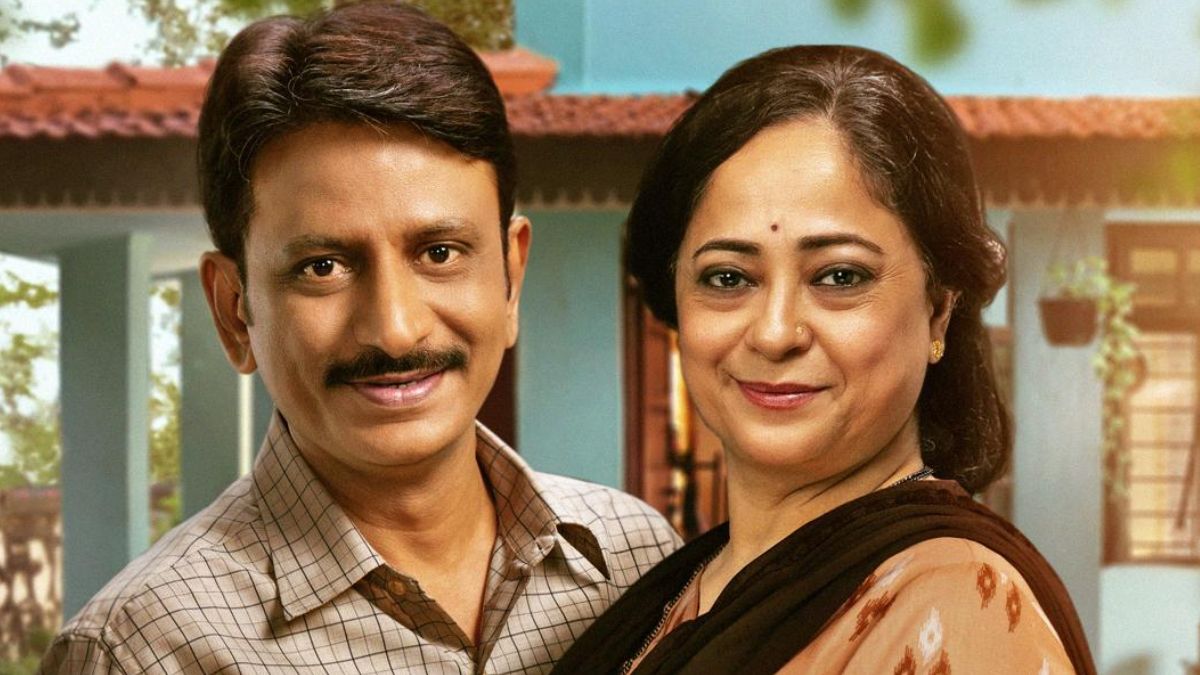
The performances of Rajesh Tailang and Sheeba Chadha, portraying the parents, initially salvage a significant portion of the series. However, their presence cannot overcome the plot’s flaws and inconsistencies. The writing feels lackluster, with actors seemingly instructed to compensate for the lack of inspiration through loud and aggressive delivery.
Regrettably, the storytelling lacks dramatic tension, even in moments of potential gravity. Jokes, such as those about mock-mourning, feel stale and unoriginal. The supporting actors’ portrayals are reminiscent of working-class caricatures rather than authentic representations.
The interactions between the Kataria siblings are particularly irritating, primarily due to the overacting. Their behavior resembles monotonous rituals rather than genuine sibling connections.
Despite these shortcomings, there are occasional bright spots. Sheeba Chadha’s character, Sushma Kataria, displays a moment of intrigue when she questions her sister-in-law about a saree, suggesting a deeper understanding of family dynamics. Another humorous moment involves the grandfather’s bewilderment at his daughter’s marriage after spending his time on his phone.
The introduction of a tenant, central to the family drama, diminishes the already limited appeal of the characters. Predictably, the tenant is young and an ideal match for the Kataria family’s daughter.
Ultimately, ‘Bakaiti,’ despite its short episodes, is a tiresome experience. However, there is a desire for a second season, as the characters possess potential for growth. To achieve this, the creative team needs to break free from clichés and explore the middle-class experience beyond superficial tropes.