


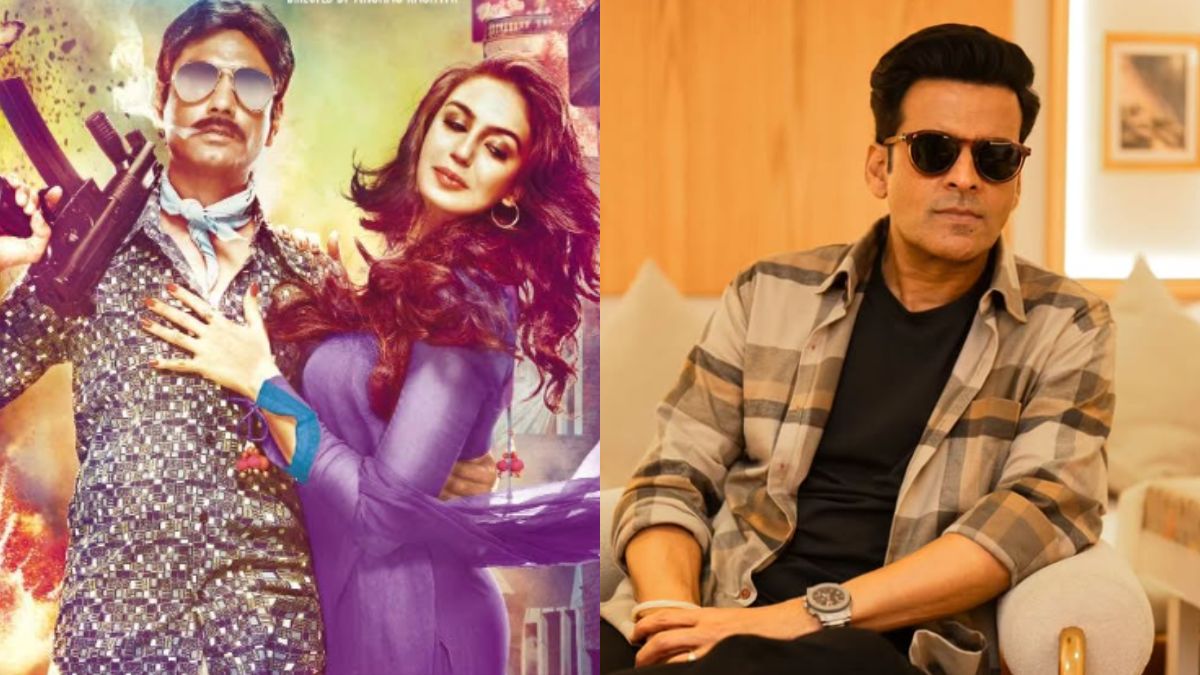
Part 2 of Gangs of Wasseypur, released shortly after the first installment, escalated the violence. The film, directed by Anurag Kashyap, plunges viewers into a world of trigger-happy characters, where counting the bullets fired might be a challenge. Amidst the chaos of vendetta and potential redemption, the characters exist on the precipice, seemingly unafraid of the consequences of their vengeful journey.
Cops are viewed with a certain cynicism within Kashyap’s cinematic universe, even by the police themselves. A characteristic Kashyap-style joke appears before the interval when the protagonist, Faizal, carries his brother’s body home. The police stop him and request he accompany them to the station.
Faizal retorts, “Don’t you see I’m taking my brother home?’
A khaki-clad officer replies, “We understand. Why don’t you hand over the body to us and come with us?”
This scene embodies the typical portrayal of the police force in commercial Hindi cinema, often arriving late or at inopportune moments. Kashyap skillfully incorporates inside jokes throughout this meticulously constructed tribute to street violence. The gang wars feel so authentic that they border on unreal, which perfectly captures the film’s essence. The violence, reflective of the politically charged environment of North Indian towns, is exaggerated, with death as a possible consequence for any transgression.
The visceral soundtrack, featuring Sneha Khanwalkar’s evocative folk songs of Bihar and the use of 1980s film songs, amplifies the intensity. Even as the narrative advances into the 2000s, the characters remain rooted in the 1980s. The selection of caller tunes from the 80s and 90s used by the characters adds another layer, and the presence of Yashpal Sharma, singing a 1980s song, provides a darkly comedic touch to a funeral scene. The film’s humor often stems from its violence. A series of communication failures among assassins, reminiscent of 1980s comic-action films, is a prime example.
Kashyap also pokes fun at his own depiction of gangsterism. In one scene, an assassin asks his target for an address, only to be informed it’s in the wrong city before being killed. While the setting is Dhanbad, the film was shot in Varanasi.
The film presents violence in various forms – funny, tragic, and tragicomic – as a constant in the characters’ lives. The saga of gangsterism makes comparisons to Coppola’s Sicily look tame. More fast-paced and intense than its predecessor, Gangs of Wasseypur 2 explores the blurred lines between dreams, nightmares, and reality. The performances are compelling; Nawazuddin Siddiqui delivers a powerful portrayal of the ganja-influenced protagonist. Richa Chadda embodies the simmering intensity of a character whose passion endures, and Huma Qureshi brings a vibrant energy to her role. The film features a host of remarkable actors, and the violence is depicted with a chilling matter-of-factness.
In the film, Aditya Kumar and Zeishan Quadri also delivered memorable performances. The emotional ties among the characters are often intertwined with the logistics of mainstream cinema. The film concludes with Nawazuddin Siddiqui being killed, showcasing the cyclical nature of violence. Reflecting on the making of Gangs of Wasseypur, Manoj Bajpayee mentioned realizing during the final edit that the film was unique and would leave a lasting impact. He praised his co-stars, highlighting their talent and the collaborative effort that brought the film to life. Bajpayee also shared that he did not speak to Anurag Kashyap for eighteen years after the film’s shooting due to a misunderstanding.