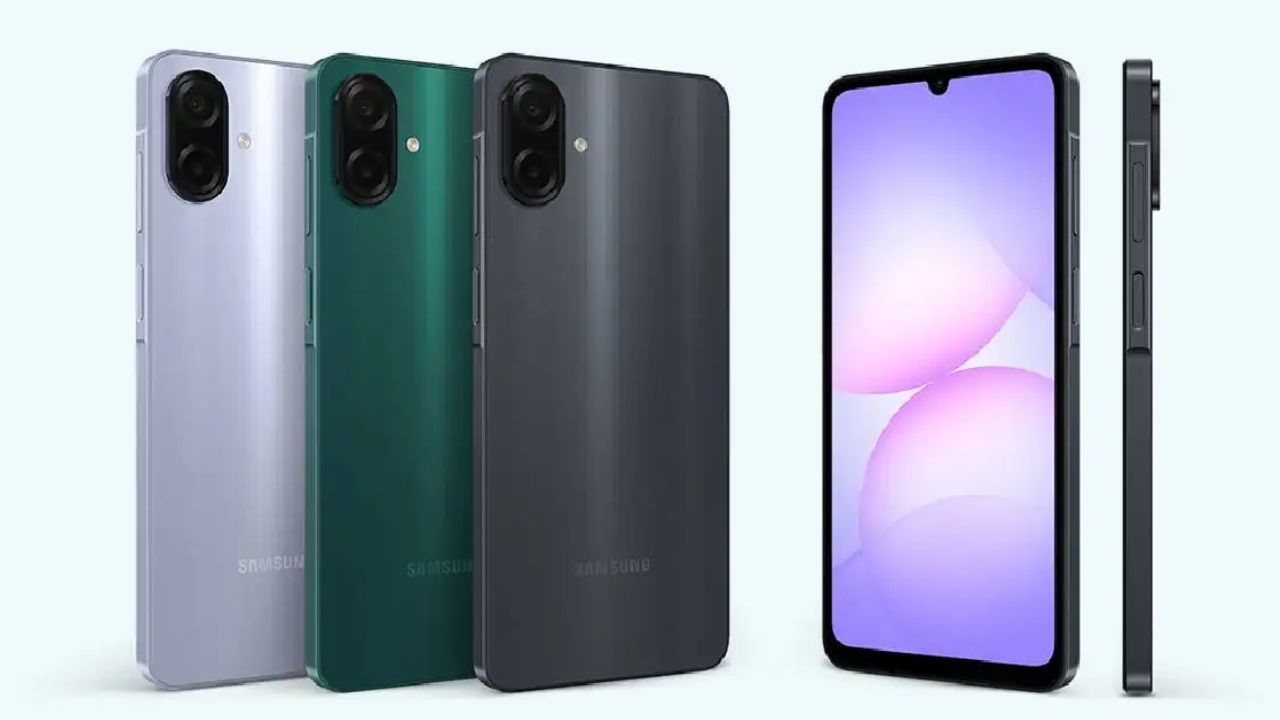



Following the announcement of a 50% tariff on imports from India by the United States, set to take effect on August 27th, Indian electronics manufacturing companies are facing significant pressure. Consequently, several electronics firms are reconsidering their local expansion strategies and actively exploring new overseas markets. Notably, products like smartphones, tablets, laptops, and certain telecom equipment are currently exempt from these tariffs.
Munoth Industries, which had signed a deal with US-based Anker in January to supply 5-10 lakh units monthly to the US, may see their US business impacted if tariffs are applied to lithium cells. Jaswant Munoth, Chairman of Munoth Industries, highlighted the double profit margin and high-quality control associated with US business, emphasizing that losing the US market would be a substantial setback for their financial projections.
Meanwhile, Dixon Technologies, which had previously anticipated growth in its phone exports to the US by FY27, has adopted a wait-and-see approach. Sources indicate that Dixon’s options are limited until the tariff situation becomes clearer, making it challenging to seek government assistance. Should tariffs be imposed on mobile phones and semiconductor products in the third week of August, Dixon will then pursue government support.
The US has exempted products under 17-18 HS codes, including smartphones, laptops, tablets, and select telecom equipment, from these tariffs. These exports are valued at approximately $50 billion. However, other electronics products, such as electric inverters, battery chargers, and transformer parts, are subject to the 50% tariff under 14 HS codes.
Faced with these tariffs, Indian companies are now diversifying their market focus beyond the US. The Chamber of Trade and Industry (CTI) has recommended exploring markets like Germany, the UK, Singapore, and Malaysia, given the demand for engineering products in these regions. Furthermore, advice includes reducing imports from the US and seeking global suppliers. While India aimed for $80 billion in electronics exports by 2030, the tariffs could lead to a loss of $20-30 billion. Some companies investing in the US, such as Apple and Samsung, might be exempt from tariffs. Pankaj Mohindru, Chairman of the India Cellular and Electronics Association (ICEA), stated that they will collaborate with the government to address the tariff challenges.