.jpeg "Featured Image")




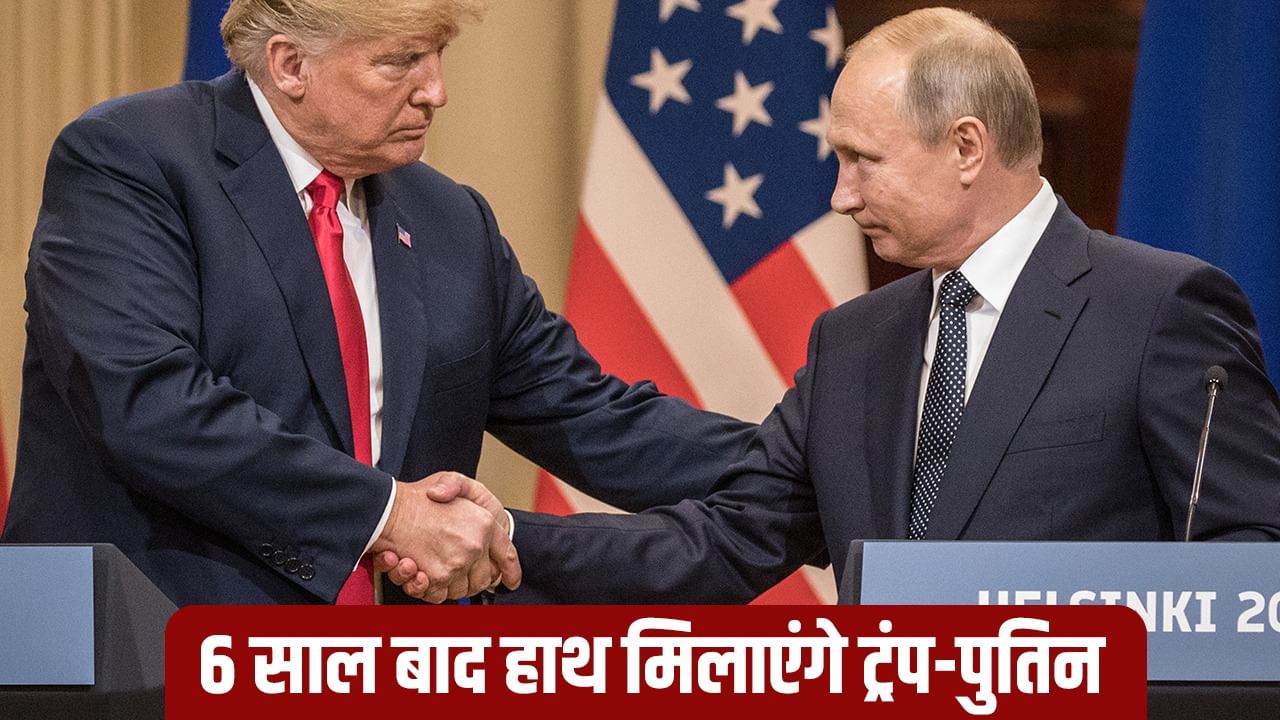
The countdown has begun for the Trump-Putin summit in Alaska, an event poised to shape the future of Ukraine and Europe. This meeting involves four key players: former U.S. President Donald Trump, seeking to halt the war and potentially earn a Nobel Peace Prize; Russian President Vladimir Putin, aiming to counter NATO expansion; Ukrainian President Volodymyr Zelensky, fighting to preserve Ukraine’s sovereignty; and the European Union, which seeks to prevent a peace settlement on Putin’s terms.
The Alaska summit will determine whether a ceasefire or a full-scale war ensues. Trump prioritizes a ceasefire, leading to the proposal of a new West Bank-style model for Europe.
This model, mirroring the situation in the Israeli-occupied West Bank, would involve Russia maintaining control over territories won in the conflict, without formally annexing them. This plan, devised by Trump’s special envoy, Steve Witkoff, will be presented to Putin. The summit won’t address border demarcations, but will propose Russian control over occupied Ukrainian land, even as the land remains Ukrainian on paper. Trump’s strategy seeks to avoid altering Ukraine’s map while also avoiding halting Russia’s expansion.
The proposed West Bank model involves the following:
* Ukrainian territory remaining under Ukrainian sovereignty.
* Unchanged Ukrainian borders.
* Russian control over the occupied territories.
* Deployment of Russian military forces.
* Establishment of a civil administration.
* Russian control over mineral resources.
Trump’s plan aims to end the current conflict. However, questions remain about whether Ukraine or Europe will accept this arrangement, especially considering the potential consequences. The implementation of a West Bank model in Ukraine could lead to prolonged armed conflict in eastern Ukraine, increased militant activities, instability in neighboring Baltic countries, and unrest in various European nations. Therefore, European nations are likely to oppose the West Bank model. If Trump and Putin agree on this model, the only option for Europe may be a large-scale war.
The potential for a large-scale war looms if the West Bank plan is implemented. The ‘Coalition of the Willing,’ comprising 33 nations, may oppose Trump’s plan, potentially escalating aid to Ukraine and leading European countries to enter the war against Russia, increasing the risk of a global conflict. Some believe that Trump’s peace efforts could ironically trigger a major war.
Trump, motivated by a desire for a Nobel Peace Prize, views a ceasefire as essential and aims to secure it, including offering Putin a deal involving a share of Alaskan resources. The proposal, prepared by Treasury Secretary Scott Baesant, involves offering Russia access to Alaska’s mineral wealth, including rare earth minerals, renewable energy minerals, and those essential for the defense sector, along with significant deposits at the Bokan Mountain, Ray Mountain, and Windy Fork regions.
Trump is prepared to offer minerals, land, and financial incentives to Putin. Additional steps include the easing of U.S. sanctions against Russia. In anticipation of the summit, the U.S. Treasury Department has already lifted restrictions on Russia’s international financial transactions, specifically for transactions related to Putin’s travel to Alaska. As Putin’s plane prepares for departure, the question remains: Will Trump’s proposal lead to a ceasefire, or will it ignite a larger conflict?