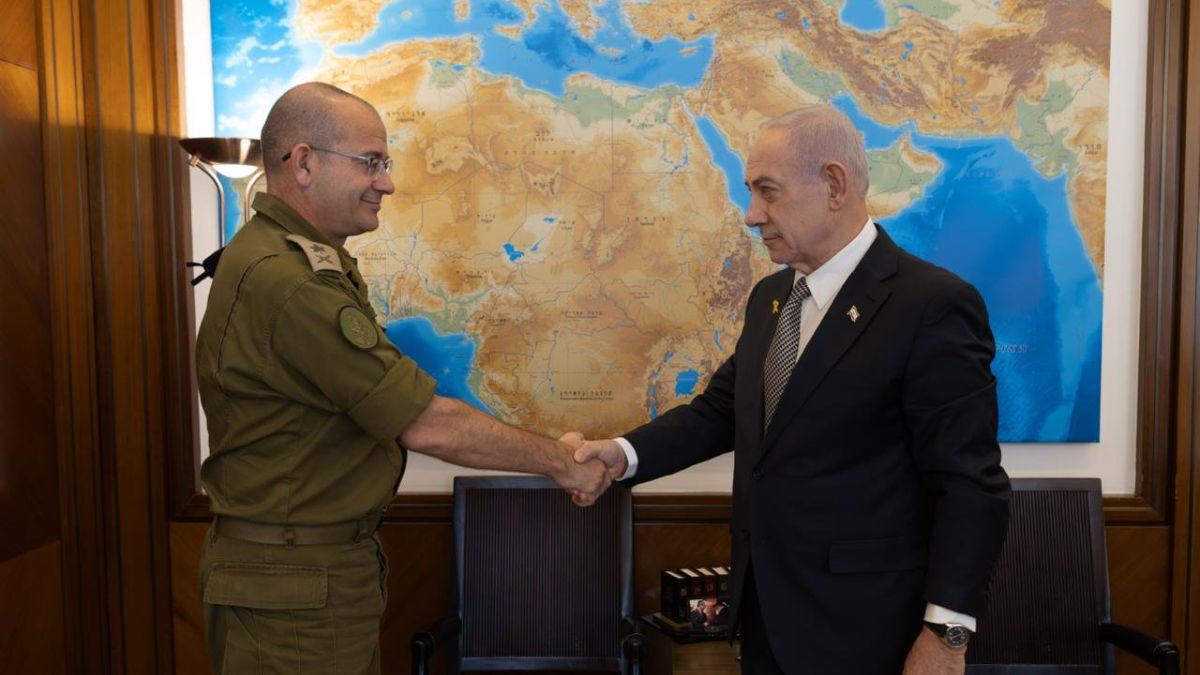




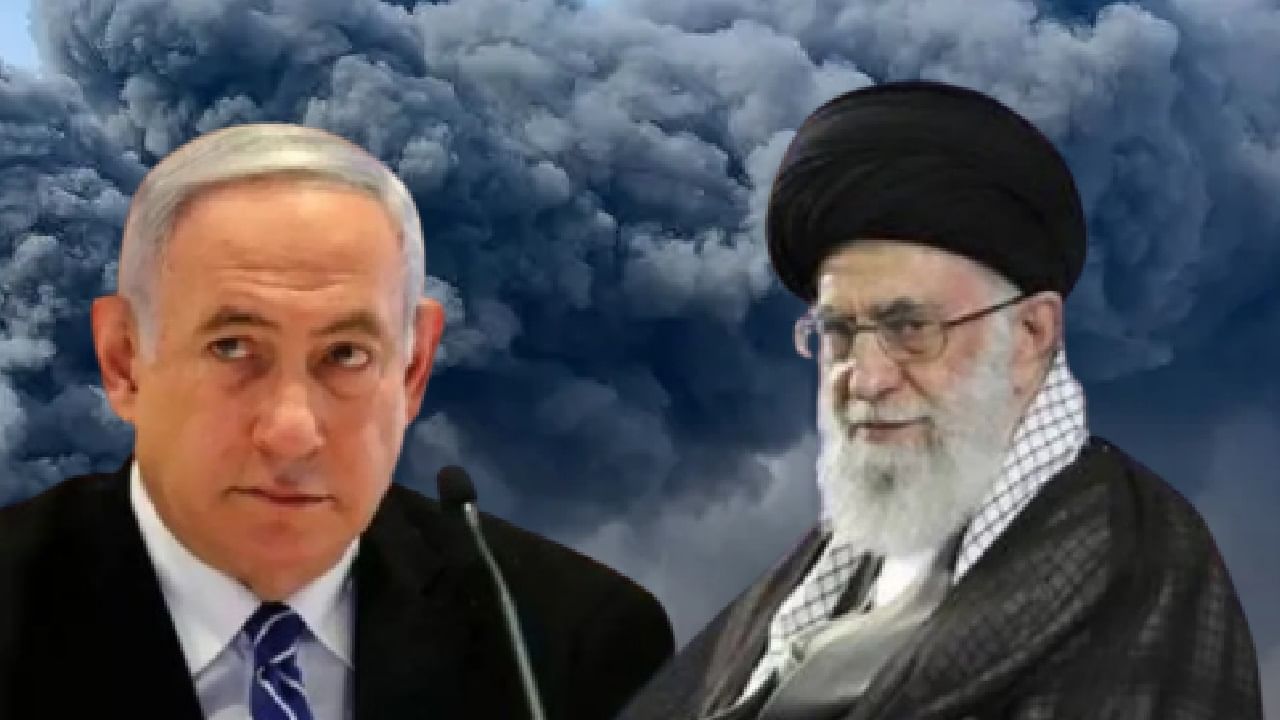
Following Israeli Prime Minister Benjamin Netanyahu’s recent statements regarding a ‘Greater Israel,’ 31 Arab and Islamic nations have taken a strong stance. These nations, including Saudi Arabia, Turkey, and Pakistan, have collectively condemned Netanyahu’s remarks, viewing them as a direct threat to Arab security, regional sovereignty, and global peace.
The joint statement was endorsed by the Arab League, the Organisation of Islamic Cooperation (OIC), and the Gulf Cooperation Council (GCC). However, a notable absence in this unified front was Iran. Despite being a staunch supporter of Palestine, Iran did not participate in the joint declaration.
The joint statement accused Netanyahu’s vision of Greater Israel of disregarding international law and diplomatic norms while attempting to destabilize the world. The statement explicitly identified Israel’s perceived racist and extremist ideology as a major threat to regional peace. The foreign ministers declared that Israel’s sovereignty over occupied Palestinian territories is unacceptable. They appealed to the international community, particularly the United States and the permanent members of the Security Council, to pressure Israel to halt its actions and withdraw its forces from Gaza.
During a recent interview, Netanyahu expressed his deep connection to the concept of Greater Israel, a term that reflects Israel’s expansionist views. This ideology encompasses areas beyond Israel’s current borders that are considered part of its historical or religious domain, including East Jerusalem, the West Bank, the Gaza Strip, the Sinai Peninsula, and the Golan Heights. This ideology has been a long-standing point of contention. Many Arab nations and the international community view it as an expansionist and destabilizing policy.
The absence of Iran from this unified condemnation of Israel has raised questions, especially given the participation of nations like Saudi Arabia, Egypt, Qatar, the UAE, Turkey, Pakistan, and Indonesia. Analysts suggest that Arab nations are seeking to isolate Israel through collective diplomatic pressure, while Iran may be pursuing a different strategy, possibly favoring direct confrontation. As a result, Iran was notably absent from this collective action. This joint statement from 31 nations delivers a significant blow to Israel, but Iran’s absence highlights that the Muslim world is not entirely united on the Palestinian issue.