


India is focusing on rare earth materials crucial for electric vehicles and defense equipment. The nation currently relies heavily on imports for these materials. A recent report by the consulting firm Primus Partners, titled ‘From Extraction to Innovation,’ outlines how India can increase domestic production of rare earth magnets. This initiative aligns with the government’s goal of reducing import dependency and promoting domestic development and production.
The report suggests five key steps to advance India’s rare earth magnet sector. The first recommendation is to provide long-term price guarantees for neodymium-praseodymium (NdPr) oxide and NdFeB magnets to encourage investment and production by companies. Second, it proposes establishing pilot hubs in mineral-rich states to foster production and research. Third, there’s a need to rapidly increase the production capacity of Indian Rare Earths Limited (IREL) to strengthen domestic supply. Fourth, the establishment of a National Magnet Stockpile is suggested to meet future demand. Finally, a central cell under NITI Aayog or the Department for Promotion of Industry and Internal Trade (DPIIT) should be created to oversee and coordinate these plans.
The government has taken some concrete steps in the past couple of years. The 2024-25 budget removed customs duties on several important minerals. Moreover, the Rare Earth Permanent Magnet (REPM) plant of IREL began operations in Visakhapatnam last year. This plant, built at a cost of approximately 197 crore rupees, has a capacity of 3,000 kilograms annually.
China currently dominates rare earth magnet production, holding nearly 90% of the global market share. This means the world’s supply is dependent on Beijing’s policies and export restrictions. While India possesses mineral reserves, its capacity to find, extract, and process them is still limited. Exploration work has commenced in Jammu and Kashmir, Rajasthan, Jharkhand, and Karnataka.
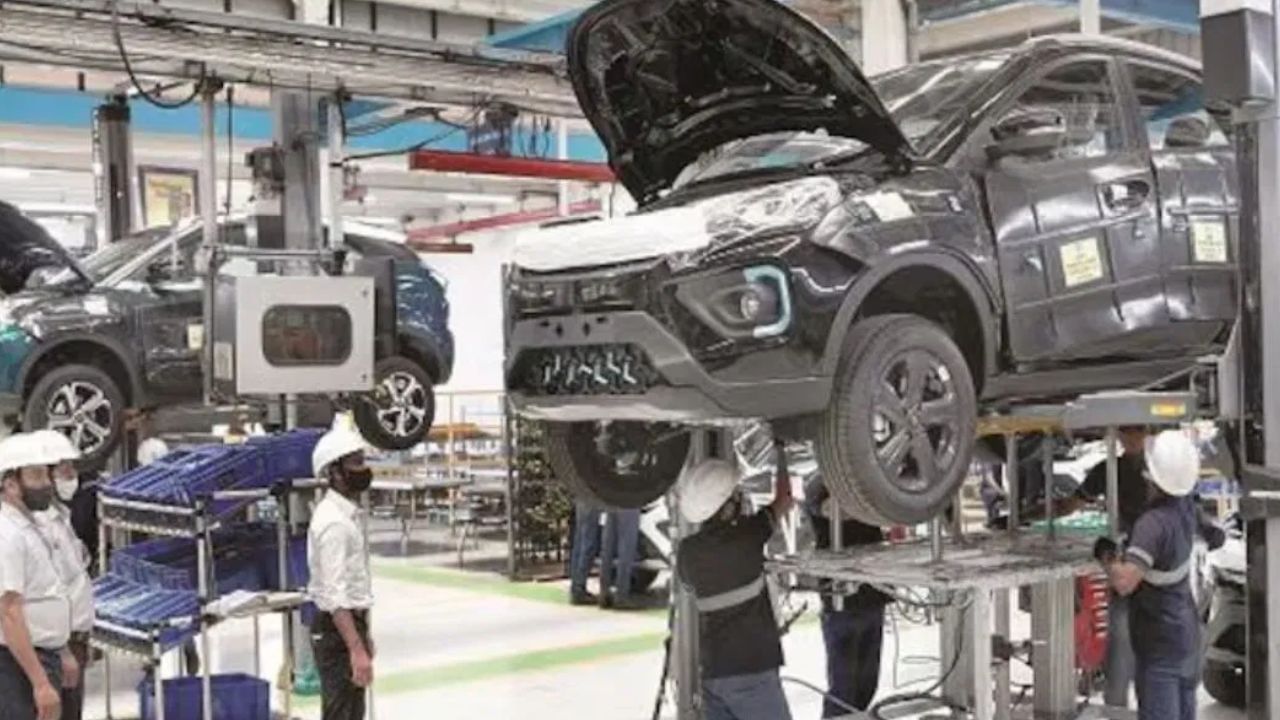
India has set targets of 30% electric vehicle penetration by 2030 and net-zero emissions by 2070. Each electric vehicle requires approximately 2 kg of NdFeB magnets. According to media reports, India’s demand could exceed 7,000 tons by 2030, and this demand isn’t limited to EVs; renewable energy, automation, and the defense sector are also competing for these materials.