.jpeg "Featured Image")



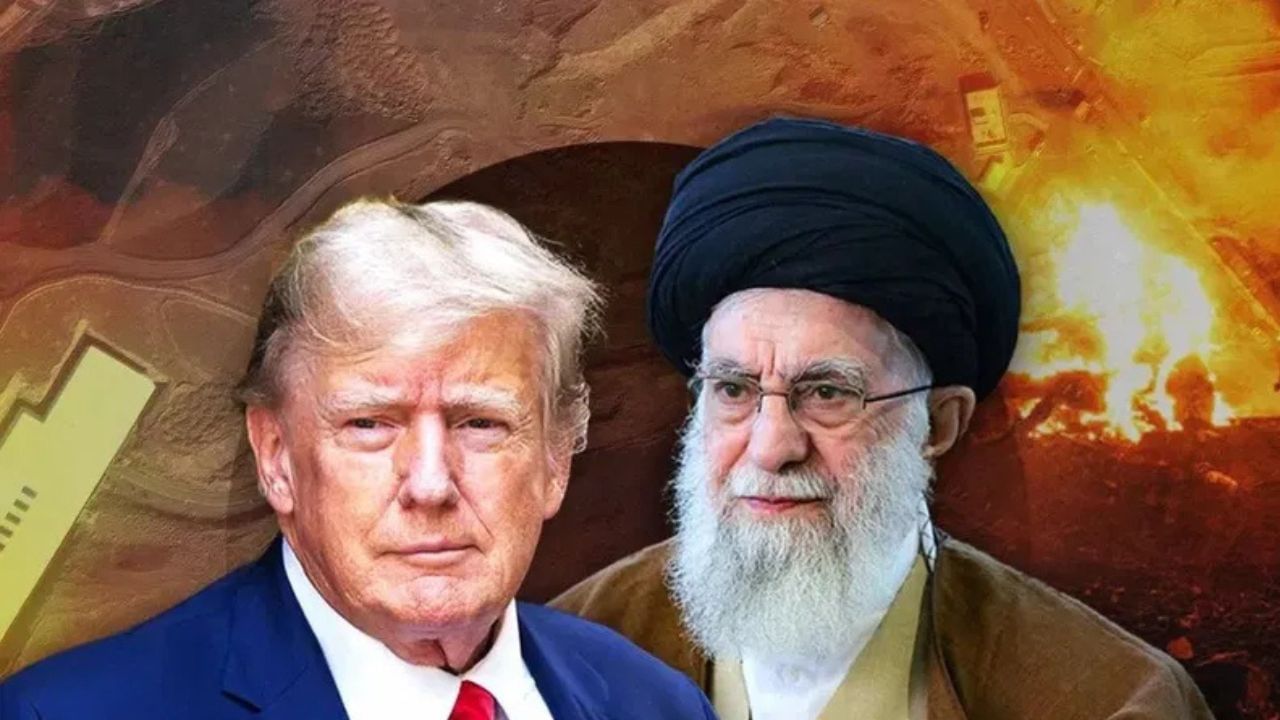
Following a 12-day conflict between Iran and Israel in June, concerns linger about the possibility of renewed attacks against Iran by Israel and the United States. The US continues to pressure Iran to halt its nuclear program, but Iran has affirmed its commitment to continuing uranium enrichment. This has led to threats of further attacks from both the US and Israel. However, a senior cleric close to Supreme Leader Ali Khamenei has revealed what he perceives as the US’s constraints preventing another military conflict.
Ali Saeedi, a senior cleric from Khamenei’s office, stated on Friday that Washington lacks the capacity to initiate another military conflict against Iran and is restricted by the risk of escalating energy prices. “Today, there is talk about the start of another war, but it seems that the enemy does not have the capacity to attack again and is afraid of Iran’s strength. Americans are also afraid of the possibility of $150 per barrel oil and cannot tolerate such a situation,” Saeedi said.
He also indicated that while there is currently no immediate threat of attack, the armed forces should remain vigilant and strengthen their communications. This statement came a day after Ali Larijani, the Secretary of Iran’s Supreme National Security Council, suggested that talks with the US might be possible, provided they are directed toward a genuine solution.
If a major war is initiated against Iran, it could escalate oil prices worldwide. During the 12-day conflict, Iran threatened to close the Strait of Hormuz, through which approximately 20% of the world’s oil is transported. Closing the Strait could cause global oil prices to skyrocket. Furthermore, Iran is a major producer of oil and gas.
Larijani, speaking to Al-Mayadeen in Lebanon, stated, “If the US realizes that it cannot defeat Iran through war and then wants to negotiate, we will respond positively. But if they negotiate to prepare for the next war, it will not benefit us.”
France, the United Kingdom, and Germany have separately warned Iran that they will reimpose UN sanctions if Tehran does not restart nuclear talks and produce concrete results by the end of August. Previous talks under the Trump administration failed after Israel launched military attacks on June 13th. On the ninth day of the conflict, the US bombed three Iranian nuclear facilities, which former US President Donald Trump claimed had ended the nuclear program.
With nuclear talks yet to resume, discussions of renewed conflict are circulating. Iran is preparing, along with Israel and the US. However, Iran has consistently maintained that its nuclear program is for civilian purposes and that it has no intention of building a bomb.