




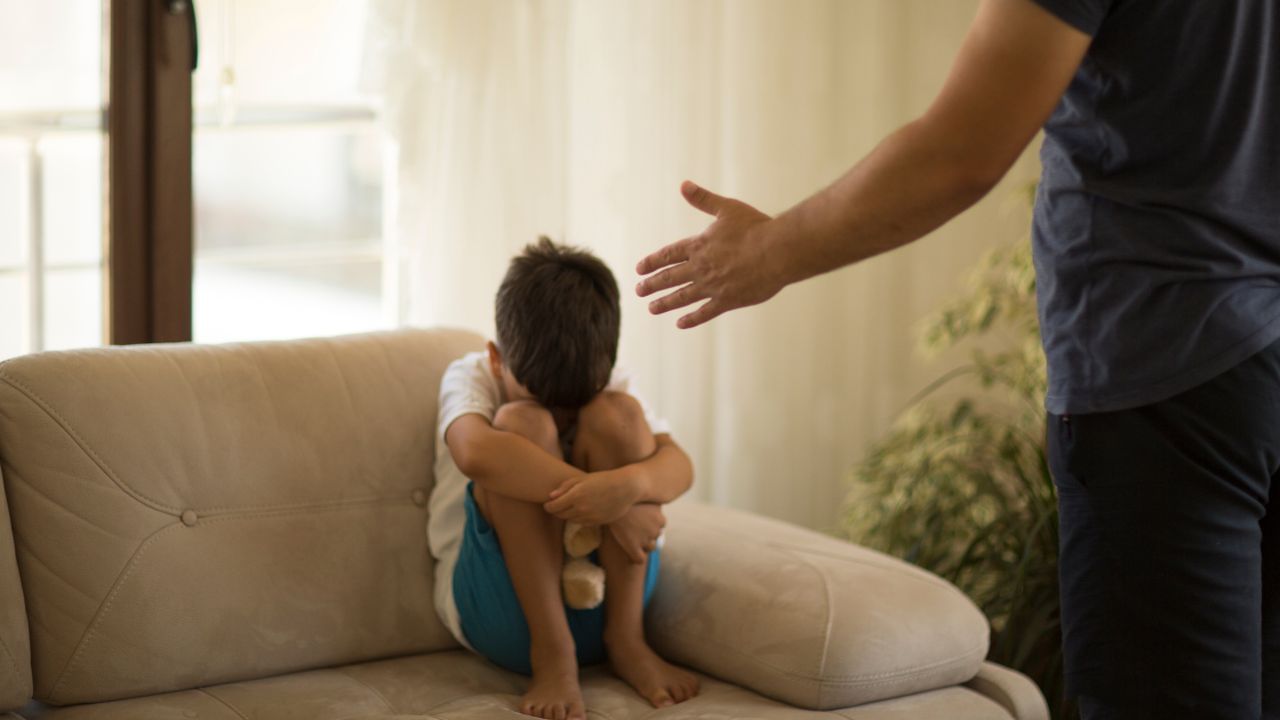
The World Health Organization (WHO) has declared corporal punishment a global public health concern. The WHO recognizes that hitting or scolding children for their mistakes causes severe damage to their physical and mental health, and can also lead to criminal behavior.
The WHO conducted a survey in 49 low- and middle-income countries, finding that children who were exposed to corporal punishment—those who were hit or given a punishment intended to cause some degree of pain or discomfort, no matter how mild—had a 24 percent lower chance of development compared to children who were not exposed to corporal punishment. Globally, an average of 1.2 billion children are subjected to physical punishment every year. The report states that 17 percent of all children who were victims of physical punishment in the last month were severely punished, such as by being hit on the head, face, or ears, or by being hit hard and repeatedly.
Parents, teachers, and child care providers often resort to these methods, citing their desire to correct their children’s behavior and maintain discipline. They may believe that hitting children is an expression of love, aimed at preventing them from going astray. However, the evidence suggests this is not the case.
According to the WHO, there is now clear scientific evidence that physical punishment poses a number of risks to children’s health. It does not benefit children’s behavior, development, or well-being, nor does it benefit parents or society. Clinical psychologists suggest that physical punishment tends to exacerbate anger and stubbornness in children. Thus, physical punishment is not the correct approach.
Instead of physical punishment, alternative methods are advised, including logical conversations, where the child is lovingly explained why their behavior is wrong and what its consequences might be, and praising good behavior, where children are rewarded and encouraged for positive actions, encouraging them to repeat such behavior.
The United Nations’ Sustainable Development Agenda 2030 calls for ending violence against children in several of its goals, with Goal 16.2 explicitly stating that “abuse, exploitation, trafficking and all forms of violence and torture against children must end.” However, this goal remains unmet even five years later.
While physical punishment is prevalent around the world and across different cultures, there are regional variations. For example, approximately 41 percent of children in Europe and Central Asia are physically punished at home, while the figure is 75 percent in the Middle East and North Africa. The disparity is even greater in schools, with only 25 percent of children in the Western Pacific region experiencing physical punishment during their schooling, compared to over 70 percent in Africa and Central America. Both girls and boys experience it at similar rates, though girls may face different forms or methods of punishment in some places.
The report also highlights that children with disabilities are at a higher risk of physical punishment. Additionally, physical punishment is more likely to occur in poor communities and communities facing economic or racial discrimination.
Physical punishment is often associated with psychological punishment, which includes belittling, shaming, and intimidating the child. In many societies, physical punishment is not considered wrong, and it is also linked to religious and cultural traditions.
Currently, 68 out of 193 countries have completely banned physical punishment. Sweden was the first country to do so in 1979. In the UK, it is prohibited in Scotland and Wales, but still permitted in domestic settings in England and Northern Ireland.
The report suggests that to prevent physical punishment, alongside implementing laws, awareness-raising campaigns should be launched. It is possible to explain to parents that physical punishment has a negative impact on children’s minds and hearts, and by showing them new ways of teaching with love and understanding, they can be helped. Children learn by example, so if parents want their children to behave well, they should first model that behavior themselves. The report shows that if parents knew about other, more effective methods of disciplining children, they would use them.