



A new debate has emerged in Madhya Pradesh concerning the intersection of politics and cultural narratives. The state government is preparing to launch a special campaign aimed at reinterpreting a popular mythological concept within Hinduism. This time, the controversy centers on the traditional portrayal of Lord Krishna as ‘makhanchor,’ or butter thief, a label the government now seeks to revise. The government’s stance is that the childhood exploits of Shri Krishna were not acts of theft, but rather expressions of protest against injustice.
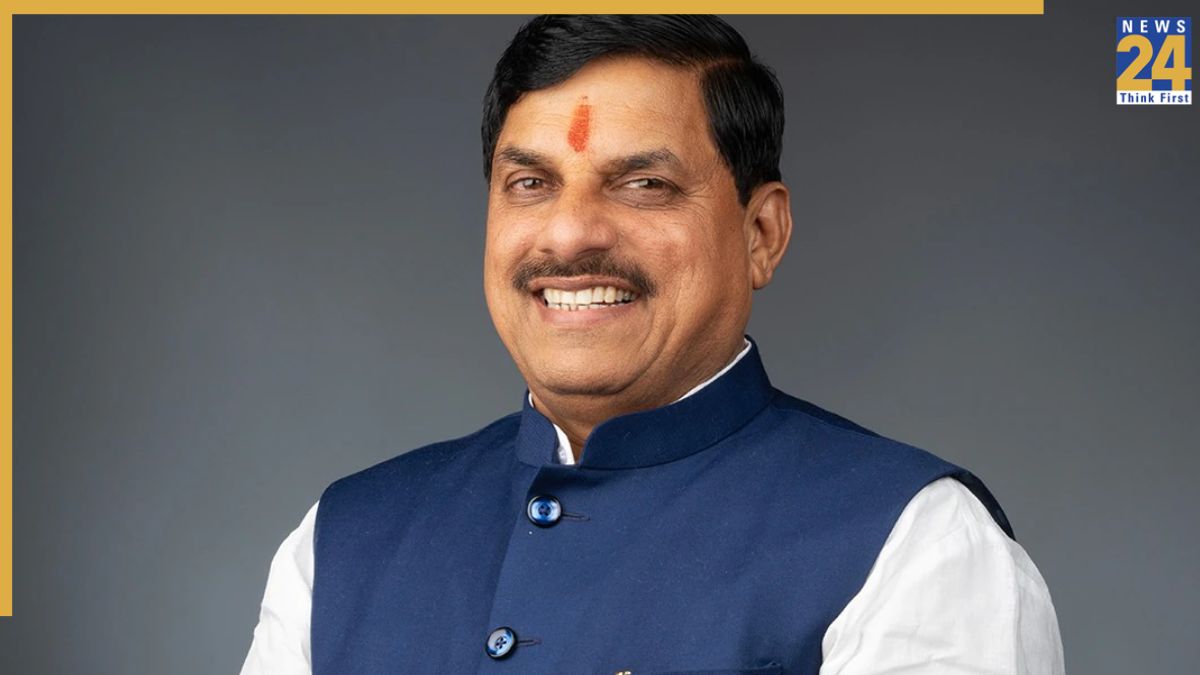
Chief Minister Mohan Yadav has characterized this campaign as a cultural corrective measure, arguing that the narratives surrounding Shri Krishna’s ‘leelas’ (divine plays) have been misrepresented for years. Conversely, the Congress party has strongly criticized the initiative, accusing the government of exploiting mythological stories for political gain. Congress leader Umang Singar accused the government of misrepresenting mythology for political motives and questioned the government’s legitimacy.
The Madhya Pradesh government is set to announce a campaign urging people to refrain from referring to Lord Krishna as ‘makhanchor,’ emphasizing that his childhood actions were not theft but acts of resistance against injustice. Chief Minister Mohan Yadav explained that the butter was taken as a symbolic gesture of protest, not theft, and that Shri Krishna wanted his cowherd friends to eat the butter and break the pot to protest against Kansa’s policies. The campaign has been entrusted to the state’s culture department. Cultural advisor Shriram Tiwai indicated that the public would be educated on the subject, and that the term ‘makhanchor’ would be dropped.