



The Shehbaz Sharif government in Pakistan has made a decision that has angered the opposition and human rights activists. The government has passed the Anti-Terrorism Amendment Bill. Under this bill, the army and security agencies have been given the freedom to detain any person for three months without trial.
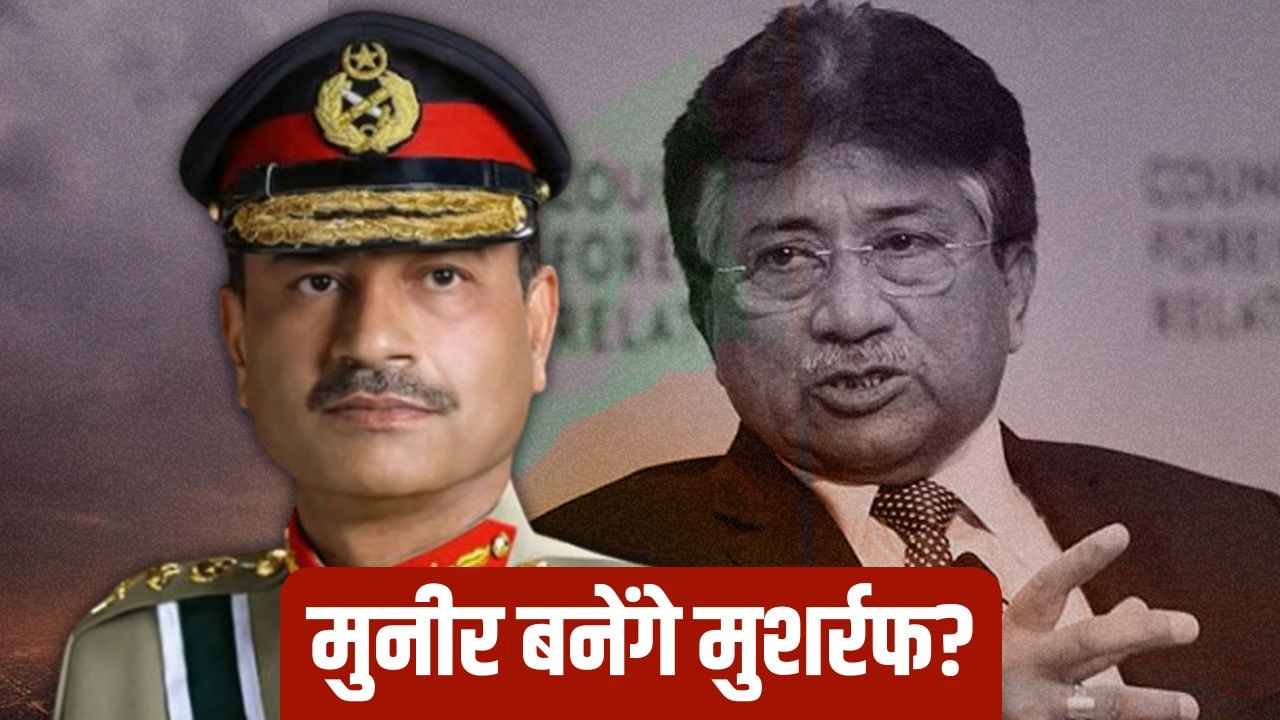
Critics say that this step is directly pushing Pakistan back towards dictatorship and paving the way for the current Army Chief General Asim Munir, similar to General Pervez Musharraf.
What is the new law?
The new amendment re-implements the provision of the old Anti-Terrorism Act 2014, which was abolished in 2016. Under this provision, any person can be preventively detained for three months based on suspicion or intelligence reports. According to the law, the arrest order can be issued by the government, army, or paramilitary forces. After this, a Joint Interrogation Team (JIT) will investigate the case, which will include police, intelligence agencies, and army officers. A special thing is that this provision will be in force for three years and then the Parliament can extend it further.
Anger of the opposition and critics
The Chairman of PTI (Pakistan Tehreek-e-Insaf), Barrister Gohar Ali Khan, has called this law an attack on human rights. He says that jailing someone for three months solely on the basis of suspicion, without presenting them in court, is not democracy but dictatorship. Human rights activists also say that this law will not actually be used against terrorists, but to suppress the government’s opponents and those who dissent.
What is the argument of the Shehbaz government?
Law Minister Azam Nazeer Tarar says that this law will be used only in special circumstances. According to him, there must be a solid reason for arrest. The arrested person will be presented before a magistrate within 24 hours. This provision is not for permanent use, but for a limited time. But human rights organizations are furious and are questioning whether the army will comply with all these conditions in a country like Pakistan, where the army and agencies have always had a dominant attitude?
Munir and the threat of dictatorship
In 1999, Pervez Musharraf overthrew the elected government of Nawaz Sharif through a military coup. He suspended the constitution and imposed an emergency. He implemented policies and suppressed the opposition through military force. Later, the Supreme Court declared his actions illegal and found him guilty of high treason.
That is, Musharraf directly chose the path of dictatorship by breaking the democratic system. Asim Munir is already considered the most powerful person in Pakistan’s politics at the moment. Now, this new law passed by the Parliament has made him even more powerful. Critics say that the real purpose is not to fight terrorism but to strengthen the hold on power.