.jpeg "Featured Image")



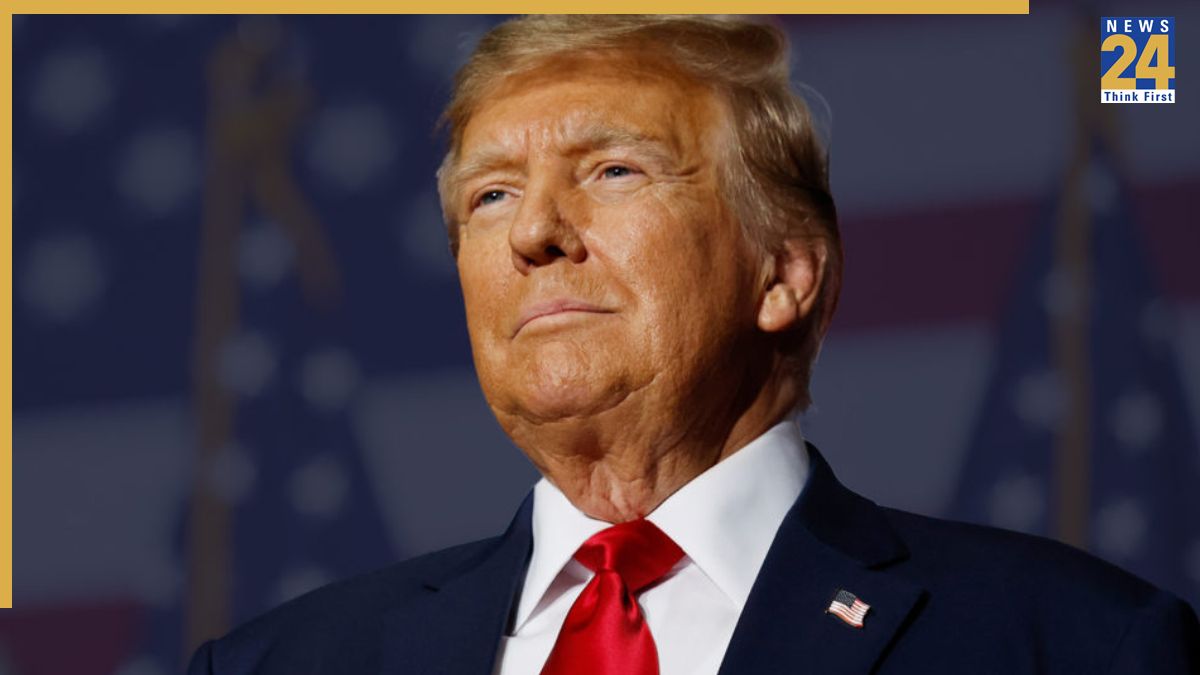
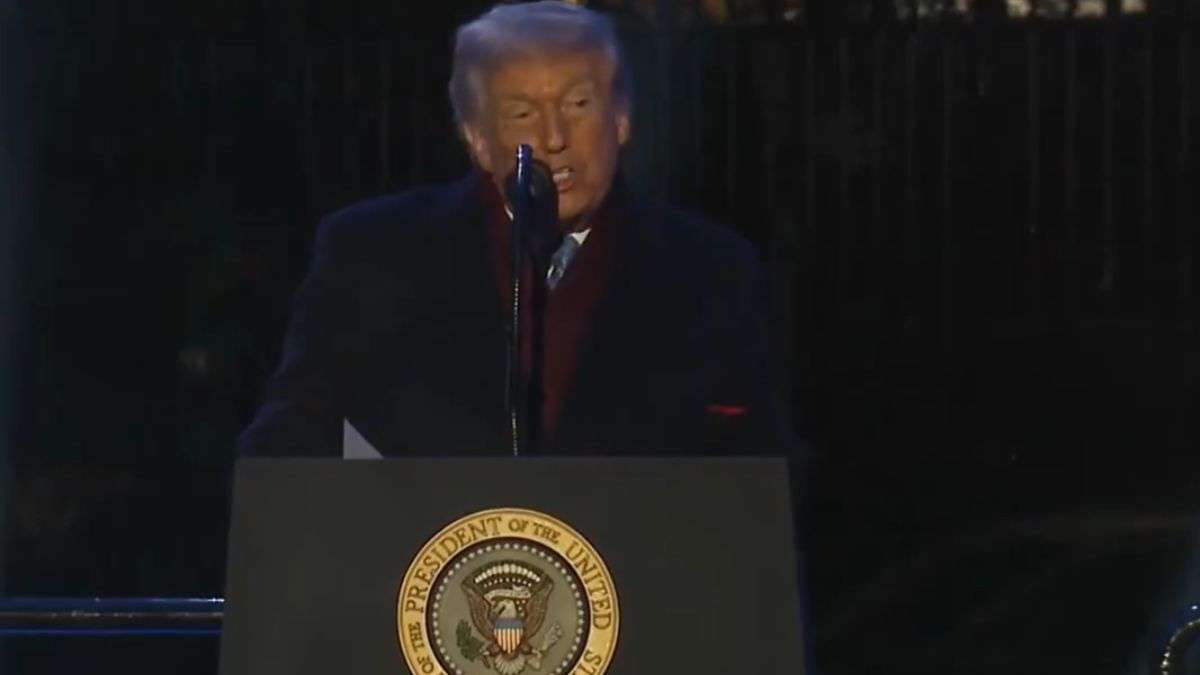
During a bilateral meeting with South Korean President Lee Jae-myung, former US President Donald Trump stated the United States will maintain a positive relationship with China. He asserted he would avoid actions that could damage the country. Trump mentioned the US holds significant advantages, but he is unwilling to use them because it could be detrimental to China. Earlier in the month, he signed an executive order modifying reciprocal tariff rates, citing ongoing discussions with China. This measure was taken due to concerns about trade reciprocity and national security, referencing the Constitution and several US laws, including the International Emergency Economic Powers Act and the National Emergencies Act. The order builds on Executive Order 14257, which cited persistent US trade deficits as a threat, imposing certain duties. Subsequent orders in April 2025, Executive Orders 14259 and 14266, increased tariff rates on PRC imports after Beijing announced retaliatory measures. In May 2025, through Executive Order 14298, Trump suspended the additional duties for 90 days, replacing them with a revised rate, which was set to expire on August 12, 2025. The new order extends this suspension until November 10, 2025, due to China’s steps toward addressing trade and security concerns. The order specifies that certain tariff measures will remain suspended. The Secretary of Commerce, the Secretary of Homeland Security, and the United States Trade Representative, along with other officials, have been directed to implement the order. Trump emphasized the measure should be implemented in accordance with the law and is not intended to create any legal rights.