



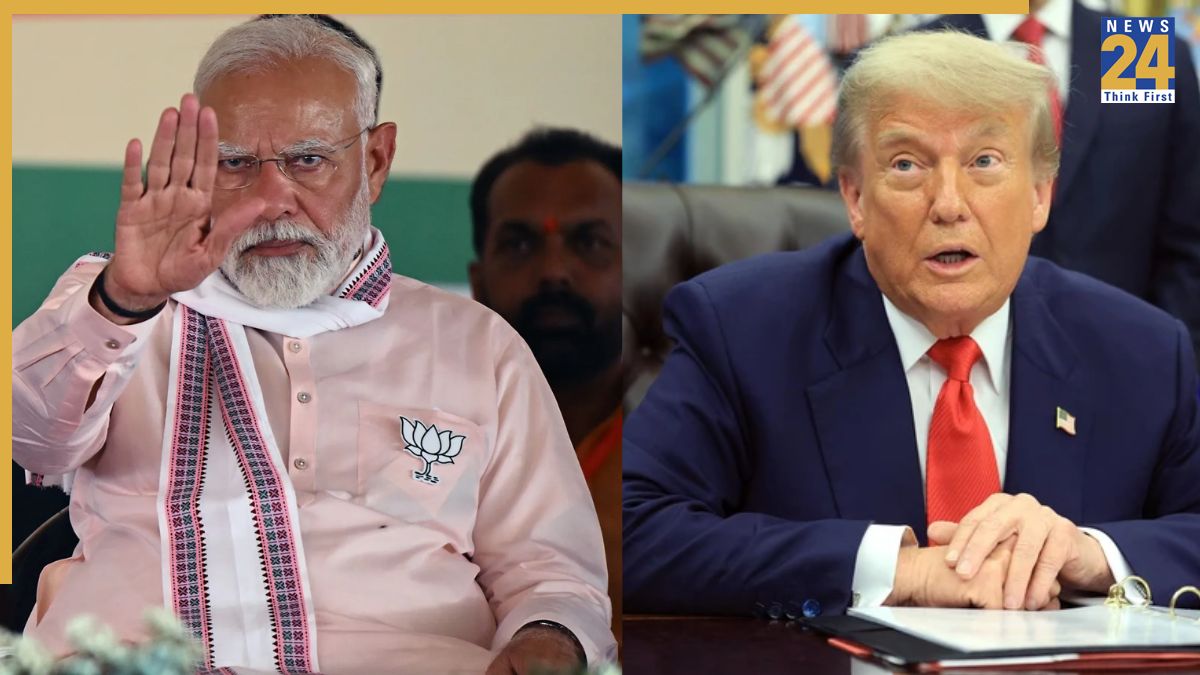
The United States is set to implement revised tariffs on Indian goods, beginning after 12:01 a.m. on August 27. A public notice has announced an additional 25 percent tariff on Indian products. These increased levies will apply to Indian goods entering the U.S. market for consumption or withdrawn from warehouses after the specified time. The US claims this hike is a penalty for India’s continued purchase of Russian oil, which the US alleges funds Moscow’s actions in Ukraine. India strongly refutes this charge.
Executive Order 14329, issued on August 6, 2025, states that the tariffs are necessary to address a national emergency related to India’s import of Russian oil. The order emphasizes that imposing tariffs, in addition to other measures, will effectively tackle this national emergency.
The tariffs will take effect at 12:01 AM Eastern Daylight Time (EDT) on August 27. This translates to 9:31 AM Indian Standard Time (IST) on the same day. The 50% tariffs will apply in India starting at 9:31 AM IST.
The US is a crucial market for Indian exports, representing about one-fifth of India’s foreign sales. The 50% duty could make Indian goods more expensive, potentially making them less competitive than those from countries like Vietnam, Bangladesh, and Mexico. The gems and jewellery industry has already seen a halt in shipments, impacting employment. Auto parts, medicines, and electronics are also under pressure. Seafood exporters, particularly shrimp exporters, face potential losses. In FY24, India exported $86.5 billion worth of goods to the US, approximately 20% of its total exports. The think tank GTRI estimates that India’s exports to the US might fall significantly, potentially reducing foreign exchange earnings.
To address these economic challenges, a high-level meeting is scheduled at the Prime Minister’s Office on August 26, 2025, led by Principal Secretary P.K. Mishra. Senior officials from the Commerce Ministry, NITI Aayog, and export councils will discuss strategies to mitigate the impact on India’s nearly $87 billion exports to the US, focusing on labor-intensive sectors. The discussions will center on providing targeted support to small and medium enterprises instead of broad subsidies, considering exporters’ requests for an Emergency Credit Line Guarantee Scheme.