



The sub-4 meter SUV segment is experiencing intense competition, with numerous new launches anticipated in the coming years. These upcoming models include both electric vehicles (EVs) and those with internal combustion engines (ICE). Several models are already undergoing testing, while others have been teased prior to their official debuts.
Scheduled for an October 2025 launch, the next-generation Hyundai Venue (codenamed QU2i) is currently undergoing testing in India. This new Venue will replace the current model, which has been on sale since 2019 and received a facelift in 2022. Spy shots suggest a larger infotainment display, similar to that in the Hyundai Creta. The engine lineup is expected to remain the same, although the prices are likely to increase from the current range.
The Kia Syros EV is also in development, with testing taking place in Korea. It appears to share several elements with its ICE counterpart. Built on a reinforced K1 platform, it may have a similar interior layout but will utilize battery packs from the Hyundai Inster. Two battery options are expected – a 42 kWh pack and a 49 kWh Nickel Manganese Cobalt (NMC) pack, potentially offering a range of around 300 km and 355 km, respectively. Prices could be in the ₹14–20 lakh (ex-showroom) range.
Another forthcoming model is the Hyundai Bayon crossover, designed to fit between the Exter and the Venue in Hyundai’s lineup. Based on the i20 platform, it is likely to share its engine options with the i20 hatchback. Reports indicate that the 1.2-litre petrol engine could receive a mild-hybrid technology upgrade, improving both efficiency and performance. The Hyundai Bayon is anticipated to launch within the next year.
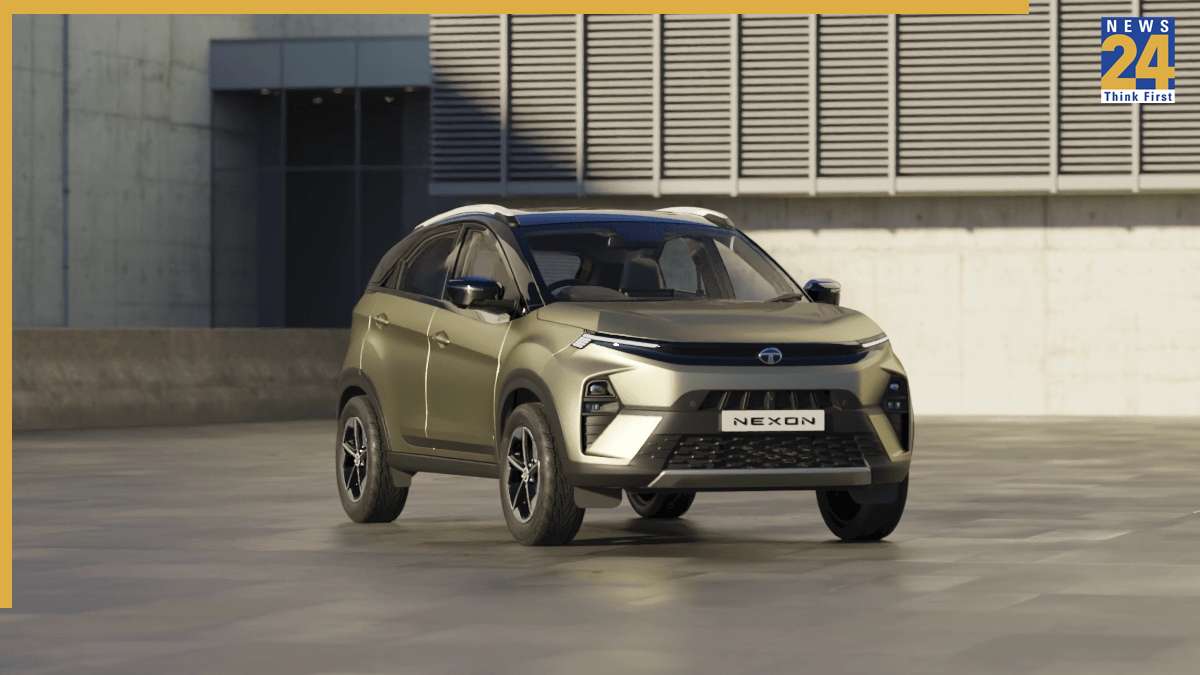
Tata plans to launch the all-new Tata Nexon soon. The SUV, codenamed Garud, is based on the X1 architecture and is expected to launch in 2027. It will feature new design updates similar to other Tata SUVs and will be available in petrol and CNG trims. The availability of existing 1.5L engines or the inclusion of new hybrid technology remains uncertain. If diesel engines are retained, they will be modified to meet BS7 emission standards.
While manufacturers intend to introduce these models within the next year, some launches could be postponed due to factors such as shortages of rare-earth metals and supply chain challenges.
Although Toyota has not released any specific details about the launch of a next-generation Toyota Fortuner, market expectations suggest the possibility of its introduction. Toyota might equip the vehicle with modern features like a head-up display, ADAS technology, and ventilated seats. Styling elements are expected to mirror those of the current-generation Hilux and other vehicles in international markets.