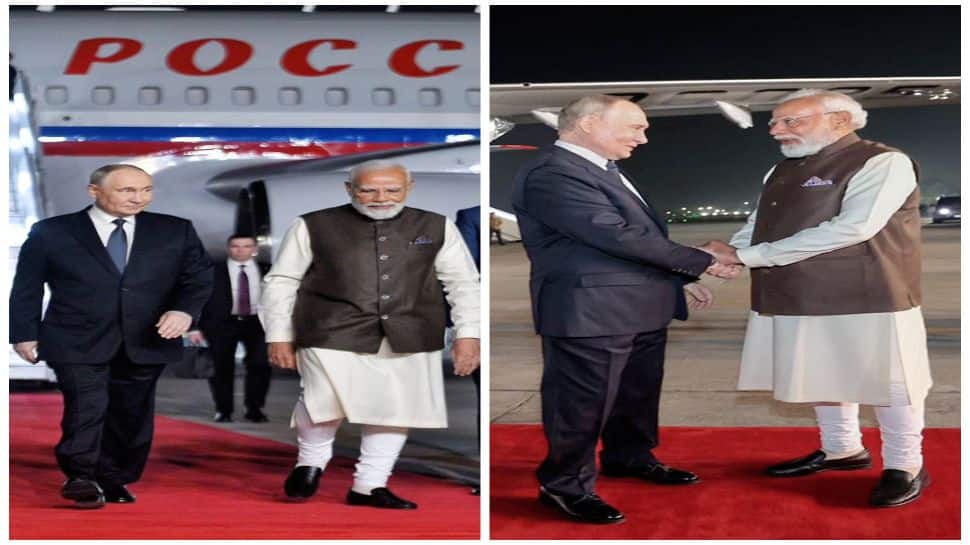


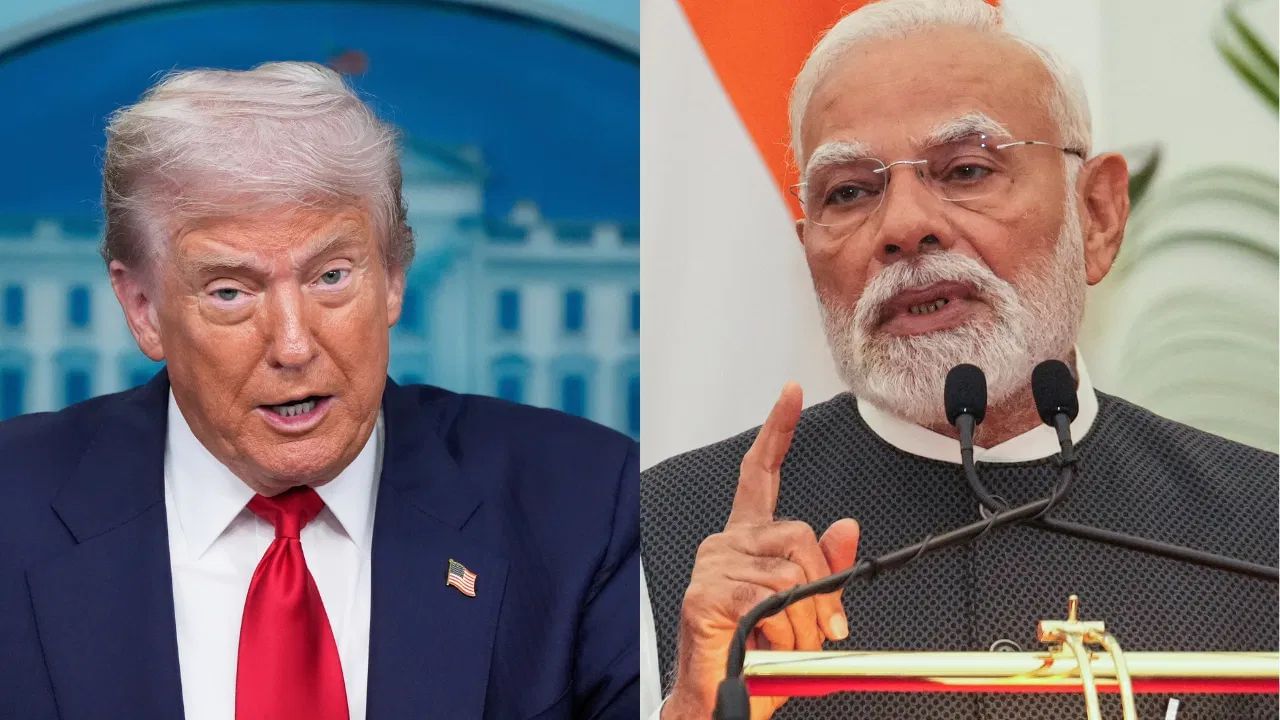
Donald Trump initially stated on September 5th that the United States had lost India and Russia to China. However, his tone shifted dramatically the very next day. Trump expressed that he would always remain a friend of Narendra Modi, describing him as a great Prime Minister, while also expressing displeasure with some of Modi’s recent actions. Trump highlighted the imposition of substantial tariffs on India. This shift in perspective raises questions about the underlying reasons.
One key factor is India’s continued purchase of oil from Russia. The U.S. imposed a 50% tariff on India starting August 27th, including a 25% penalty, due to India’s oil imports from Russia. The U.S. argues that this supports Russia in its ongoing conflict. However, India has chosen not to halt these purchases, citing national interests and their role in stabilizing global oil prices. India’s Finance Minister, Nirmala Sitharaman, affirmed on September 5th that India would continue buying Russian oil, emphasizing India’s autonomy in making such decisions. Foreign Minister S. Jaishankar has also reiterated this stance on multiple occasions.
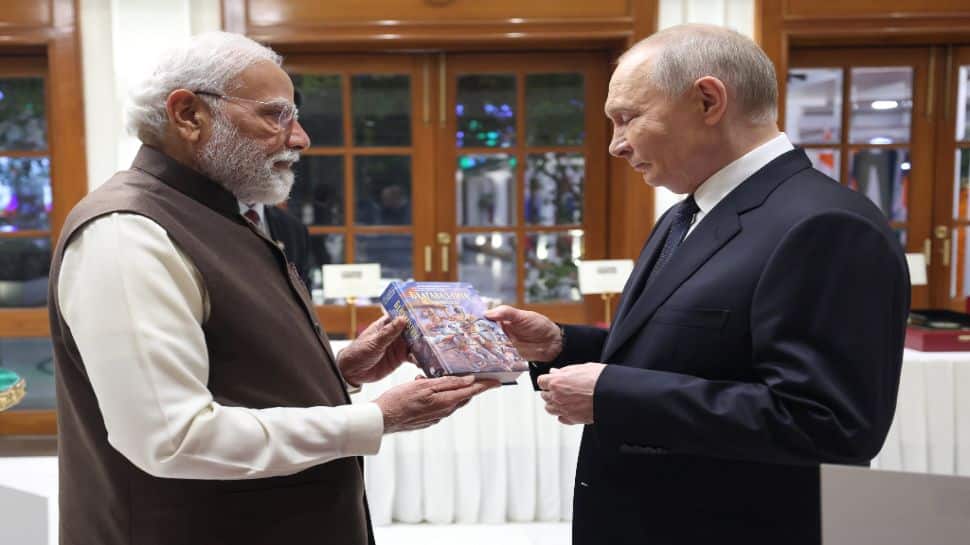
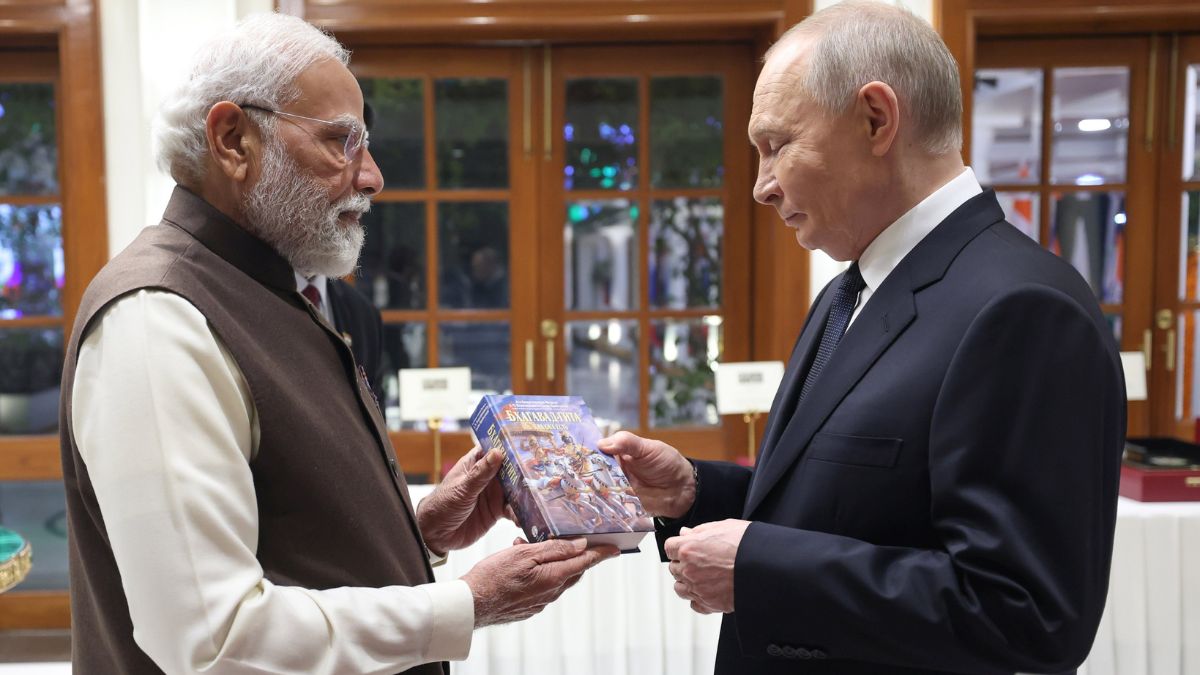
Another contributing factor is India’s growing global presence. Prime Minister Modi’s participation in the Shanghai Cooperation Organisation (SCO) summit in Tianjin on August 31st, where he held bilateral talks with Chinese President Xi Jinping and Russian President Vladimir Putin, demonstrated India’s active role in multilateral forums. This sent a message to the U.S. about India’s firm and independent stance.
The unresolved bilateral trade agreement (BTA) between India and the U.S. is also a point of contention. The U.S. has been pressing India to open its market for American farming and dairy products, but India has rejected the U.S. demands for reduced tariffs on agricultural goods, prioritizing domestic farmers’ interests.
Furthermore, India’s participation in the BRICS summit scheduled for September 8th, where discussions will include strategies for navigating U.S. tariffs, also plays a role. The U.S. has imposed similar tariffs on Brazil, the current BRICS chair. This summit brings together countries like India, China, Russia, South Africa, Indonesia, Iran, and the United Arab Emirates.
Adding to the complexity, there has been a display of disapproval towards Trump within the U.S. regarding these matters. Trump’s trade advisor, Peter Navarro, referred to the Russia-Ukraine conflict as Modi’s war on August 28th and accused India of money laundering for the Kremlin. These comments drew criticism from the Hindu community in the U.S. Former National Security Advisor Jake Sullivan also criticized Trump’s tariffs as a major strategic setback for U.S. interests, emphasizing the importance of strong U.S.-India relations. India has made it clear that it will not be dictated by the U.S. or any other country regarding its foreign policy. This has signaled to the U.S. and other Western nations that India is now assuming the role of a power balancer.