



India’s automotive market is experiencing rapid growth, fueled by intense competition that encourages automakers to innovate. Several brands, including Tata, Hyundai, and Kia, are preparing for a series of launches in the coming months. These releases include both redesigned models and entirely new vehicles, all aiming to make a mark in the increasingly competitive SUV segment.
Some of the most anticipated upcoming cars include:
**New Tata Punch**
Tata Motors is set to refresh its popular micro-SUV, the Tata Punch. The updated Punch is expected to debut around November. The facelifted model is likely to feature redesigned bumpers, a reworked front fascia, stylish 16-inch alloy wheels, and interior upgrades such as a two-spoke steering wheel and a larger infotainment screen. The engine lineup is expected to remain similar to the Tata Altroz, with a possible diesel option.
**Tata Sierra**
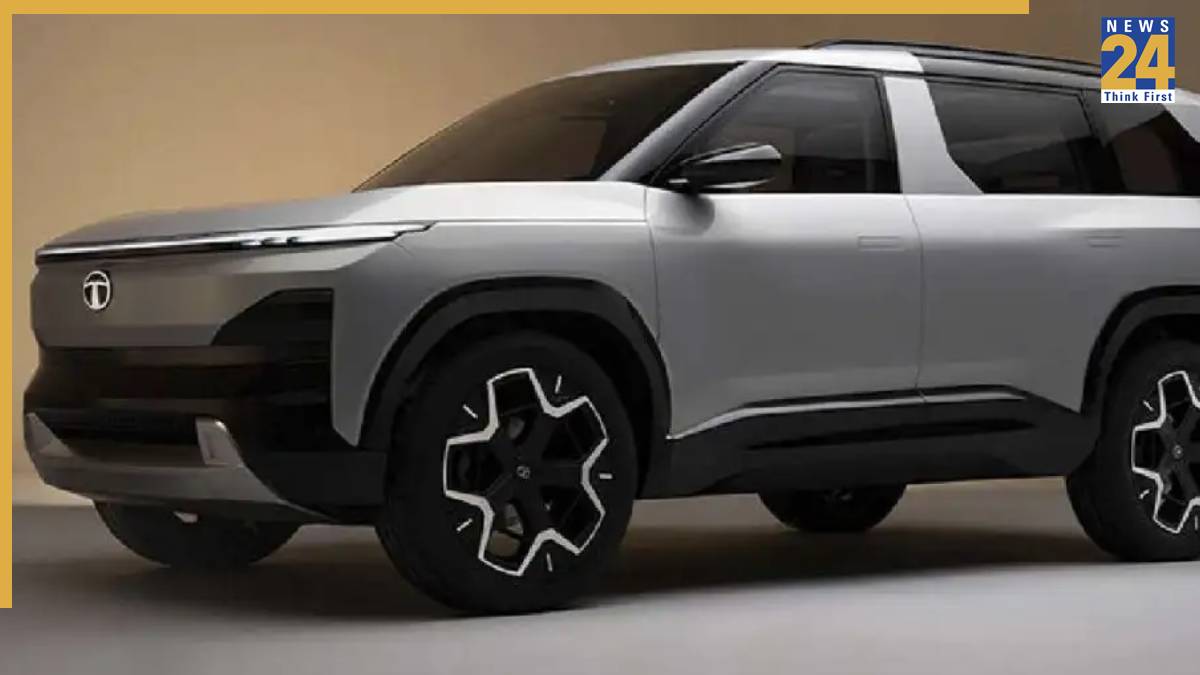
The Tata Sierra is one of the most eagerly awaited comebacks in Indian automotive history. The new Sierra is being carefully developed, with test mules spotted on Indian roads. Key features to anticipate include a bold design inspired by the original Sierra, premium features with a modern four-seater layout, and a 1.5-litre TGDI petrol engine for the ICE version. The Sierra EV is expected to have a segment-first dual-motor AWD setup. The ICE Sierra could launch by December, with the electric variant possibly following in the coming weeks.
**Hyundai Venue**
The next-generation Hyundai Venue, codenamed QU2i, is currently undergoing testing. Expected upgrades include a sleeker exterior design, a larger infotainment display (similar to the Hyundai Creta), and interior refinements. While the engine options are likely to remain the same, a price increase from the current ₹7.94 lakh – ₹13.62 lakh (ex-showroom) range is anticipated.
**Kia Syros EV**
The Kia Syros EV, spotted testing in Korea, is a promising addition to Kia’s electric lineup. Built on a reinforced K1 platform, it is expected to combine familiar design elements with modern EV technology. Key highlights include a cabin layout similar to the ICE variant, two battery options (42 kWh and 49 kWh Nickel Manganese Cobalt (NMC)), and estimated ranges of 300 km (42 kWh) and 355 km (49 kWh). The expected price range is ₹14–20 lakh (ex-showroom).
**Hyundai Bayon**
The Hyundai Bayon, positioned between the Exter and the Venue, will be a compact crossover based on the i20 platform. Designed for urban versatility, it will likely share mechanical components with the i20 hatchback. Expected features include a 1.2-litre petrol engine and potential mild-hybrid technology to improve fuel efficiency and performance. The Bayon aims to fill the gap in Hyundai’s lineup between small SUVs and premium hatchbacks.