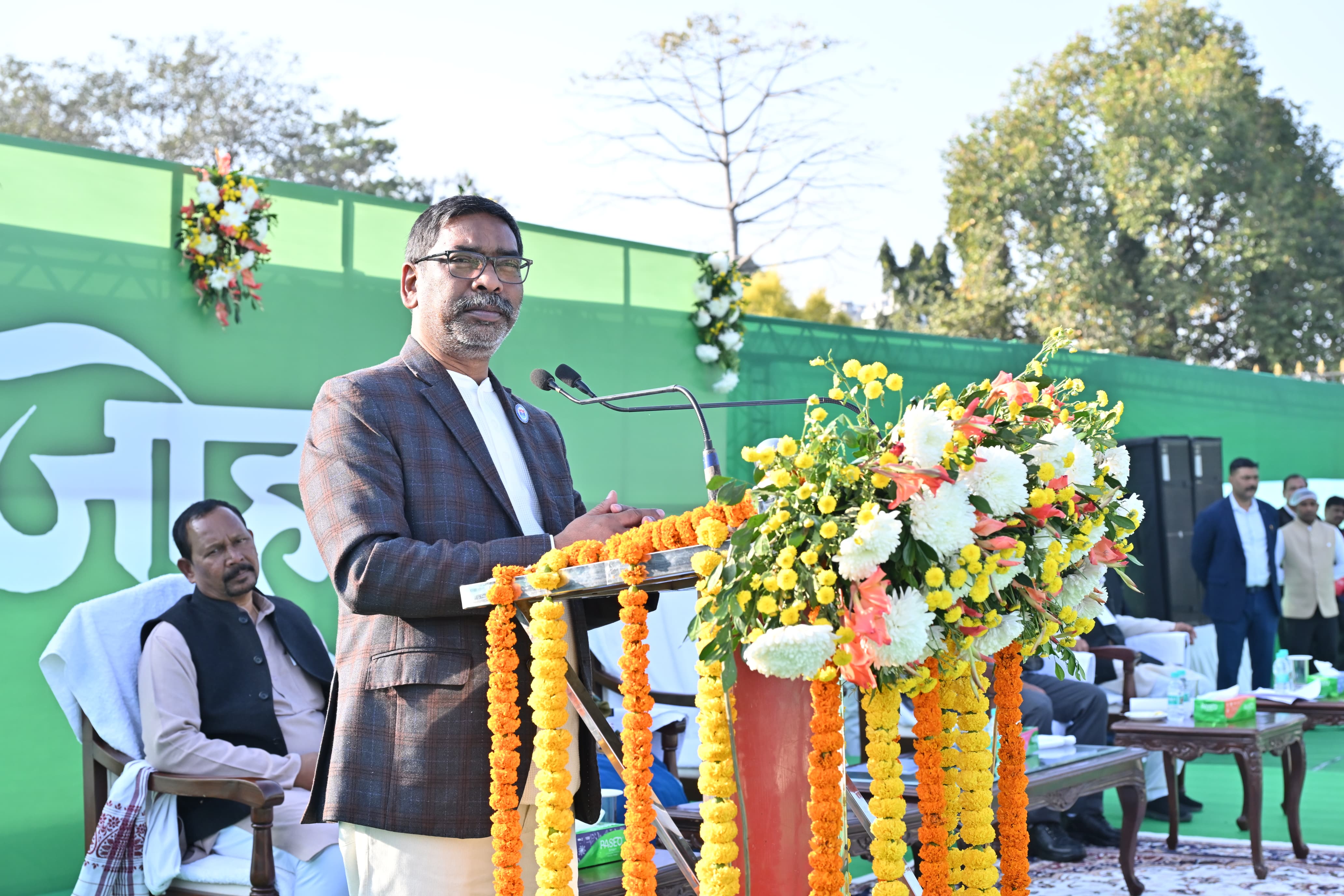





Political tensions have resurfaced in Jharkhand concerning the Panchayats (Extension to Scheduled Areas) Act, 1996, also known as the PESA Act. The Bharatiya Janata Party (BJP) has criticized Chief Minister Hemant Soren over the Act. Former Jharkhand Chief Minister Champai Soren has accused the Hemant Soren government of injustice towards the tribal community.
Champai Soren alleged that the government is insensitive to the tribal community and lacks the intention to implement the PESA Act. PESA is designed for tribal areas in India, aiming to provide the community with greater rights and self-governance. The Act intends to extend the rules of the Panchayati Raj system to scheduled areas, which are predominantly inhabited by tribal communities. The Act was created after the 73rd Constitutional Amendment, which established Panchayati Raj institutions across the country, excluded these areas. The main goal of PESA is to empower tribal communities with self-governance through Gram Sabhas, enabling them to manage their resources and affairs.
The Act seeks to empower tribal communities to manage their resources, including forests, land, and water. It also gives Gram Sabhas the authority to plan, manage resources, and resolve local disputes. PESA also emphasizes respecting traditional customs and participating in development plans.
Ten states in India have implemented PESA, including Andhra Pradesh, Chhattisgarh, Gujarat, Himachal Pradesh, Jharkhand, Madhya Pradesh, Maharashtra, Odisha, Rajasthan, and Telangana. However, the Act has not been implemented in Odisha and Jharkhand, while the other eight states have enforced it.
The BJP is now targeting the Hemant Soren government regarding the PESA Act. Addressing the Adivasi Maha Darbar, Champai Soren stated that he had reviewed the PESA Act during his tenure and incorporated special provisions to financially empower Gram Sabhas, but the current government does not intend to implement it. He also mentioned that on August 24, International Tribal Day, he announced the commencement of farming in Nagri, Ranchi, and challenged the government to stop him. Despite attempts to prevent his supporters, they were successful in tilling the land where the government planned to build the RIMS-II project.
Champai Soren has called upon the tribal community to unite and fight for their traditions, identity, and culture, similar to the efforts of their ancestors. He criticized the Hemant Soren government, alleging that it does not want to strengthen the tribal self-governance system but rather wants to confine them to “Abua-Abua”, limiting their voices to avoid questions. He highlighted the issue of Daanpatra, a document allegedly used to usurp tribal land by circumventing laws like the Chota Nagpur and Santhal Pargana Tenancy Acts. Champai Soren has also warned that a major tribal meeting will be held on December 22 in Bhognadih, Dumka, to strategize the recovery of tribal land taken through Daanpatra.