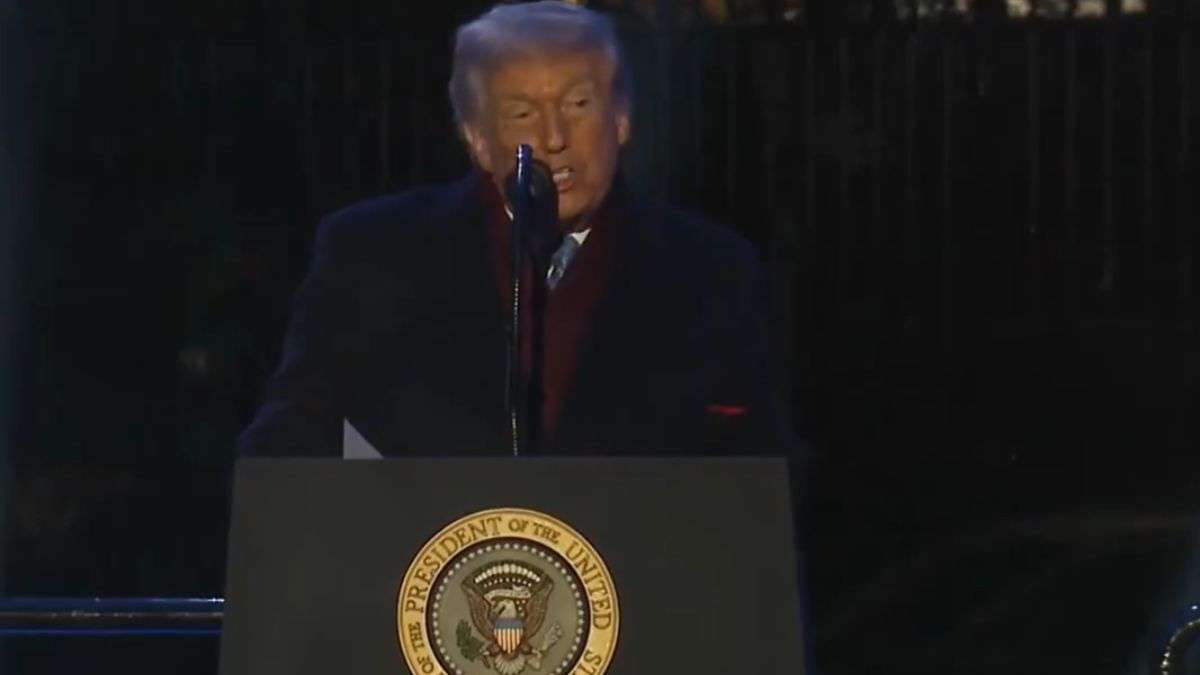




Political tensions in the United States have escalated following President Donald Trump’s decision to label Antifa a “major terrorist organization.” This declaration, made via social media, also included a call for investigations into those who fund the movement. This announcement coincided with the murder of conservative activist Charlie Kirk, further intensifying existing ideological divisions.
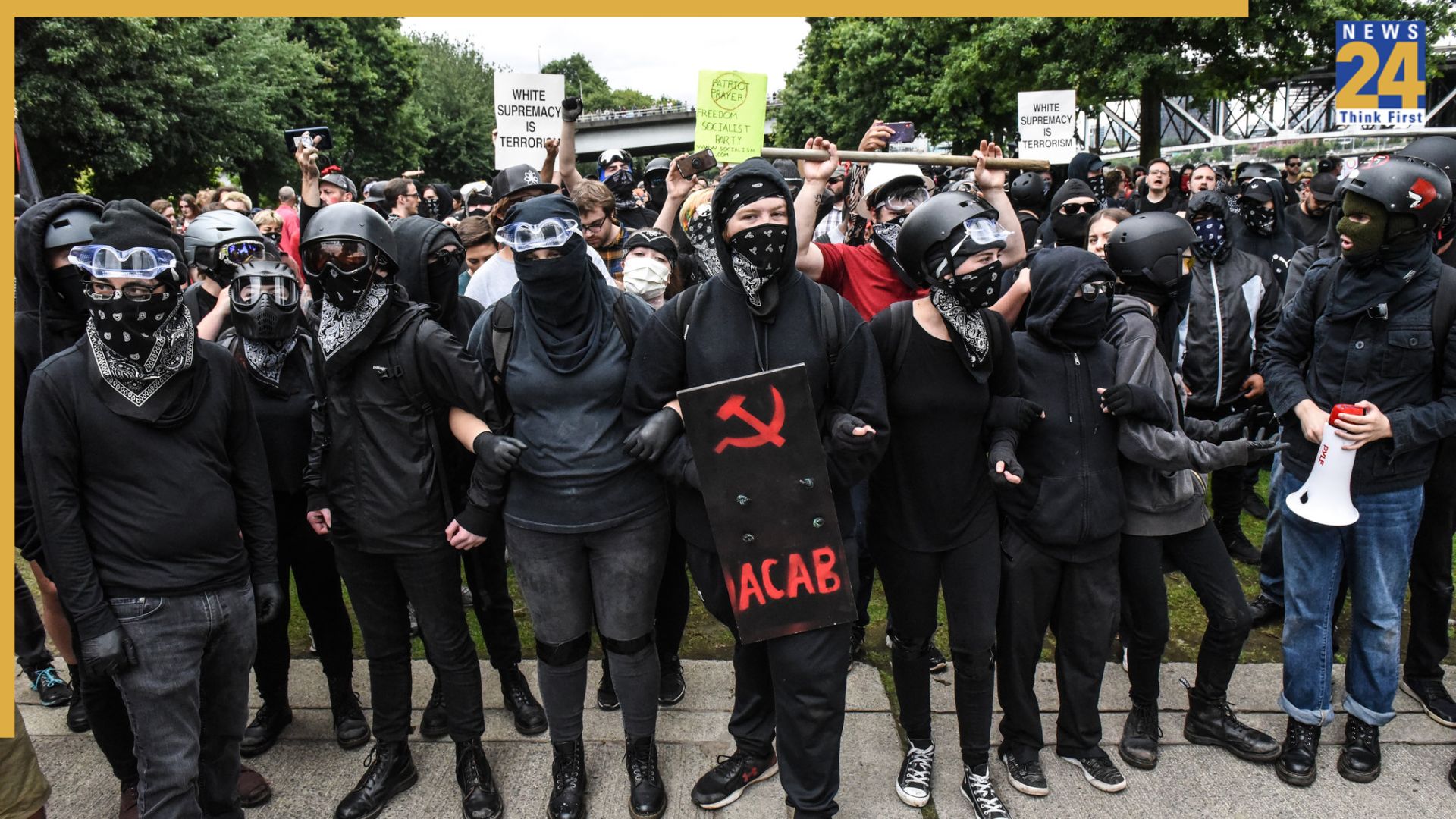
Antifa, which stands for “anti-fascist,” is a decentralized collection of activists and militants dedicated to opposing fascism, racism, nationalist ideology, white supremacy, and right-wing politics. Despite media portrayals, Antifa is not a centrally organized group but rather a network of independent units with no single leader. Its members predominantly adhere to left-wing ideologies, often embracing anarchist or communist perspectives.
The origins of Antifa are rooted in historical movements that resisted authoritarianism and white nationalism. Today, the movement actively combats right-wing extremism, authoritarian tendencies, homophobia, anti-immigration stances, and racism. Many Antifa supporters also reject capitalism and are critical of prevailing governmental systems.
Antifa gained significant public attention during the Black Lives Matter protests that began in 2020 after the police killing of George Floyd. While the majority of these protests were peaceful, incidents of violence, vandalism, and looting were observed in some locations. Consequently, Antifa has been repeatedly blamed by politicians and the media for these violent acts.
As a non-formal organization, Antifa operates as a broad ideological movement with diverse individuals and groups acting independently. Their coordination typically takes place through social media platforms or encrypted chat applications. President Trump’s move, made amidst heightened national tensions due to the murder of Charlie Kirk, could further exacerbate political divisions.