.jpeg "Featured Image")



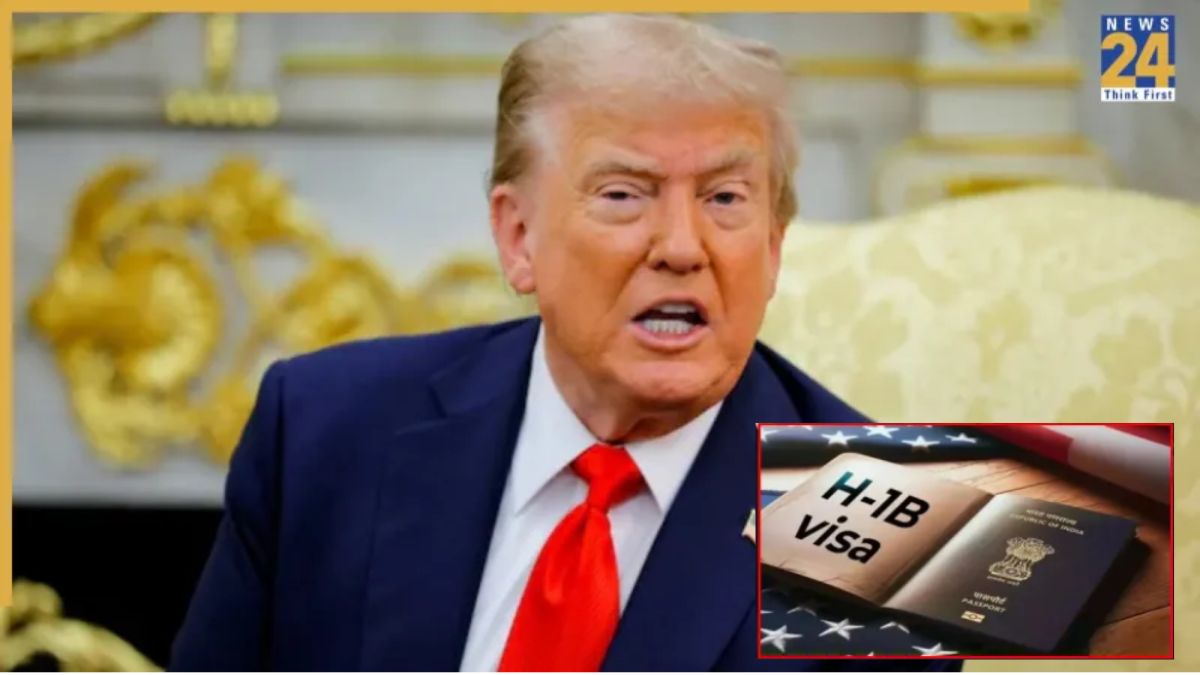
A recent executive order signed by US President Donald Trump imposes a $100,000 annual application fee for H-1B visas. This measure is anticipated to affect numerous skilled foreign workers, who constitute a significant portion of the workforce in the United States.
The new H-1B Visa rule mandates that those applying after the announcement must pay the $100,000 annual fee, including for new petitions supplementing existing ones. Employers are required to provide proof of payment, and failure to do so may result in the Department of Homeland Security (DHS) rejecting the petition. This rule applies to all H-1B visa applicants from outside the US, with exceptions considered only in cases of national interest.
The H-1B program, initially designed to attract highly skilled international workers for specialized technical roles, has been under scrutiny. It significantly impacts Indian IT professionals, who represent a large segment of beneficiaries. Historically, Indian IT service companies, such as TCS, Infosys, and Wipro, have utilized H-1B visas to bring in and train junior and mid-level developers.
Indians seeking or holding H-1B Visas need to understand the key points of the new executive order.
Key Implications for Indian Applicants:
* The new fee is expected to severely affect Indian workers, who have accounted for a substantial portion of approved H-1B applications in recent years.
* Two primary groups are likely to benefit: Indians graduating from American universities (Master’s/PhD degrees) and those employed by major US-based tech companies.
* The $100,000 fee represents a significant increase from prior fees.
* Applicants are expected to possess high skills and be irreplaceable by US workers.
* Smaller firms and outsourcing consultancies are anticipated to reduce or eliminate H-1B filings.
* The fee structure may heighten financial burdens and potentially limit job prospects for Indian students and recent graduates aiming to work in the US.