


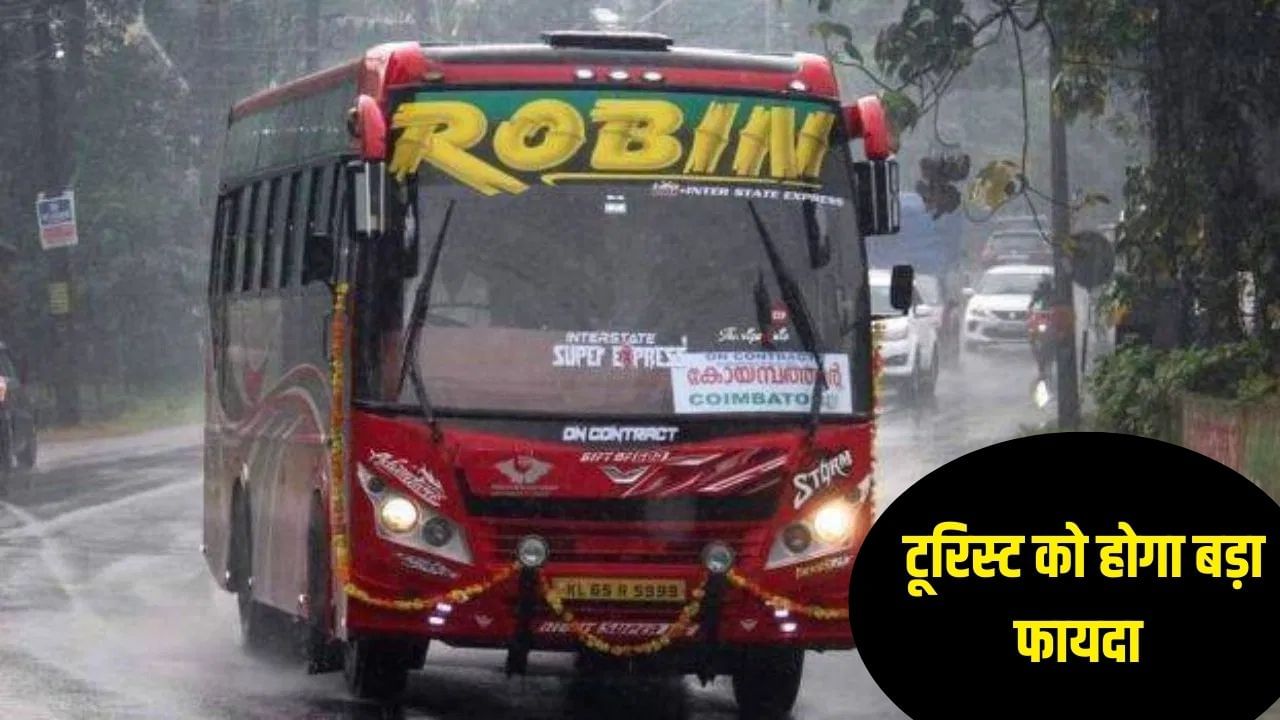
The Ministry of Road Transport and Highways (MoRTH) is proposing changes to the All India Tourist Vehicle (Permit) Rules 2023. According to the new draft, tourist vehicles will not be allowed to stay outside their home state (where they are registered) for more than 45 days. This will be monitored through a vehicle tracking system. Additionally, the validity of tourist vehicle permits is suggested to be extended from 12 years to 15 years.
These changes are aimed at preventing the misuse of permits, ensuring full toll tax recovery, and enhancing passenger safety.
Key highlights of the new rules include:
* Vehicles must begin and end each journey in their home state.
* Vehicles will not be allowed to stay outside their home state for more than 45 days. This will be monitored by a command and control center.
* Tourist vehicles will be prohibited from operating like stage carriages (local bus services). This means picking up or dropping off passengers not listed in the manifest will be forbidden.
* Every vehicle must be equipped with a location tracking device and an emergency button.
* Operators must ensure that no challans older than 30 days are pending.
* Payment of outstanding toll dues will be mandatory even without FASTag, which is required for new permits or renewals.
The application process for all-India tourist permits will now have to be submitted to the transport authority of the state where the vehicle is registered. The applicant must provide their address, Aadhaar/company ID/GSTIN, vehicle fitness, insurance and tax validity details, and information about seating and sleeper capacity.
Several states offer low tax and registration fees. For instance, in Nagaland, the low cost of vehicle registration has led to a large number of tourist buses being registered there, even if they don’t operate in Nagaland. In 2025, Nagaland issued 1.36 lakh national tourist permits, which is significantly more than Kerala (14,573), Himachal Pradesh (36,704), Telangana (44,044), Madhya Pradesh (50,501), Punjab (79,614), and Karnataka (95,549). Only Haryana (2.93 lakh), Rajasthan (2.59 lakh), Uttar Pradesh (2.20 lakh), and Maharashtra (1.65 lakh) issued more permits than Nagaland.
In 2017, the Arunachal Pradesh government canceled the registrations and permits of all tourist buses that did not operate there. Now, only 293 permits have been issued there.
The draft rules are open for suggestions and objections for 30 days. Interested individuals can send their suggestions to the Additional Secretary (MVL), Ministry of Road Transport and Highways, Transport Bhavan, Parliament Street, New Delhi-110001, or via email.
If these new rules are implemented, there will be greater transparency, security, and better control in the operation of tourist vehicles. Simultaneously, it will also curb the tax losses incurred by states and strengthen accountability for the safety of tourists.