


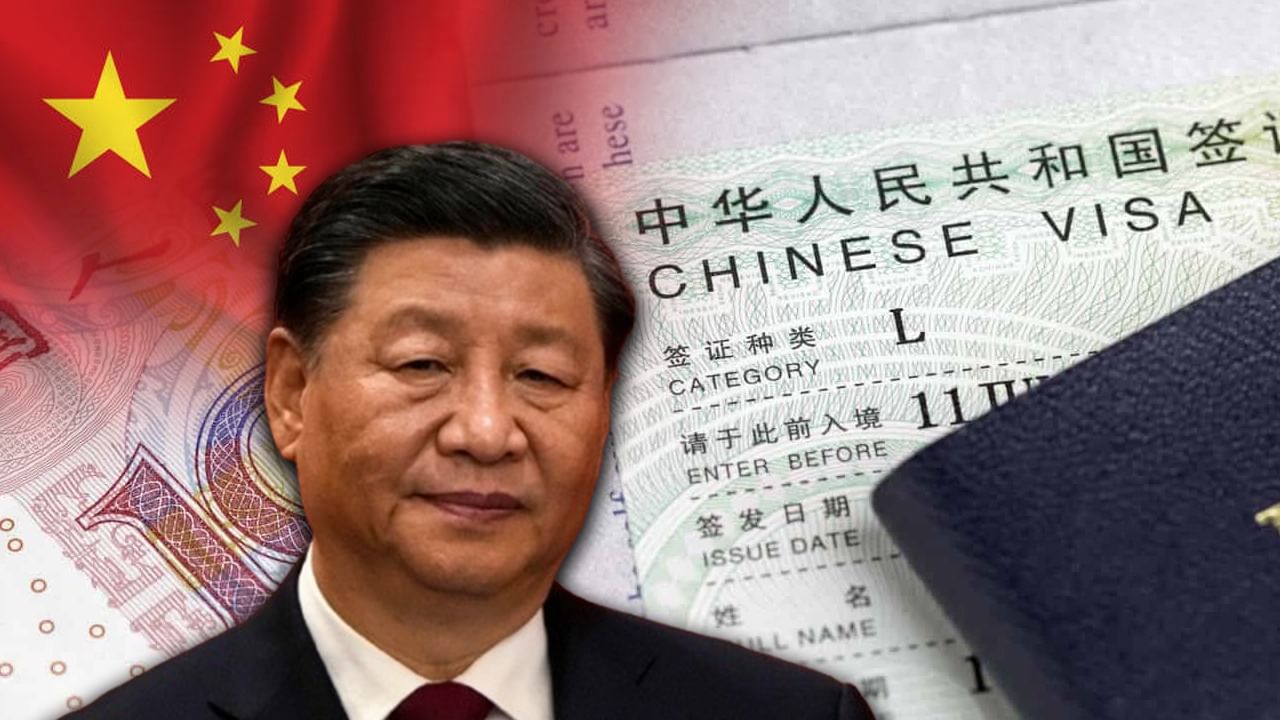
China recently announced the K-visa, a multi-entry visa specifically designed for foreign business leaders, investors, and young STEM talent. Beijing claims this initiative will open new avenues for business and research. Aiming to gain an advantage amidst stringent US visa regulations, the plan is set to launch on October 1st, with the goal of providing easy multi-entry access to foreign investors, business leaders, and professionals.
However, the core question remains: will simply easing visa restrictions genuinely benefit China? Experts believe the answer is no. The challenges are not merely bureaucratic; they are embedded within China’s economic, legal, and political structure.
**What are the fundamental problems?**
Despite easier visa processes, foreign professionals and investors face numerous difficulties in their daily lives in China. The language barrier is a major obstacle, as limited English usage presents challenges from the office to everyday conversations. Dietary habits and cultural differences also often make long-term stays difficult. Moreover, internet restrictions, limitations on expression, and a strict social environment do not make foreign nationals feel comfortable. For those with families, concerns about children’s education and the lack of reliable healthcare facilities are additional worries. In essence, the problems are not limited to the business environment, but are deeply rooted in everyday life.
**Why the K-Visa will not bring significant benefits to China:**
1. **Legal and Data Security Risks:** China’s data and intelligence laws may compel companies and individuals to share sensitive information, creating an untrustworthy environment for foreign professionals and investors.
2. **Technical Restrictions:** The US and its allies have imposed strict export controls on advanced chips and AI devices, preventing foreign experts from accessing necessary resources in China.
3. **Crisis of Trust:** The arrests of foreign nationals and political issues have damaged China’s international image, deterring investors and professionals from committing to long-term stays.
4. **Regulatory Uncertainty:** Sudden policy shifts in the tech and real estate sectors in recent years have demonstrated that policies in China can change at any time, creating an unstable business environment.
5. **Difficult Path to Permanent Residency:** Obtaining a green card or permanent residency in China is extremely difficult. Talented individuals seeking family and future stability prefer locations that offer long-term security.
6. **Concerns about Intellectual Property and Innovation:** China has improved IP laws, but enforcement is still considered weak. Many foreign companies are hesitant to bring their key research and technology to China.
7. **Attraction of Alternative Asian Hubs:** Countries like India, Vietnam, Indonesia, and Singapore offer more stable business environments and better visa/residency options. Talent and companies are prioritizing them over China.
8. **Domestic Political Pressure:** Unemployment among young people in China is already a concern. Accommodating a large influx of foreign talent could be politically sensitive.
9. **Language, Censorship, and Cultural Barriers:** Language barriers in the work environment, lack of academic freedom, and censorship pose significant obstacles for foreign professionals.
**What China Needs to Work On:**
China’s K-visa step is a PR strategy aimed at signaling openness to the world after the pandemic and global shocks. However, the reality is that merely easing visa restrictions won’t solve the deep-seated challenges that are deterring foreign investors and talent. Until China offers transparency in its laws, a stable business environment, and long-term residency options, the K-visa will remain a small step, not a major solution.