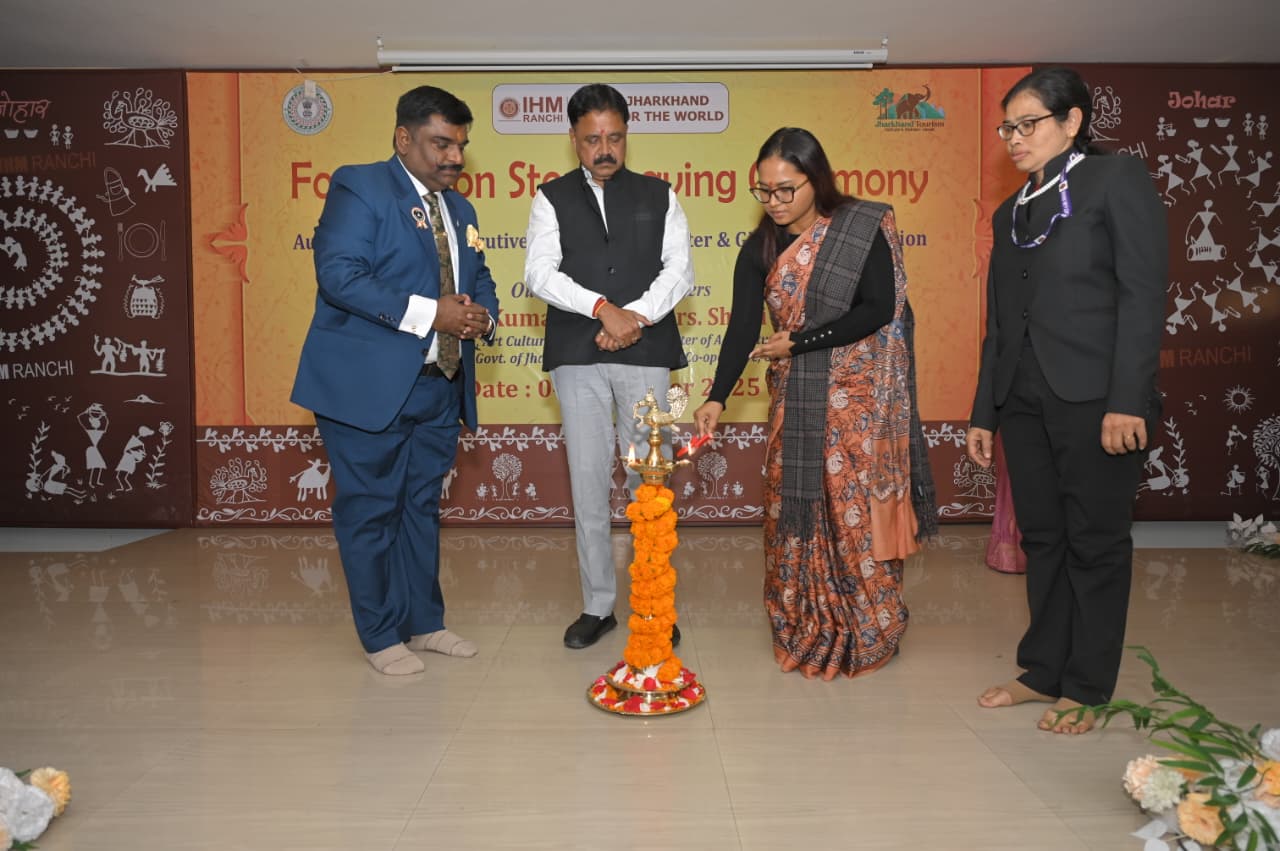



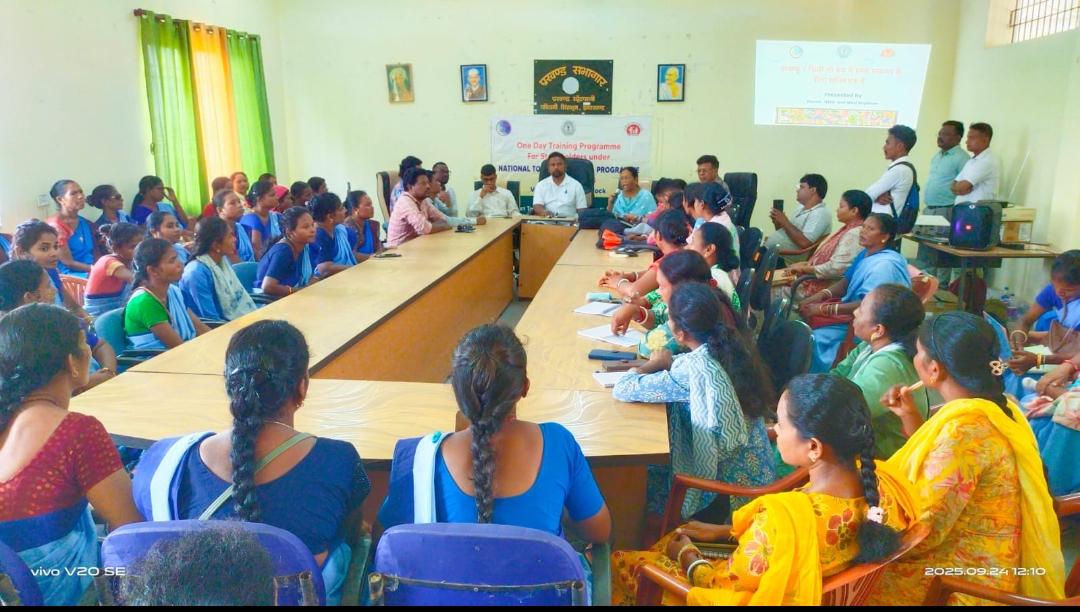
A one-day tobacco cessation training program was conducted on Wednesday in the presence of Dr. Sushanto Kumar Majhi, District Civil Surgeon of Pashchimi Singhbhum district, and under the chairmanship of Dhananjay Pathak, Block Development Officer Khuntpani. The program saw the participation of Mukhiyas (village heads), Jal Sahiyas (water assistants), employees from the drinking water department, members of voluntary organizations, and panchayat representatives.
The objective of the program was to make rural areas tobacco and drug-free and to encourage people to adopt a healthy lifestyle. Block Development Officer Dhananjay Pathak emphasized the necessity of abandoning tobacco and drugs for a healthy life. Block Pramukh (Head) Siddharth Honhaga expressed concern over the increasing tobacco consumption among the youth, calling it a social evil, and appealed to everyone to cooperate in building a drug-free society.
Additional Chief Medical Officer Dr. Bharti Minj provided information on the adverse effects of tobacco. She highlighted that tobacco use can lead to serious illnesses such as hair loss, cataracts, tooth decay, lung cancer, heart disease, ulcers, gangrene, and respiratory diseases. It also results in economic and social losses.
District Tuberculosis Officer Dr. Alok Ranjan stated that tobacco use affects not only the individual but also their family and society. Social worker Anoop Bage identified tobacco as a major cause of serious non-communicable diseases and stated that the adverse effects can be prevented by adhering to the provisions of the COTPA Act 2003 and 2021.
On this occasion, District Counselor Mukti Birua provided information about the Tobacco Cessation Center located at the Sadar Hospital. She mentioned that those who wish to quit tobacco can receive treatment at the hospital or contact the national toll-free number 1800-11-2356.
At the end of the program, all participants took a pledge not to consume tobacco. The program was attended by Block Pramukh, District Council members, employees of the drinking water department, representatives of voluntary organizations, and employees of the Block Office and the District NCD Department.