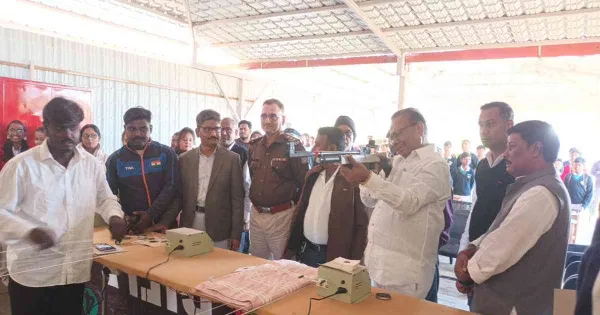


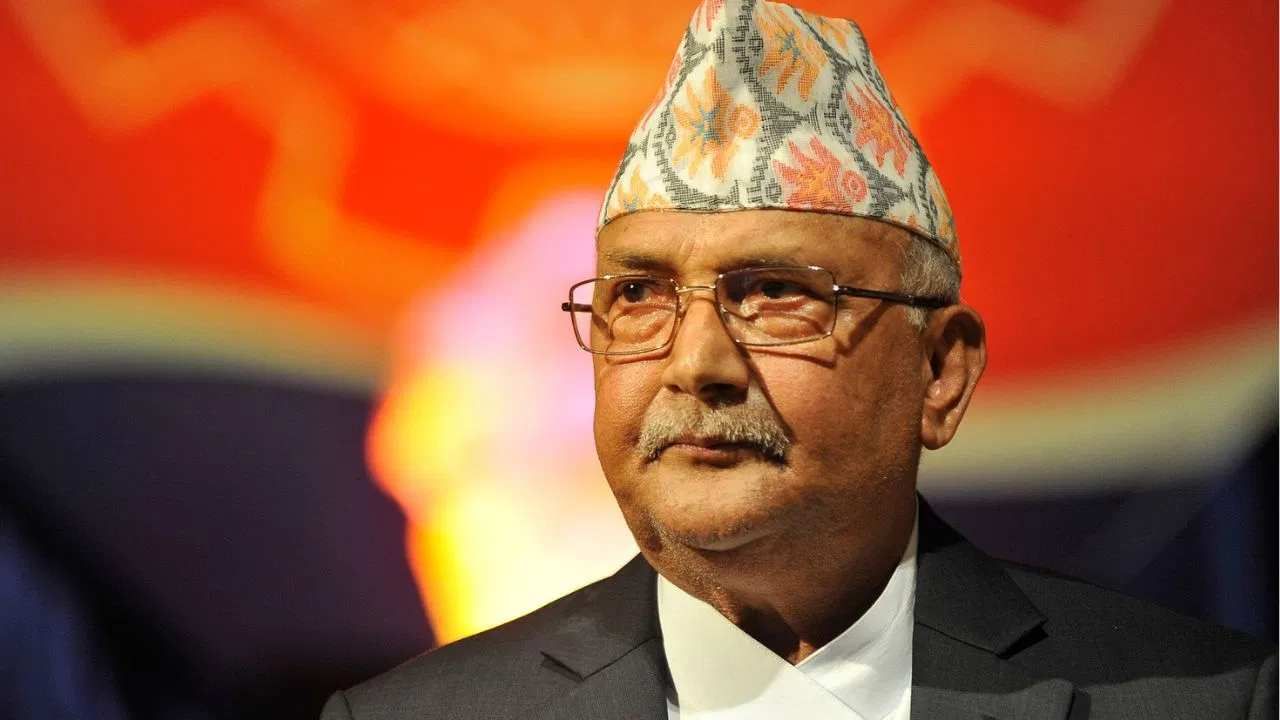
Former Prime Minister and Chairman of CPN (UML), KP Sharma Oli, made his first public appearance after resigning from his post. Oli attended a program organized by the Rashtriya Yuva Sangh, the student wing of his party, in Bhaktapur on Saturday.
This move is seen as an effort to re-engage in political activities, especially with the youth. Oli was compelled to step down after widespread public outrage and violence. Former Chief Justice Sushila Karki was appointed as the interim Prime Minister.
Oli’s appearance marked his first public presence since the Gen-G movement began on September 8th, followed by his resignation on September 9th. Sources indicate that initially, he was under the protection of the Nepalese army and later moved to a temporary residence. Party Deputy General Secretary Pradeep Gyawali recently confirmed Oli’s participation in secretariat meetings, which led to this public appearance.
The current parliament has been dissolved, and general elections are scheduled for March 2026. Protests continue on the streets, with young people in Kathmandu and other major cities demanding political reforms.
In this context, Oli’s public appearance is seen as an attempt not only to unite the party but also to maintain his relevance. The question remains whether the public, especially the Gen-G generation, will accept him again or whether this movement will become a permanent turning point in Nepalese politics.
The student-youth protests, which began in front of the parliament building on September 8th, quickly turned violent. Protesters demanded an end to corruption, transparency, and the abolition of a controversial social media ban.
However, security forces used water cannons, tear gas, and even gunfire. Police fired inside the parliament building to stop protesters from entering. On the same day, 21 youths died, followed by another 39 the next day, including 15 who died from severe burns. A total of 74 people have lost their lives in this movement so far.