


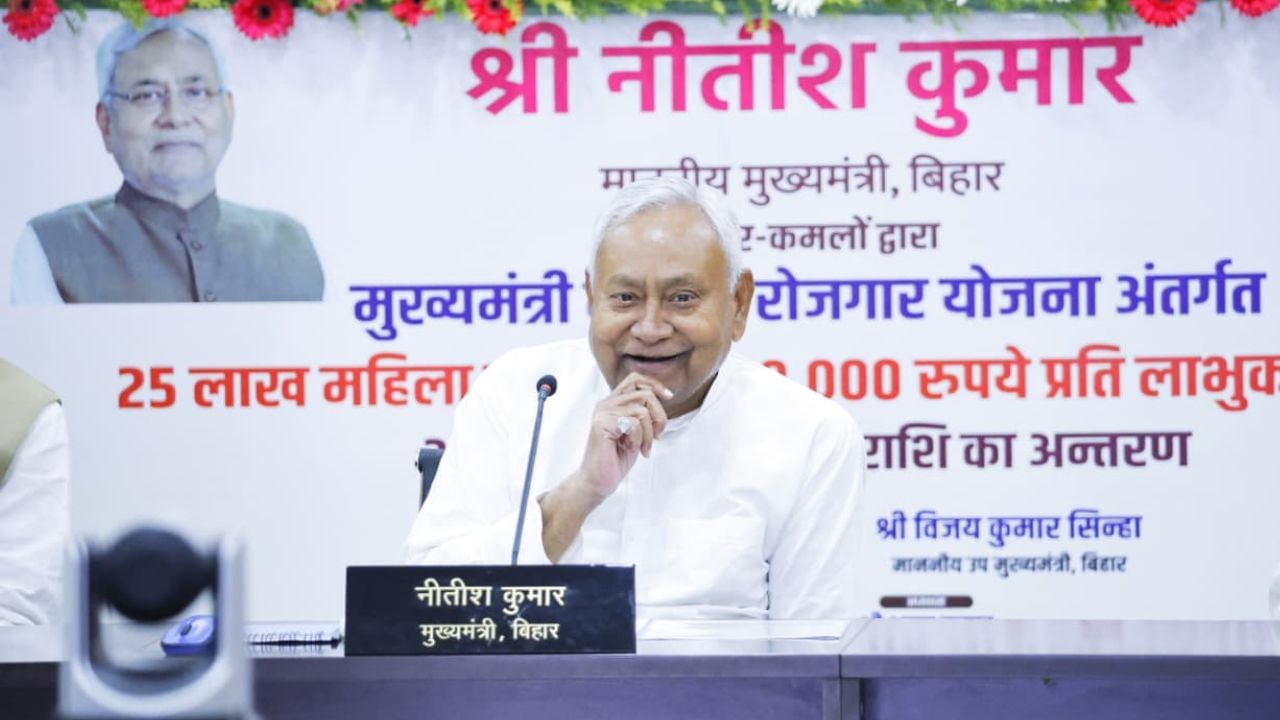
The ‘Chief Minister’s Women Employment Scheme’ was launched in Bihar on September 26, 2025. On that day, ₹7,500 crore was transferred via DBT to 7.5 million women beneficiaries at the rate of ₹10,000 per beneficiary. In a recent event, the Chief Minister transferred ₹2,500 crore to 2.5 million women beneficiaries at the rate of ₹10,000 per beneficiary through DBT. A total of ₹10,000 crore has been transferred to the accounts of 1 crore women beneficiaries so far.
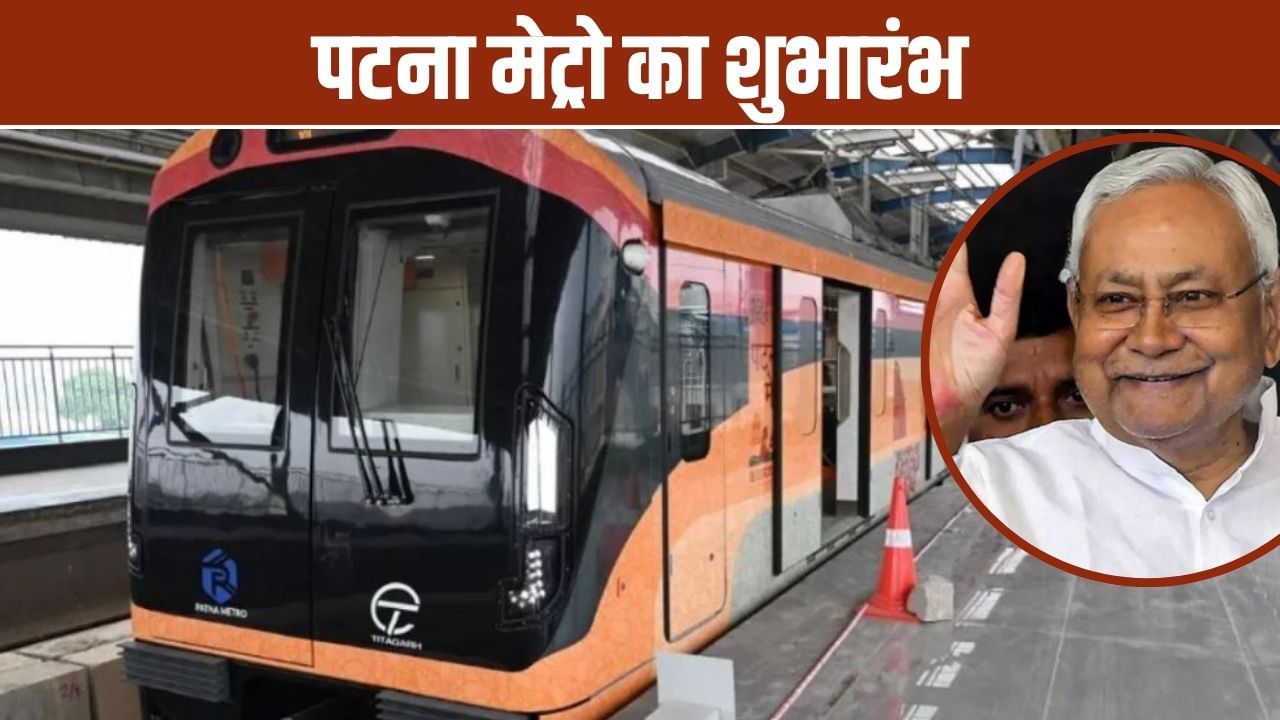
Chief Minister Nitish Kumar first congratulated the women. He stated that the amount is being distributed to 2.5 million women today, bringing the total number of beneficiaries under the scheme to 1 crore. He mentioned that the scheme aims to benefit every woman in each family in the state. Therefore, dates have been set for providing financial assistance of ₹10,000 to the remaining women, with the next date being October 6, 2025.
He added that those whose businesses perform well will receive an additional financial assistance of up to ₹2 lakh. The Chief Minister also criticized the previous government. He said that since the NDA government was formed on November 24, 2005, they have been working on the development of Bihar. Law and order are now established in the state, with rapid development occurring in all sectors, including education and health. Emphasis has been given to women empowerment from the beginning.
CM Nitish Kumar stated that the initiative began with 50 percent reservation for women in Panchayati Raj institutions in 2006 and in urban local bodies in 2007. From 2013, 35 percent reservation was provided for women in the police force. In 2016, 35 percent reservation was given to women in government jobs. He mentioned that earlier, the number of self-help groups in Bihar was very low.
In 2006, a loan was taken from the World Bank to form self-help groups in the state, which were named ‘Jeevika’. Now, the number of self-help groups has increased to approximately 11 lakh, with the number of Jeevika didis reaching 1 crore 40 lakh. From 2024, self-help groups are also being formed in urban areas, with their number reaching 37,000, including approximately 3 lakh 85 thousand Jeevika didis, and the formation continues.