.jpeg "Featured Image")



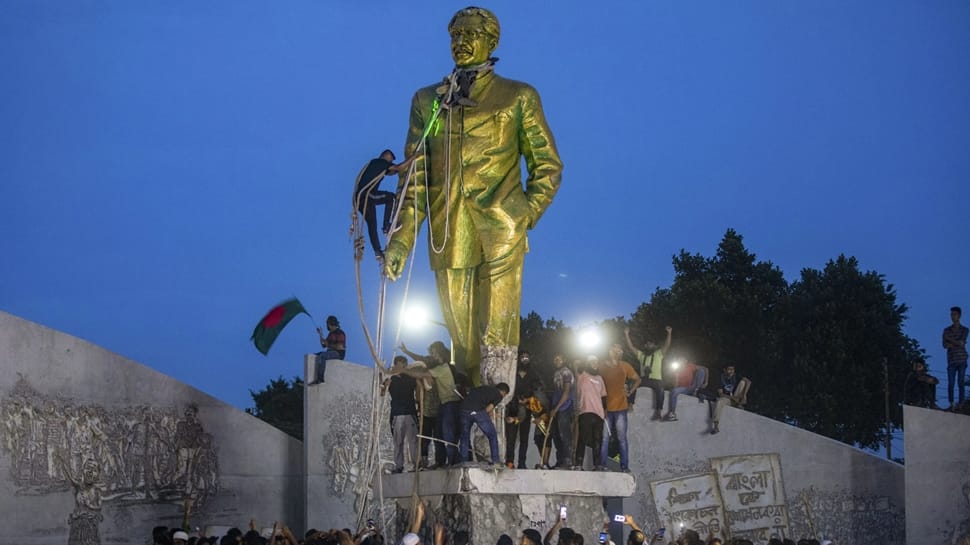
Despite hopes for a return to normalcy following the interim government’s promise of early elections, the situation in Bangladesh appears to be deteriorating. Observers note that radical elements are increasingly influential, dictating terms within the nation. Even major political factions like the Bangladesh Nationalist Party (BNP) express significant doubts about the feasibility and fairness of upcoming elections, with some questioning if elections will be held at all.
The core concern for Bangladesh now lies in the escalating tension between student leaders and the advisers of the interim government. The August 2024 uprising, which led to the removal of Sheikh Hasina, has been followed by this new conflict threatening the country’s stability.
Following their pivotal role in the August protests, student leaders have established the National Citizen Party (NCP) and aim to contest elections tentatively scheduled for February 2026. However, a growing suspicion within the NCP targets certain advisers in the Muhammad Yunus-led interim government. Allegations suggest these advisers may be covertly negotiating with established political parties to secure their own post-election safety. This suspicion intensified dramatically when NCP leader Sarjis Alam suggested that death might be the only escape route for these advisers, signaling a severe breakdown in trust.
Analysts interpret these developments as precursors to significant unrest, drawing parallels to past situations and predicting a potential resurgence of street protests led by the NCP. Adding another layer of complexity is the alleged involvement of Pakistan’s ISI, reportedly working through Jamaat-e-Islami to destabilize Bangladesh. An unstable nation serves the ISI’s agenda, particularly concerning India’s regional security. The ISI’s strategic focus on India means that fostering chaos in Bangladesh aligns with its broader objectives, including supporting terror networks.
Student leaders within the NCP also voice concerns that certain interim government advisers are prioritizing personal security and continued comfort by aligning with existing political forces. They feel the interim government has fallen short of expectations set after Sheikh Hasina’s ouster, failing to deliver on promises of restored normalcy and effective administration.
Since August and the installation of the interim government, Bangladesh has been mired in negative headlines, including widespread radicalization, Islamist extremism, economic struggles, perceived ISI influence, and a surge in minority persecution. The NCP is pushing for elections, but their confidence is waning, with doubts emerging about the true intentions of influential groups like the Jamaat regarding the electoral process. Even if elections proceed, widespread skepticism about their fairness persists among the populace, with many stating their unwillingness to participate in what they anticipate will be a rigged outcome. These mounting tensions strongly suggest another period of public upheaval is imminent.