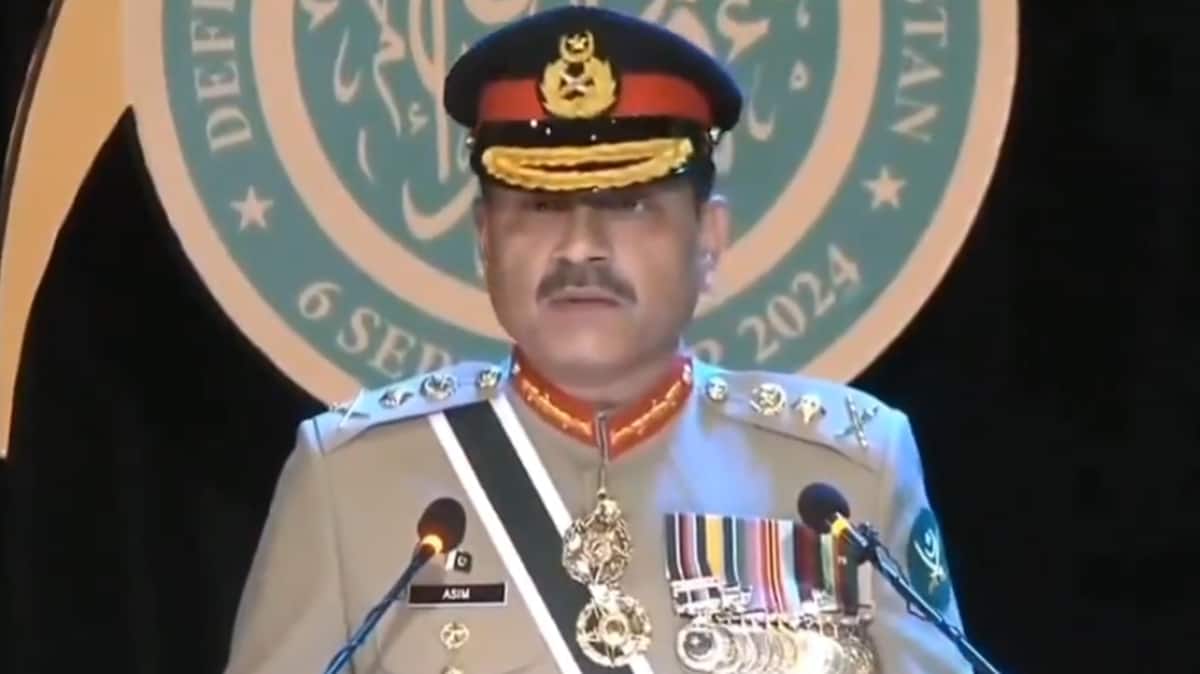



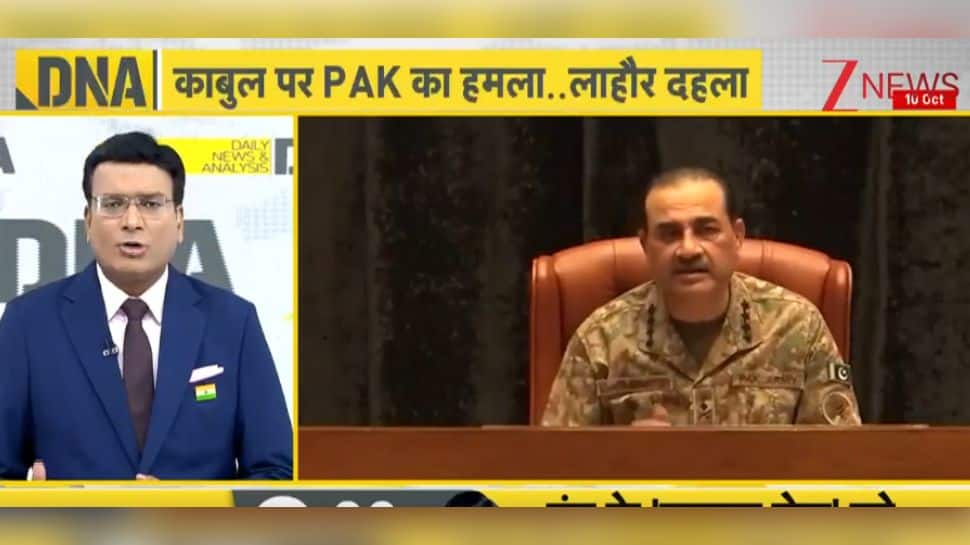
Pakistan’s military, under the command of Army Chief General Asim Munir, has escalated regional tensions with a late-night airstrike operation near Kabul, Afghanistan. Islamabad asserts the target was Tehrik-e-Taliban Pakistan (TTP) commander Noor Wali Mehsud, implicated in a recent deadly assault on Pakistani soldiers in Orakzai. This action, however, has been met with strong condemnation and has thrust the region’s delicate stability into jeopardy.
Adding to the controversy, the TTP quickly released an audio statement purportedly from Mehsud, refuting claims of his demise and asserting he is alive. This casts significant doubt on the efficacy and justification of Pakistan’s counter-terrorism efforts.
The Taliban administration in Kabul vehemently denounced the strikes, terming them a flagrant violation of Afghanistan’s sovereign territory and issuing a stern warning of retaliatory measures. They declared that Pakistan would bear the consequences for any civilian casualties resulting from what they describe as an unprovoked aggression.
This development unfolds against a backdrop of heightened diplomatic activity. Afghan Foreign Minister Amir Khan Muttaqi is currently in India, engaging in discussions with External Affairs Minister S. Jaishankar. India has reiterated its commitment to Afghanistan’s sovereignty and security and has signaled a significant diplomatic step by announcing the reopening of its embassy in Kabul.
Meanwhile, Pakistan’s domestic front is grappling with escalating unrest. Prime Minister Shehbaz Sharif’s government has implemented internet shutdowns in Islamabad and Rawalpindi. This measure coincides with large-scale protests by the radical Tehreek-e-Labbaik Pakistan (TLP) group, which attempted to march towards the U.S. Embassy in response to the Gaza conflict, leading to violent confrontations with security forces.