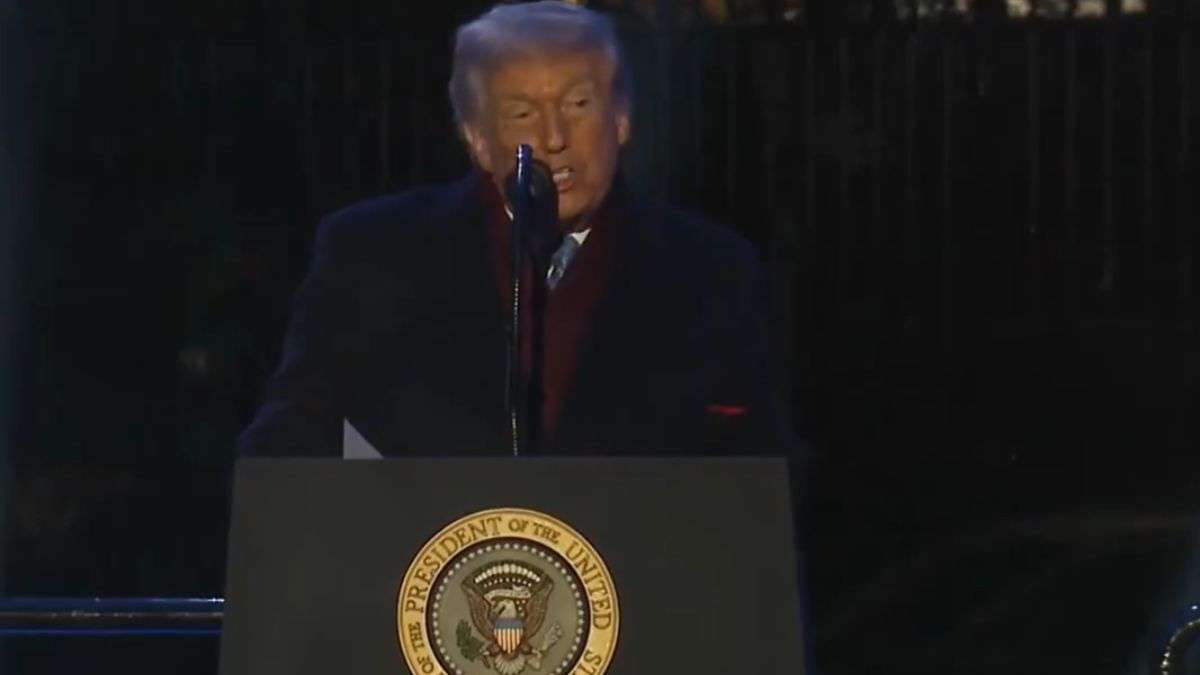



The United States is set to impose a sweeping 100% tariff on all goods imported from China, effective November 1, 2025. This drastic measure is a direct response to China’s recent imposition of export controls on rare earth elements. President Trump announced the move, stating it would effectively double the cost of Chinese imports for American consumers and businesses.
The decision follows China’s expansion of its restricted rare earths list, targeting critical minerals essential for advanced technologies, from smartphones and electric vehicles to defense systems. China’s near-monopoly on rare earth processing gives it significant leverage, which the US views as a direct threat to its technological and defense industries. Trump condemned China’s actions as an “extremely hostile letter to the World” and “absolutely unheard of in International Trade.”
Rare earth elements are vital components in numerous modern applications, including military hardware, consumer electronics, and clean energy technologies. China’s dominance in controlling the supply chain for these materials has long been a point of concern for global markets. The 100% tariff signifies a major escalation in the ongoing trade dispute, potentially leading to significant price increases for a wide range of products in the US.
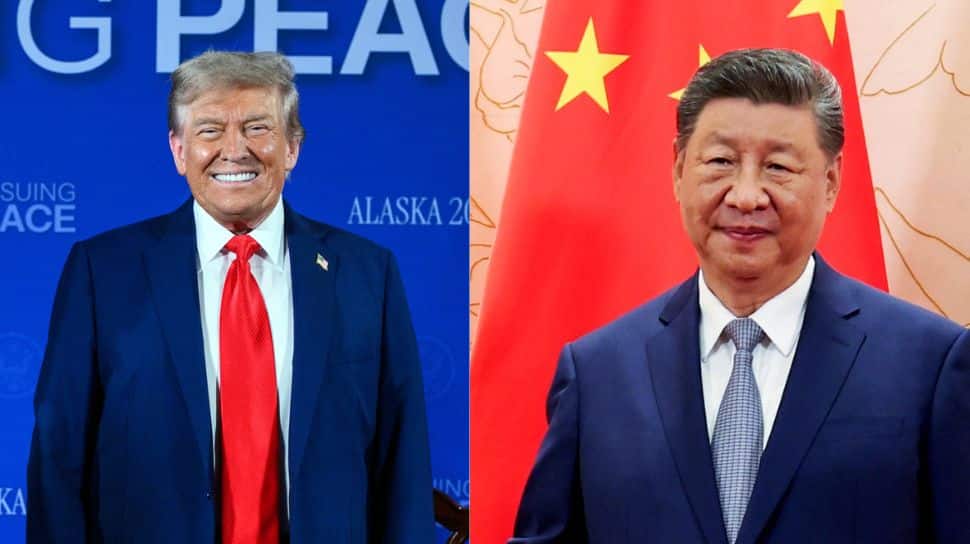
This tariff announcement comes amidst uncertainty regarding a potential meeting between President Trump and Chinese President Xi Jinping at the upcoming APEC summit. While initially suggesting a cancellation, Trump later clarified that the meeting was not officially off the table, leaving the diplomatic path uncertain. China’s justification for its export controls cited national security interests, echoing similar justifications used by the US for its own technology export restrictions. This move signals a new phase of economic warfare, where both nations are leveraging their respective technological and resource strengths.