.jpeg "Featured Image")



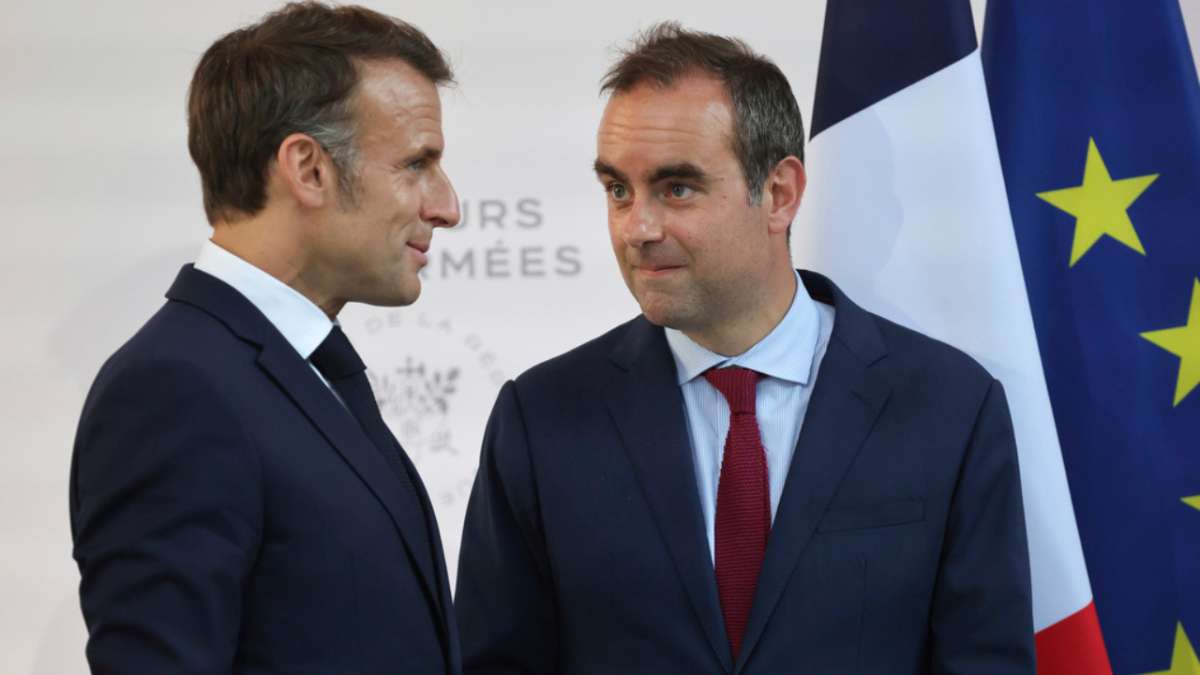
In a significant political maneuver, French President Emmanuel Macron has reappointed Sebastien Lecornu as Prime Minister, just days after Lecornu’s resignation. This decision comes as Macron seeks to break a protracted political stalemate and address the nation’s pressing economic challenges. Lecornu’s immediate task is to form a new government and finalize the national budget for the upcoming year.
The reappointment follows a period of intense negotiations and internal government friction that led to Lecornu’s initial resignation less than a week prior. President Macron’s second term, which continues until 2027, has been marked by a lack of a stable parliamentary majority, leading to increasing criticism and limited options for policy implementation. The Elysee Palace confirmed the reappointment with a concise statement, echoing the announcement from Lecornu’s initial appointment a month ago.
Lecornu expressed his acceptance of the role out of a sense of duty, emphasizing his mission to secure the national budget and tackle citizens’ everyday concerns. He also stipulated that new cabinet members must forgo presidential ambitions for 2027, advocating for a government focused on “renewal and a diversity of expertise.” Lecornu aims to put an end to the “political crisis that frustrates the French and undermines our country’s image and interests.”
His abrupt resignation earlier in the week, shortly after unveiling his cabinet, was triggered by opposition from a key coalition partner. Despite calls for Macron’s resignation or a dissolution of Parliament, the President chose to re-establish Lecornu’s leadership. However, political leaders remain apprehensive, with some warning that another prime minister from Macron’s centrist bloc might face rejection in the National Assembly, thereby extending the political deadlock. The nation is currently battling significant economic headwinds, including a mounting debt crisis with public debt reaching 114% of GDP, and a rising poverty rate at 15.4% in 2023.