



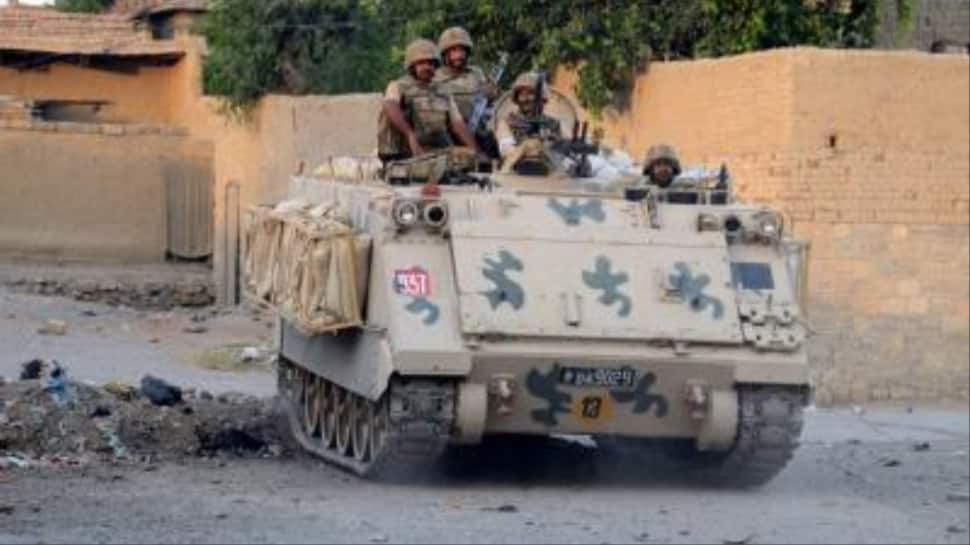
A significant escalation of violence has erupted along the Pakistan-Afghanistan border, resulting in numerous casualties and heightened diplomatic tensions over the weekend. The conflict ignited late Saturday when Afghan forces, operating under Taliban governance, initiated attacks on Pakistani military outposts. Kabul claims these actions were a direct response to alleged Pakistani airstrikes on Afghan territory days prior.
Both nations have presented starkly contrasting reports on the number of dead and injured, each asserting greater success in inflicting damage on the opposing side. The ongoing hostilities led to the immediate closure of border crossings on Sunday, further isolating the region.
Key developments reveal a deepening crisis. Afghan officials stated their Saturday strikes were retaliatory for reported Pakistani air raids on Kabul and a civilian area on Thursday night. Pakistan has not confirmed involvement in these alleged bombings. Taliban spokesperson Zabihullah Mujahid vowed, “The Islamic Emirate and the people of Afghanistan will defend their land and remain resolute and committed in this defence.”
Casualty figures are a point of major contention. Afghan authorities reported 58 Pakistani soldiers killed and approximately 30 wounded. Conversely, Pakistan announced 23 of its troops had died, while claiming to have neutralized over 200 Taliban and associated fighters in the ensuing exchange of fire. Independent verification of these numbers remains challenging.
This border incident underscores the fragile and strained relationship between Pakistan and Afghanistan since the Taliban’s resurgence in 2021. Islamabad has consistently accused Kabul of harboring militants, particularly from the Tehreek-i-Taliban Pakistan (TTP), who have been implicated in numerous attacks within Pakistan. Afghanistan has consistently refuted these accusations. The two countries share the Durand Line, a 2,611-kilometer border that Afghanistan has never officially recognized.
In response to the aggression, Pakistani Prime Minister Shehbaz Sharif vehemently condemned the Afghan “provocations,” vowing a strong and decisive response. “There will be no compromise on Pakistan’s defence, and every provocation will be met with a strong and effective response,” he declared, also accusing Taliban leadership of permitting their territory to be utilized by “terrorist elements.”
Afghan Foreign Minister Amir Khan Muttaqi issued a stern warning, suggesting Afghanistan possesses “other options” if dialogue with Pakistan proves unfruitful. He alluded to certain factions within Islamabad, potentially the military establishment, attempting to sabotage bilateral relations. Pakistan’s foreign minister, meanwhile, implored the Taliban to actively combat militant groups posing a threat to regional peace. Reports indicate that mediation efforts, reportedly involving Qatar and Saudi Arabia, have helped de-escalate the cross-border strikes.