



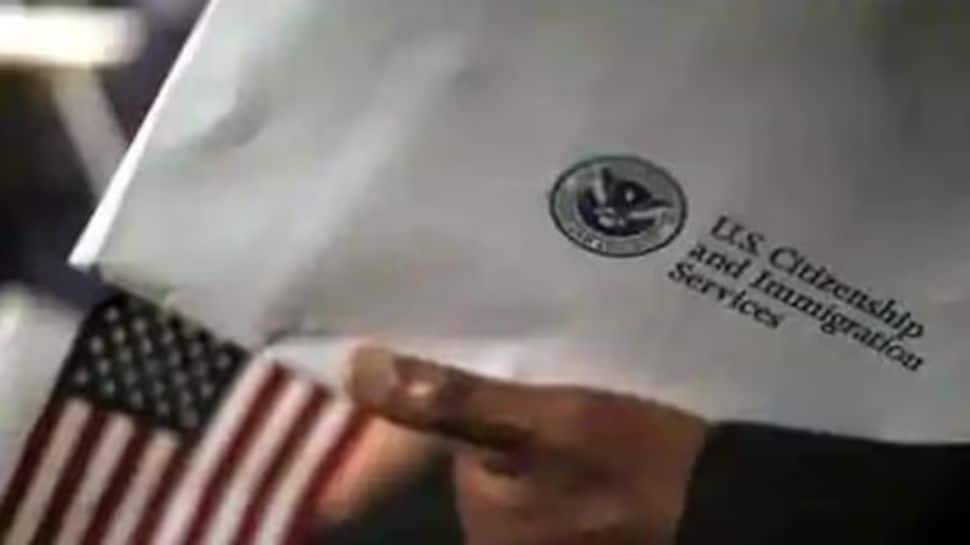
The United States is on the brink of implementing significant changes to its employment-based Green Card system, potentially altering the permanent residency pathway for numerous foreign professionals. The Department of Homeland Security (DHS) is reportedly preparing new regulations designed to update eligibility criteria for individuals with extraordinary abilities, as well as highly qualified academics and researchers. These proposed updates are anticipated to be published by January 2026, signaling a potential shift in how high-skilled foreign workers can achieve permanent residency.
The core of these proposed changes involves a modernization of requirements for specific visa categories. This includes refining the evidence needed for those with extraordinary abilities, National Interest Waiver (NIW) applicants, and even doctors seeking recognition for their national and international contributions. In essence, the administration aims to redefine the standards and documentation necessary for securing an employment-based Green Card, potentially making it more rigorous for some applicants who previously found the process more accessible.
This regulatory shift is expected to affect a broad range of individuals. Professionals holding O-1A visas, which allow individuals with exceptional talent in fields like science, education, business, or athletics to work in the US without employer sponsorship, might see their path to a Green Card become more complex. Currently, the O-1A offers a relatively streamlined route to permanent residency. Similarly, foreign nationals applying for Green Cards through the National Interest Waiver (NIW) program, which recognizes work that benefits the United States, may face new evidentiary hurdles. The proposed regulations aim to ensure that the Green Card process remains relevant to contemporary needs and the nation’s strategic interests, potentially leading to greater transparency and structure for highly skilled individuals.