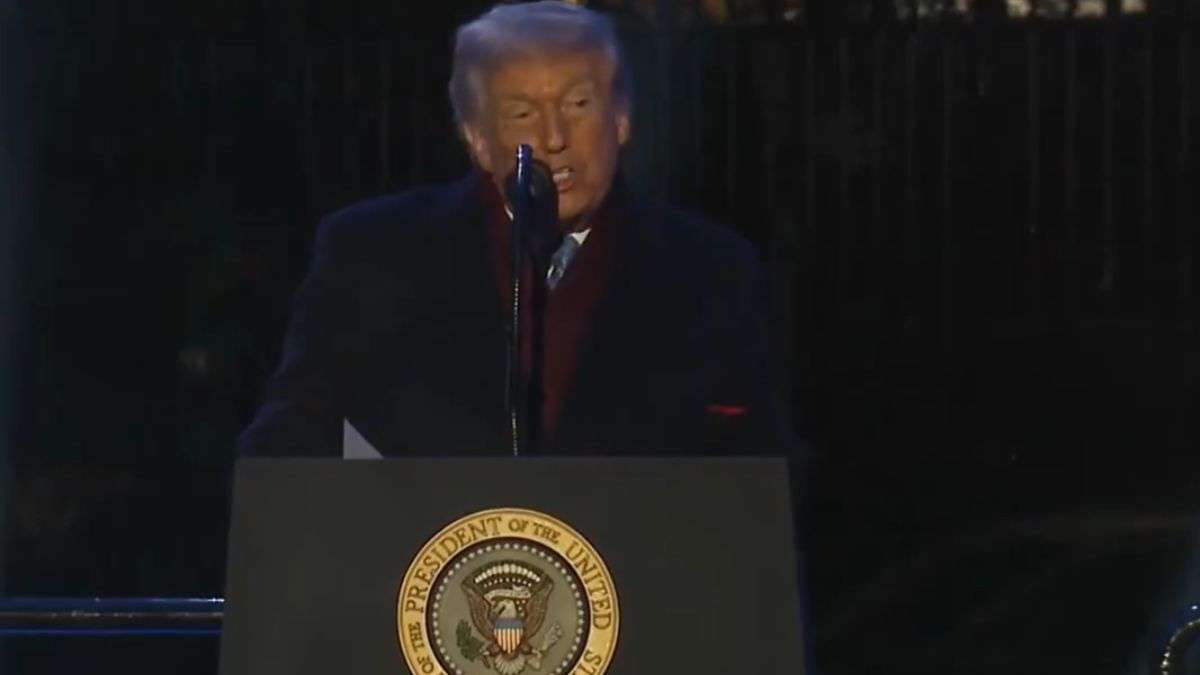



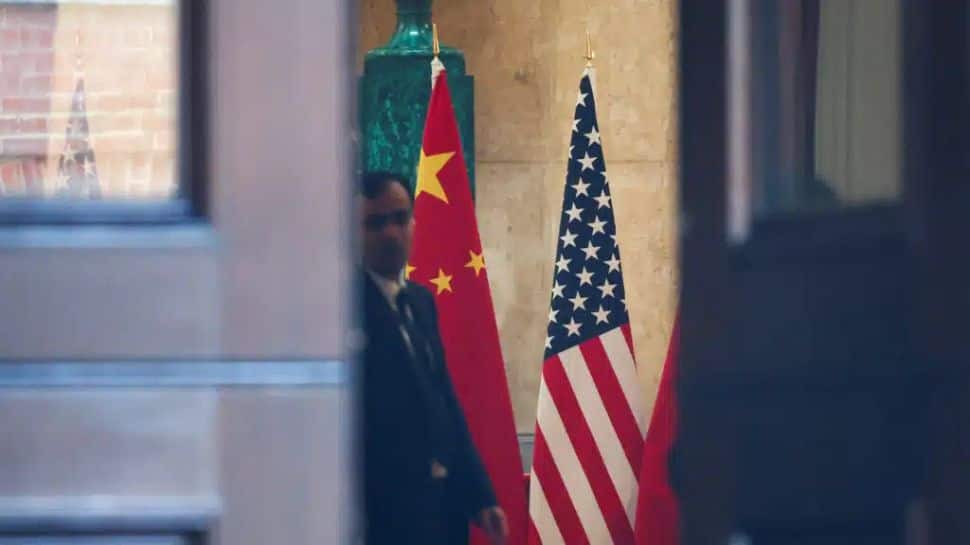
President Donald Trump has publicly downplayed escalating US-China tensions, emphasizing a desire to assist China rather than inflict harm. In a recent social media post, Trump stated his respect for Chinese President Xi Jinping, suggesting that the leader had a “bad moment” and shares the US goal of avoiding economic depression. This conciliatory message aims to quell global anxieties surrounding the increasingly strained trade relationship between the two economic superpowers.
The White House echoed this sentiment, reinforcing the idea that US actions are not intended to be damaging. These statements arrive amidst reports of China warning of significant countermeasures should the US proceed with imposing a drastic 100% tariff on Chinese imports. This threat was a direct response to China’s recent implementation of export restrictions on critical rare earth minerals, a move that has exacerbated existing trade frictions and threatened to derail months of diplomatic progress.
Beijing’s Ministry of Commerce has made its stance clear, asserting that high tariffs are an unproductive approach to engaging with China. A spokesperson indicated that while China prefers to avoid a trade war, it is prepared to implement “corresponding measures” to protect its national interests if the US continues on a unilateral path. The prospect of escalating trade friction has already sent ripples through global markets, with stock prices falling and industries preparing for potential disruptions. Fears of a return to the intense tariff battles seen earlier in the year, where levies reached substantial percentages, are palpable.
The burgeoning uncertainty also casts a long shadow over the anticipated Trump-Xi summit, scheduled to take place in South Korea within the next two weeks. The meeting’s feasibility had already been brought into question by Trump, particularly in light of China’s rare earth mineral export policies.