



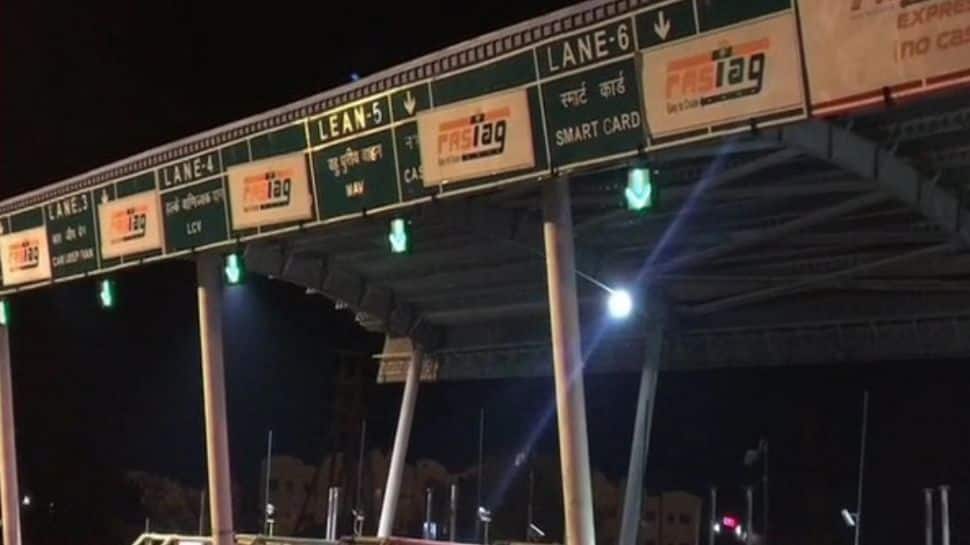
India’s ambitious satellite-based toll collection system has been indefinitely postponed, with government sources citing significant privacy and security concerns. This delay underscores a national hesitancy to rely on foreign satellite navigation systems like the US’s GPS, Russia’s GLONASS, Europe’s Galileo, or China’s BeiDou. The move follows Operation Sindoor, which reportedly exposed vulnerabilities in vehicle tracking and real-time location monitoring capabilities. While not scrapped, the project is deferred, with officials emphasizing the need for a fully indigenous Indian satellite navigation system to power it. Currently, India’s NavIC network is not robust enough for nationwide toll collection. Technical teams are diligently working to upgrade NavIC for operational readiness. A major hurdle is the system’s potential to compromise individual privacy by capturing real-time vehicle locations on Indian roads, a critical issue given heightened national security sensitivities. Despite this pause, efforts are underway to develop a barrier-free toll system. Early trials highlighted the need for robust security and privacy measures before a national rollout. The National Highways Authority of India is already implementing barrier-free tolling, with the first tender issued for Gujarat. This technology promises smoother traffic flow and improved revenue collection without vehicle stops. These ongoing developments are seen as crucial steps towards a future satellite toll system powered by the ready NavIC network, reflecting India’s commitment to self-reliance and domestic technological advancement.