


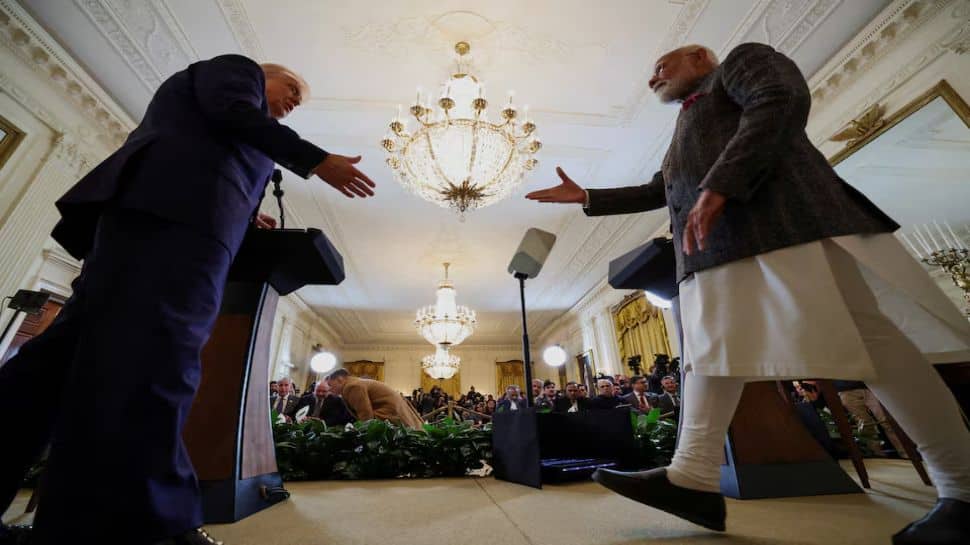
Intensified trade negotiations between India and the United States are signaling a potential breakthrough in overcoming significant tariff barriers. A high-level Indian delegation is en route to Washington this week, aiming to propel forward discussions that commenced in February. This critical visit is the latest in a series of high-stakes talks focused on bolstering bilateral trade and dismantling existing tariff obstacles. The momentum builds following a recent constructive conversation between Prime Minister Narendra Modi and US President Donald Trump, where leaders tasked their teams with finalizing the initial phase of a comprehensive deal by fall 2025.
Five rounds of talks have already concluded, with insiders suggesting the negotiations are progressing positively and are steadily moving towards a resolution. The central question remains the timeline for the formal signing of this agreement. This development occurs as the US seeks stronger economic ties with India amidst escalating geopolitical tensions. US Treasury Secretary Scott Baesant has voiced strong opposition to China’s export restrictions on rare earth materials, framing it as a threat to global supply chains and calling for coordinated action with allies, including India.
Commerce and Industry Minister Piyush Goyal’s recent visit to New York for trade consultations further solidified the commitment to finding a mutually beneficial trade arrangement. Discussions with US officials, including James Greer and Sergio Gor, covered various aspects of the proposed trade framework. A key aspect driving these negotiations is the substantial tariffs currently imposed on Indian goods by the US, including a 50% tariff on certain items in response to India’s oil imports from Russia. A bilateral trade agreement holds the promise of significantly reducing these trade barriers and unlocking greater economic potential.
The ambitious goal set for this agreement is to more than double bilateral trade to $500 billion by 2030, up from the current $191 billion. The US consistently ranks as India’s top trading partner, with bilateral trade in 2024-25 estimated at $131.84 billion, comprising substantial Indian exports. The proposed deal is therefore vital for India’s foreign trade strategy, promising to streamline commerce, foster mutual economic growth, and create valuable employment opportunities in both nations.