.jpeg "Featured Image")


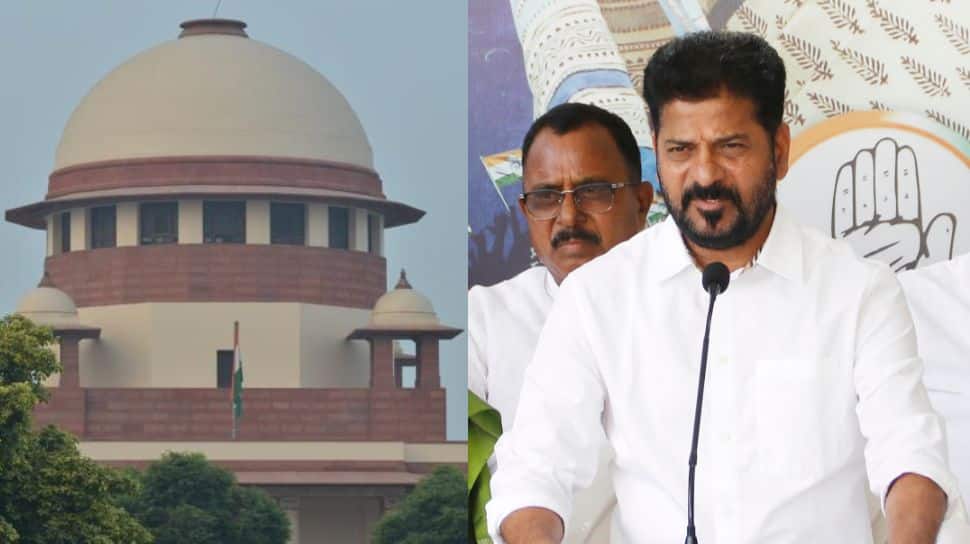
The Supreme Court has put a halt to the Telangana government’s attempt to implement a 42% reservation for Other Backward Classes (OBC) in local body elections. This decision comes after the Telangana High Court had previously issued an interim order blocking the state’s move. The proposed increase would have raised the total reservation in local bodies to an unprecedented 67%, exceeding the standard 50% cap.
A bench of Justices Vikram Nath and Sandeep Mehta clarified that their dismissal of the state’s plea does not preclude the High Court from making a final decision on the matter’s merits. The Telangana government had approached the apex court following the High Court’s temporary stay on the enhanced OBC quota, which was part of the Panchayat Raj (Amendment) Bill, 2025, and the Telangana Municipalities (Amendment) Bill, 2025, passed earlier this year.
Arguments presented to the Supreme Court highlighted differing interpretations of existing reservation laws. The state contended that the High Court’s order conflicted with the Supreme Court’s nine-judge bench ruling in the Indira Sawhney case, which allows exceeding the 50% limit in exceptional circumstances. Conversely, those opposing the state’s move argued that the Indira Sawhney judgment pertains to employment and education reservations and does not extend to political reservations in local governance, especially beyond the 50% cap, except for specific tribal reservations in Fifth Schedule areas.
The Supreme Court’s dismissal means local body elections, which commenced on October 9, will proceed without the contested 42% OBC reservation in place. The High Court will now undertake a full review of the reservation quota issue.