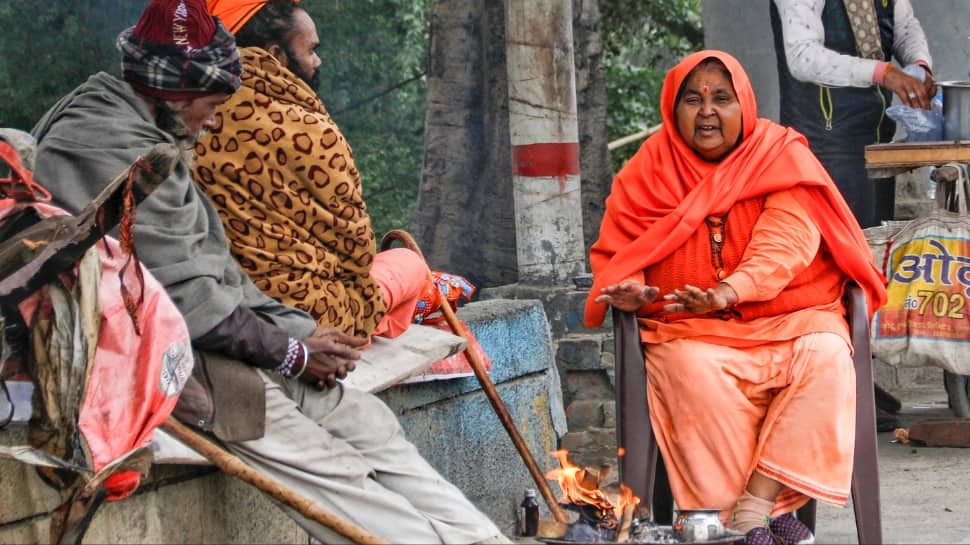



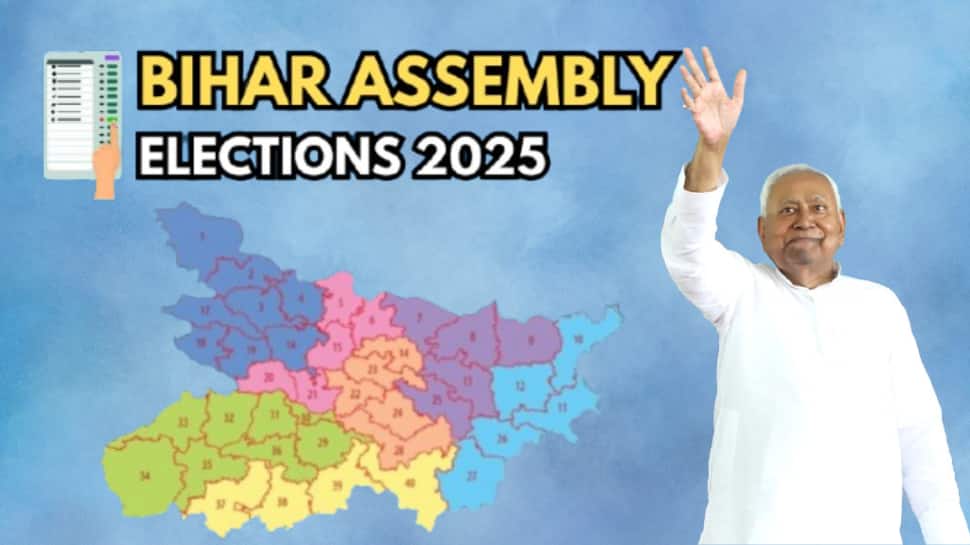
Bihar’s political landscape is witnessing a significant shift, with women emerging as powerful electoral forces. Their voting turnout has consistently surpassed men’s by a considerable margin, prompting political parties to re-evaluate their strategies and place women at the forefront of their campaigns. Chief Minister Nitish Kumar has long recognized this demographic’s influence, implementing various welfare schemes like bicycle distribution for girls and promoting self-help groups. Improvements in law and order have also contributed to women feeling safer in public spaces, encouraging greater participation in civic life and voting.
The feminization of the ballot is also driven by male out-migration for work, often preventing men from returning home to vote. This leaves women as the primary voters in many households. The 2020 elections highlighted this trend, with women’s votes proving crucial in the NDA’s narrow victory. While the Mahagathbandhan led among men, the NDA secured a slight edge among women, particularly younger demographics who benefited from government initiatives. Specific caste groups showed differing allegiances, underscoring the nuanced nature of the female vote.
In a bold move for the upcoming elections, the NDA government has announced a direct cash transfer of Rs 10,000 to over 1.21 crore women. This initiative, along with a potential Rs 2 lakh for entrepreneurial ventures, targets a substantial portion of the female electorate. The timing, just before the festive season, aims to boost spending power. However, the scheme has faced criticism from those excluded, raising concerns about potential voter dissatisfaction. Despite this, Nitish Kumar’s administration has avoided more populist, financially unsustainable promises seen elsewhere.
Early surveys suggest a potential swing in votes towards the NDA among women, though core blocs remain loyal to the opposition. The Mahagathbandhan has countered with its own promise of Rs 2,500 per month for women, mirroring successful strategies in other states. In a state with low per capita income, such financial security can hold significant appeal, offering not just relief but also autonomy and dignity. Ultimately, while cash transfers can influence choices, Bihar’s women voters consider a wider range of governance factors, including safety, education, and healthcare, when casting their ballots. The party that addresses these multifaceted aspirations comprehensively is likely to win their support.