




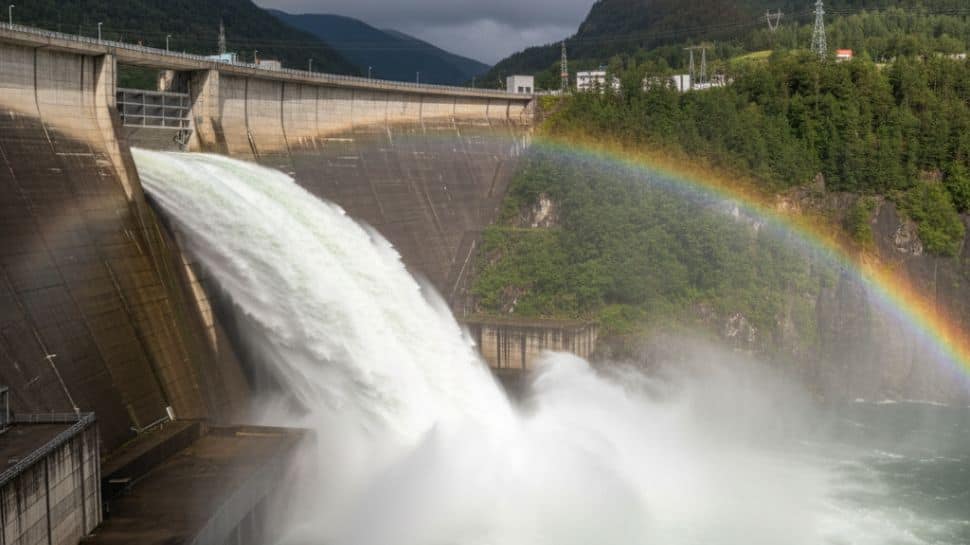
Afghanistan has unveiled plans to construct a dam on the Kunar River, a move that has sent ripples of concern through Pakistan. This strategic decision by the Taliban government could significantly curtail Pakistan’s vital water supply, leaving the nation vulnerable with limited recourse. The announcement follows a period of heightened tensions, including Pakistan’s recent air strikes on Kabul and clashes along the Durand Line, suggesting the dam project is a retaliatory measure.
This development adds another layer to Pakistan’s water security challenges, coming as India has already suspended aspects of the Indus Water Treaty. The Kunar River, a critical artery for Pakistan, originates in Pakistan’s Chitral region before flowing into Afghanistan and then re-entering Pakistan to feed into the Indus River system. The Indus is the primary source of irrigation for Pakistan’s agricultural heartlands in Punjab and Sindh.
The Taliban’s motivation appears dual-pronged: to secure 1,000 megawatts of hydropower for Afghanistan’s energy needs and to exert pressure on Pakistan. If completed, the dam is projected to reduce the Kunar River’s flow into Pakistan by 25-30%. This reduction could devastate agricultural output, impacting approximately 120,000 acres of farmland. The consequences extend to drinking water availability for millions and a significant decrease in hydropower generation, potentially leading to widespread power outages.
Pakistan finds itself in a precarious geographic position. While the river’s headwaters are in Pakistan, it flows out of the country before returning. This makes it challenging for Pakistan to legally or practically impede the water’s flow from Afghanistan. Furthermore, Afghanistan is not bound by any water-sharing treaty with Pakistan, empowering Kabul’s unilateral control over the river’s resources. The Taliban’s approach appears to mirror a strategy previously employed by India, aiming to destabilize Pakistan through water denial rather than direct conflict.