



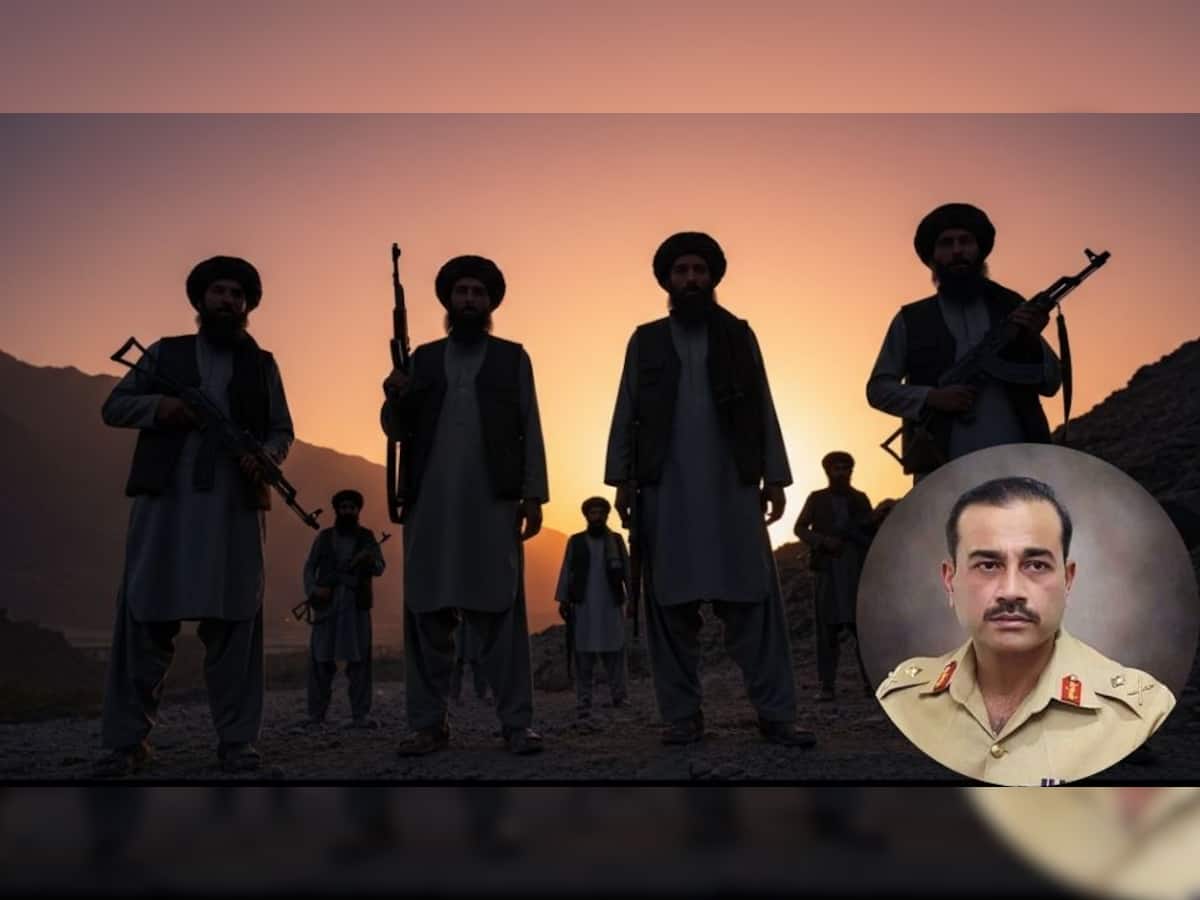
Pakistan is facing an unprecedented crisis as the Taliban, a group it once supported, has now declared open war. Tehrik-e-Taliban Pakistan (TTP) chief Noor Wali Mehsud announced that Afghan Taliban leader Hibatullah Akhundzada has ordered the complete conquest of Pakistan. This declaration follows a deadly border clash that killed five Pakistani soldiers, sending shockwaves through Islamabad.
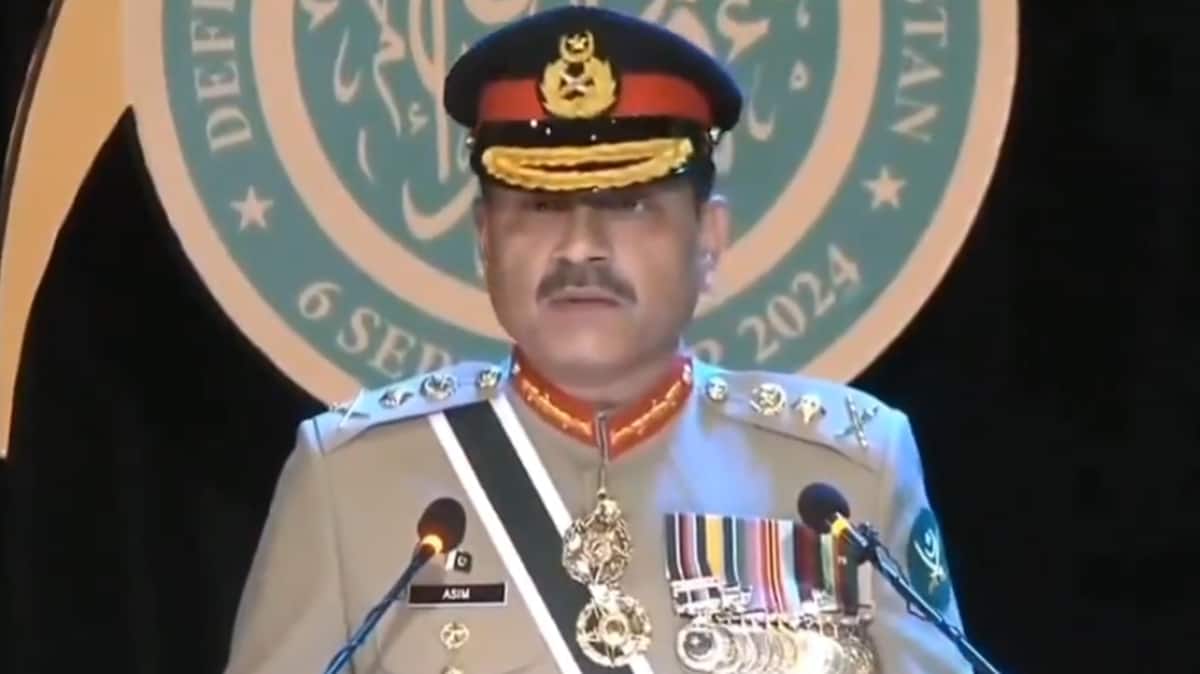
Decades of nurturing the Taliban as a strategic tool have backfired, leaving Pakistan surrounded by the very militants it empowered. Afghan Taliban forces are launching attacks from across the border, while TTP militants operate with impunity within Pakistani territory, actively challenging the authority of General Asim Munir’s army.
A disturbing video has surfaced showing Noor Wali Mehsud freely moving in Pakistan’s Khyber Pakhtunkhwa province, issuing directives to his heavily armed fighters. He stated, “We have been commanded to conquer Pakistan. No matter what price we pay, defeating Munir’s army is our ultimate goal.” The inability of Pakistani forces to apprehend a prominent terrorist leader within their own borders highlights a severe erosion of state control.
Peace talks in Istanbul aimed at curbing militant activity from Afghanistan ended in a major diplomatic failure. Pakistan urged the Afghan Taliban to take action against the TTP and other groups, but received a flat refusal. Instead, the Taliban suggested Pakistan negotiate directly with the TTP, a proposal Islamabad rejected, underscoring Afghanistan’s unwillingness to rein in the militants.
Further evidence of collapsing military authority emerged as TTP fighters were seen driving a stolen Pakistani military vehicle before destroying it, a symbolic act of defiance. Checkpoints manned by the TTP are reportedly operating across parts of Khyber Pakhtunkhwa, functioning as a parallel administration while Pakistani forces appear powerless.
Adding to Pakistan’s security anxieties, a former CIA officer has suggested that Pakistan may not have full control over its nuclear weapons. Concerns that these weapons could fall into terrorist hands, a possibility amplified by TTP’s internal presence, and fears of preemptive strikes from regional rivals, have reportedly led to external safeguards on launch codes.
Pakistan finds itself in a perilous situation, facing internal insurgency fueled by the ideology it helped spread. With escalating threats from across its western border and within, coupled with doubts about its nuclear deterrent’s autonomy, the nation confronts an existential threat. The message from the Taliban is clear: Pakistan, the creator of this current menace, now faces destruction by its own creation.