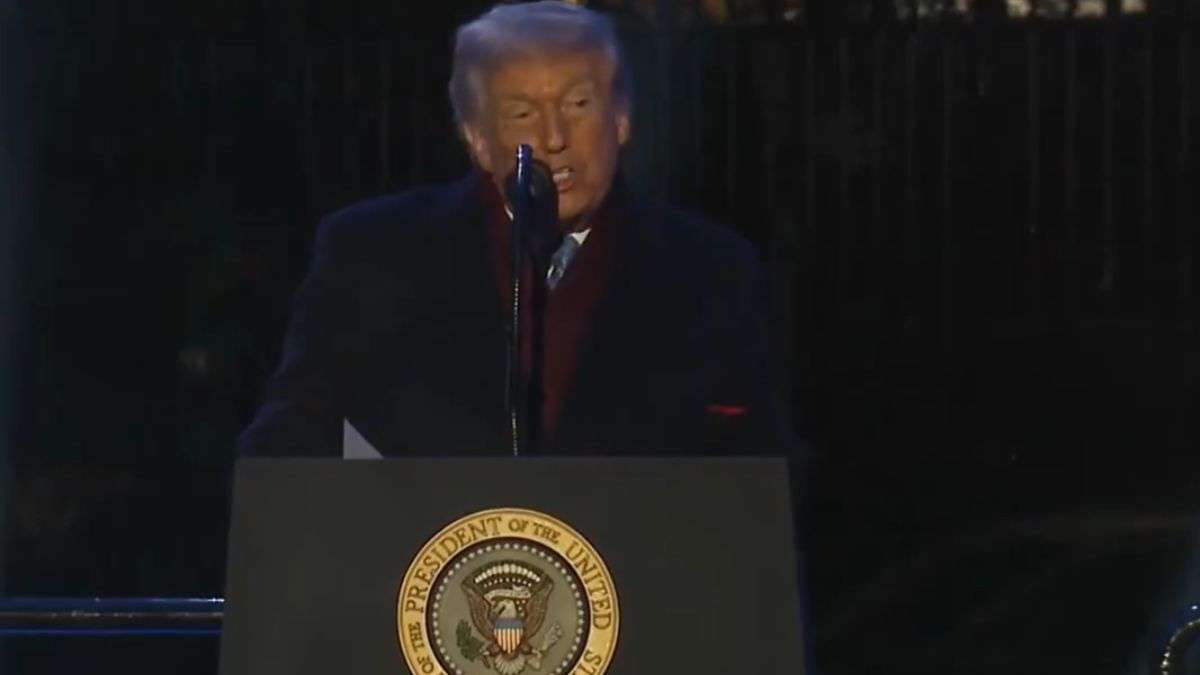



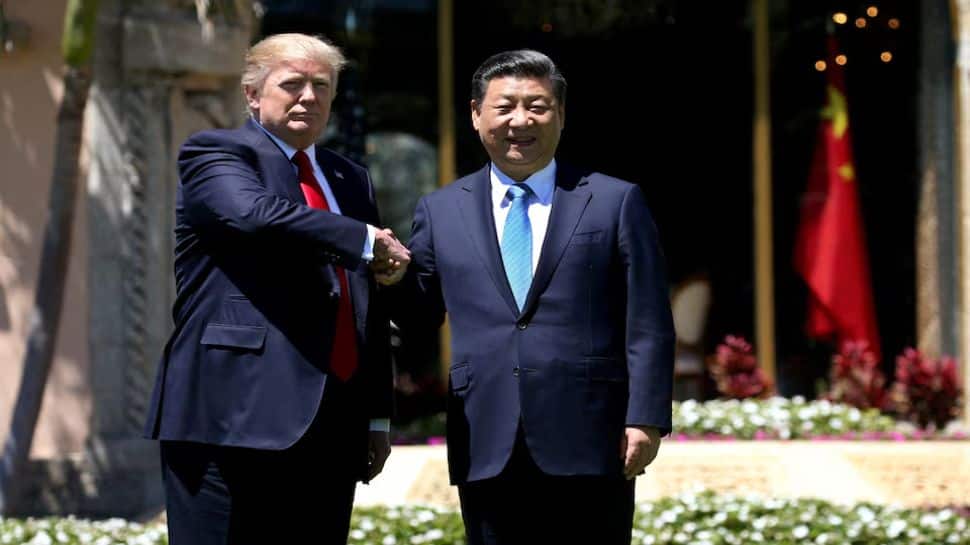
The world is keenly observing the imminent meeting between US President Donald Trump and Chinese President Xi Jinping, a pivotal encounter scheduled for October 30th during the Asia Pacific Economic Cooperation summit in South Korea. This high-stakes diplomatic summit, months in the making, signifies a critical juncture in the escalating trade war between the world’s two largest economies. Beijing is meticulously analyzing every communication and action from the White House, aware of the profound implications of this meeting.
The path to this summit has been fraught with tension, as both nations engaged in escalating economic measures. China initially imposed stringent limitations on rare-earth mineral exports, a move that impacts crucial technologies from smartphones to military hardware, given China’s dominant position in the global supply chain.
In response, President Trump announced plans for a sweeping 100 percent tariff on all Chinese imports set to begin in November, a declaration intended to send a strong message to Beijing.
Despite the public posturing, diplomatic channels remain open, with advisors from both sides suggesting the possibility of finding “practical solutions.” Private communications continue even as public rhetoric remains sharp. Financial markets have reacted with volatility, underscoring the global economic uncertainty.
President Trump seeks a comprehensive agreement addressing both tariffs and rare-earth mineral restrictions. China, however, has signaled its refusal to capitulate under pressure, framing the situation as a critical test of resolve. Strategists view this as a battle for global economic dominance, with the US aiming to establish the rules for future international relations if China concedes.
Meanwhile, China’s economic countermeasures have been precise. The US soybean sector, a significant base of Trump’s support, has been impacted by retaliatory measures, redirecting trade flows to other nations. Chinese exporters are maintaining strong shipment volumes, partly due to a weaker yuan, although domestic economic challenges, including real estate concerns, persist.
In parallel, US restrictions on advanced technology, particularly crucial chips, are hindering China’s progress in areas like next-generation computing. Beijing’s economic planners are actively monitoring US policy shifts to prepare preemptive countermoves.
This economic and political confrontation plays out on global financial stages, with investors recalling past market volatility triggered by tariff threats. China’s centralized economic system allows for swift and coordinated policy responses.
Domestically, China has framed the trade war as a test of national resilience, utilizing patriotic messaging. US strategists believe Beijing understands President Trump’s approach: respecting strong adversaries but retaliating decisively when boundaries are crossed. The influence of Trump’s advisors in shaping policy also remains a significant factor.
As diplomats in Seoul prepare for the physical and symbolic setting of this historic meeting, the possibility of a handshake and preliminary deal outlines exists. However, deep-seated disagreements are likely to remain, making a significant breakthrough improbable. The world watches this high-stakes negotiation, where a single misstep could trigger severe economic repercussions. The core question remains: who will yield first?