.jpeg "Featured Image")




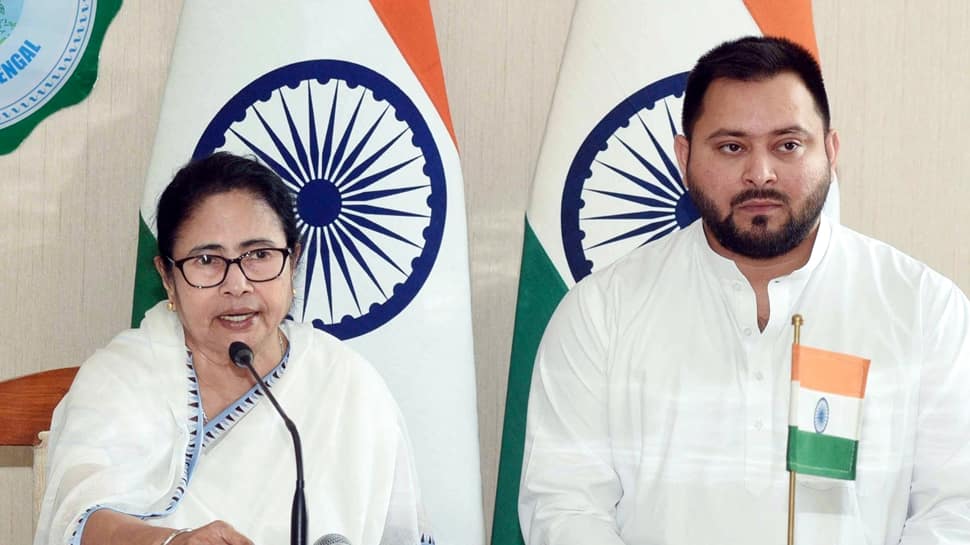
As the Bihar assembly elections draw near, RJD leader Tejashwi Yadav is employing a strategy reminiscent of West Bengal Chief Minister Mamata Banerjee’s ‘outsider’ rhetoric. Yadav’s ‘Bihari versus Bahari’ (local versus outsider) slogan mirrors Banerjee’s ‘Bohiragata’ (outsider) narrative used against national leaders. Both leaders aim to galvanize local sentiment against perceived external political forces, seeking to counter narratives that might question their governance or legacy.
Yadav’s campaign highlights this ‘local pride’ stance, positioning himself as a defender of Bihar’s interests against external interference. This tactic is particularly aimed at undermining the Bharatiya Janata Party (BJP) and countering past criticisms, such as the ‘jungle raaj’ association with the RJD.
Similarly, Mamata Banerjee has consistently labeled national leaders, including Rahul Gandhi and BJP figures, as outsiders. While her critics point to non-local MPs within her own party, her rhetoric often frames these national parties as threats to West Bengal’s cultural and political autonomy. This approach seeks to build a strong political narrative and influence public perception during intense electoral periods.
The ‘outsider’ narrative, though employed in different political contexts, carries significant risks for democratic discourse and social harmony. It can be seen as a strategy to shift focus from performance records to existential stakes, creating a mobilizational advantage for parties during campaigns. As Bihar heads to polls, the effectiveness of this ‘outsider’ card remains a key point of political analysis.