


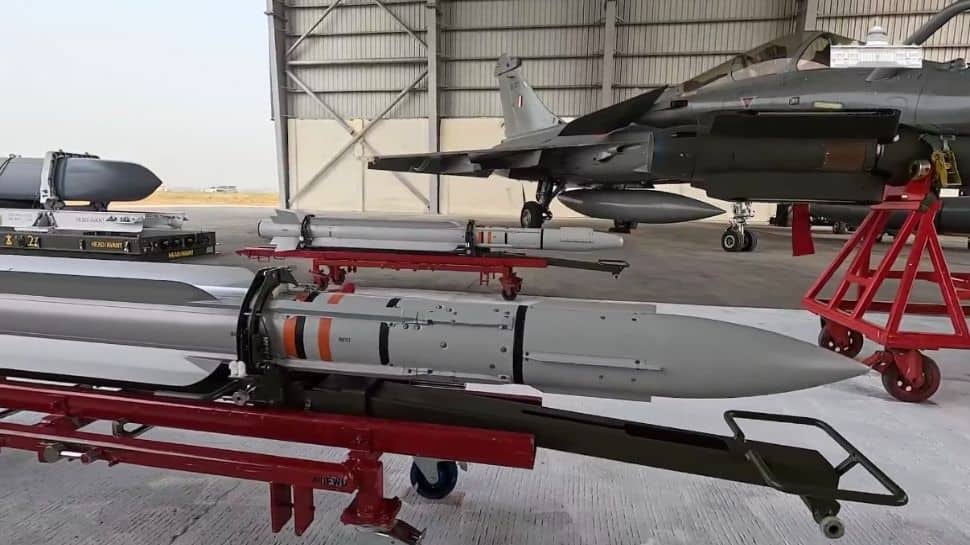
The much-publicized 2016 Rafale fighter jet deal with France, intended to counter Pakistan’s F-16s, is facing intense scrutiny. While billed as a game-changer for India’s air superiority, the 36 Rafale aircraft were delivered without the Meteor air-to-air missile, their most potent weapon. This European-made missile, capable of striking targets at nearly 200 kilometers, is crucial for the Rafale’s combat effectiveness. Without it, the jets’ strategic advantage and justification for their significant cost are questioned.
Nearly a decade after the deal, India is now moving to acquire a fresh batch of Meteor missiles, with a proposal worth approximately Rs 1,500 crore reportedly at an advanced stage within the Ministry of Defence. This move aims to enhance the Indian Air Force’s (IAF) aerial combat capabilities, implicitly admitting the aircraft have operated for years without their primary armament.
Defence experts and veterans have criticized this oversight as a major planning failure and a dereliction of duty. The initial justification for reducing the fleet from 126 to 36 aircraft was that these would be the ‘best of the best.’ However, the absence of Meteor missiles renders this claim questionable. The core rationale for acquiring the Rafale was to match and surpass Pakistan’s AMRAAM-equipped F-16s. Failing to equip the jets with the Meteor missile, which offers superior range, significantly undermined this objective. Some analysts suggest this omission borders on corruption, as a crucial element of the Rafale’s combat advantage was overlooked.
Recent aerial operations, including Operation Sindoor, highlighted India’s need for long-range air-to-air capabilities. While Pakistan’s retaliatory missile barrage failed to hit Indian aircraft, it underscored the importance of having weapons that can neutralize enemy threats from a distance. The Meteor missile is now being fast-tracked for procurement to finally equip the Rafale fleet as originally intended.
Concurrently, India is investing in indigenous missile development, with DRDO working on the Astra Mark 2 missile for its other fighter fleets. However, the Rafale deal’s delayed acquisition of Meteors raises critical questions about oversight, accountability, and foresight within India’s defence establishment. The significant gap exposes a void in strategic planning for what was considered a landmark defence purchase.