



India’s defense strategy is undergoing a significant transformation, moving away from substantial foreign fighter jet acquisitions towards bolstering its indigenous aviation capabilities. While the Indian Air Force (IAF) urgently requires more aircraft to bridge a critical squadron deficit, the government appears to be prioritizing the development and production of its own advanced combat planes. This strategic pivot aims to achieve self-reliance in cutting-edge aviation technology, potentially slowing down future foreign procurements.
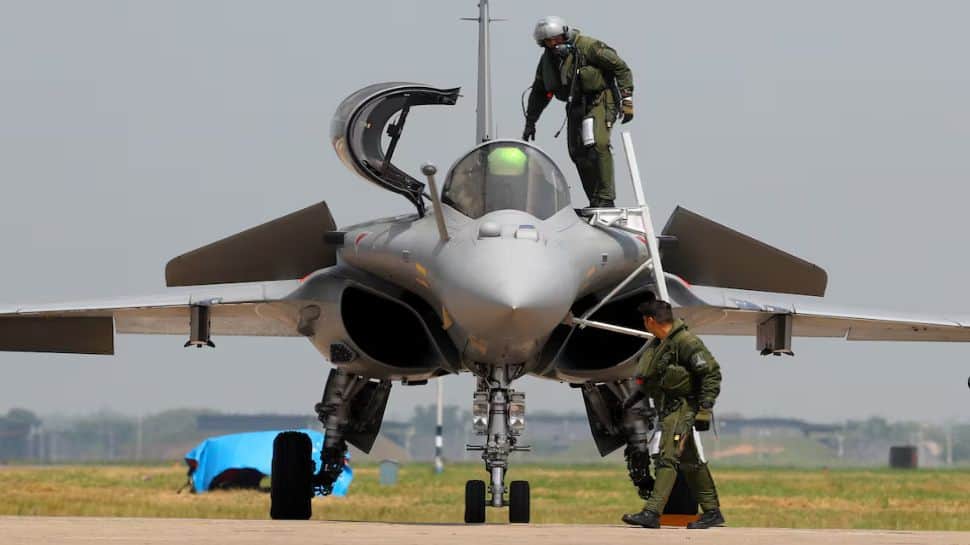
The IAF currently operates 31 fighter squadrons, falling short of the 42 needed for adequate national defense. Facing this persistent gap, senior officials have previously advocated for additional French-made Rafale jets, citing their superior combat readiness. A recent proposal for 114 Rafale jets, valued at over Rs 2 lakh crore, was sent back by the government for further details, specifically demanding a clearer roadmap for local manufacturing and comprehensive technology transfer.
Industry insiders suggest the government is pushing Dassault Aviation, the Rafale manufacturer, to produce key components within India. However, defense experts warn that the window for such a deal is rapidly closing. As India’s indigenous Tejas Mk-2 and the futuristic Advanced Medium Combat Aircraft (AMCA) gain momentum, the justification for a new, costly Rafale purchase may diminish.
The Tejas Mk-2, a 4.5-generation fighter, is progressing steadily with its prototype anticipated by mid-2026 and first flight in 2027. Full production is eyed for 2029-2030, featuring advanced avionics and an indigenous AESA radar. Meanwhile, the Tejas Mk-1 is already entering production, with initial batches set for Air Force induction. The fifth-generation AMCA stealth fighter is also on track, with a prototype expected around 2030.
Given these domestic advancements, questions arise about the prudence of investing billions in foreign jets when Indian alternatives will be operational within a similar timeframe. Russia’s offer of its Su-57E fighter with full technology transfer presents another complex strategic choice, though India’s preference leans towards building its own strength. The government is actively encouraging Hindustan Aeronautics Limited (HAL) and private players to enhance production and establish a robust defense manufacturing ecosystem, signaling a decisive shift towards ‘Make in India’ for its aerial defense needs.