




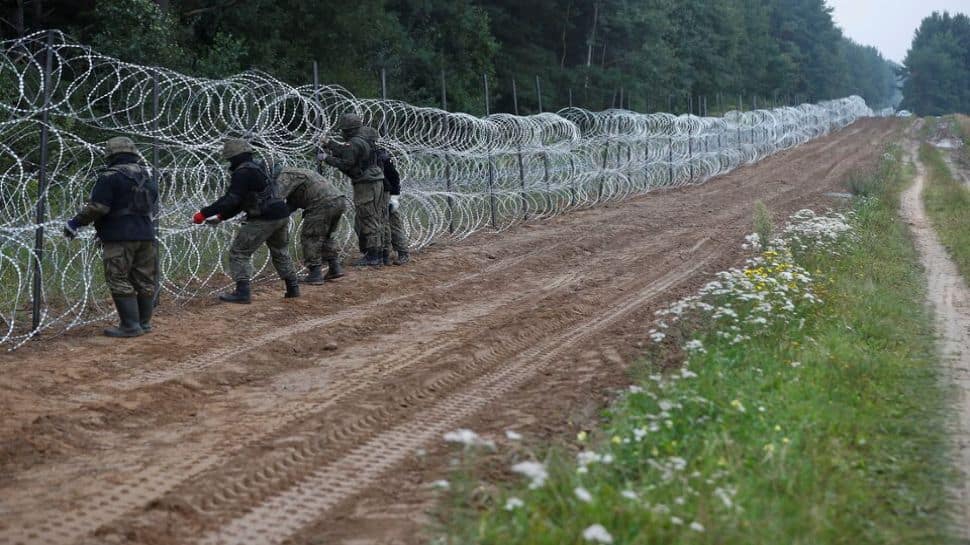
European nations are reviving an ancient military tactic to counter potential threats along their eastern borders. Inspired by Ukraine’s effective use of water defenses, countries like Finland and Poland are transforming their frontiers into formidable, natural barriers. This innovative approach leverages the power of peatlands, creating marshy terrain that is extremely difficult for military forces to penetrate.
Finland, with its extensive 1,500-kilometer border with Russia, is at the forefront of this strategy. Experts are identifying drained areas along the eastern frontier and initiating re-flooding processes to recreate these natural defenses. Poland is also actively fortifying its borders with Russia and Belarus, focusing on restoring marshlands to enhance security.
Historically, marshy terrain has proven to be a significant impediment to military advances. During World War II, the treacherous wetlands of Eastern Europe significantly hampered German forces, causing vehicles to sink and logistical chains to collapse. This historical precedent underscores the strategic advantage of peatland defenses.
Modern initiatives are not only focused on defense but also on environmental benefits. Peatland restoration projects, underway in countries like Germany, Scotland, and Indonesia, help capture carbon, mitigate flood risks, and preserve vital water resources. By reviving these once-drained ecosystems, Europe is creating a dual-purpose defense system that offers both strategic security and ecological advantages in the face of evolving geopolitical landscapes.