


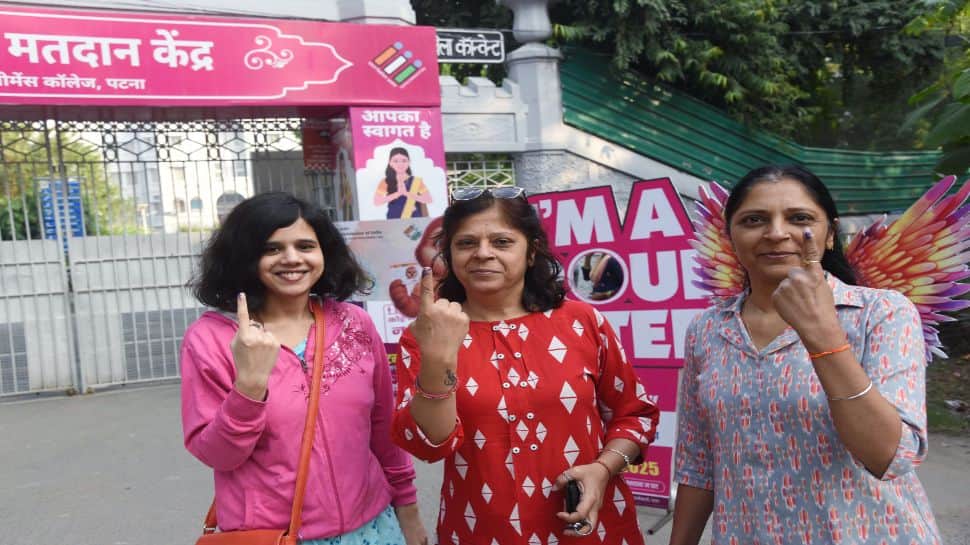
Bihar’s political landscape is buzzing following an unprecedented 64.46% voter turnout in the first phase of the state assembly elections. This remarkable surge, significantly higher than the 55.68% recorded in the first phase of the 2020 elections, has the potential to dramatically alter the state’s political trajectory.
Historical data from Bihar’s 17 assembly elections since independence reveals a strong correlation between shifts in voter participation and changes in government. A fluctuation of more than five percent in turnout has often signaled a shift in power. Experts suggest the current election’s high turnout could lead to significant political realignments, even without a complete change in leadership.
Looking back, elections in 1967, 1980, 1990, and 2005 were pivotal. A 7% turnout increase in 1967 ushered in a non-Congress government. In 1980, a 6.8% rise brought back Congress, while 1990 saw a 5.8% increase end Congress rule and start Lalu Prasad Yadav’s era. The significant 16.1% drop in 2005 turnout ended the RJD’s 15-year reign and brought Nitish Kumar to power, initiating his two-decade tenure.
Analysts are predicting several outcomes. Nitish Kumar might consolidate his position, mirroring his 2010 success. Alternatively, Prashant Kishor’s Jan Suraj party could emerge as a significant third force, impacting future political dynamics. Tejashwi Yadav of the RJD may face internal party struggles if the opposition coalition falters. Factors like promises made to women, mobilization of backward classes, and post-Chhath festival participation are contributing to the high turnout. The outcomes of the second phase will be crucial in shaping Bihar’s future.