


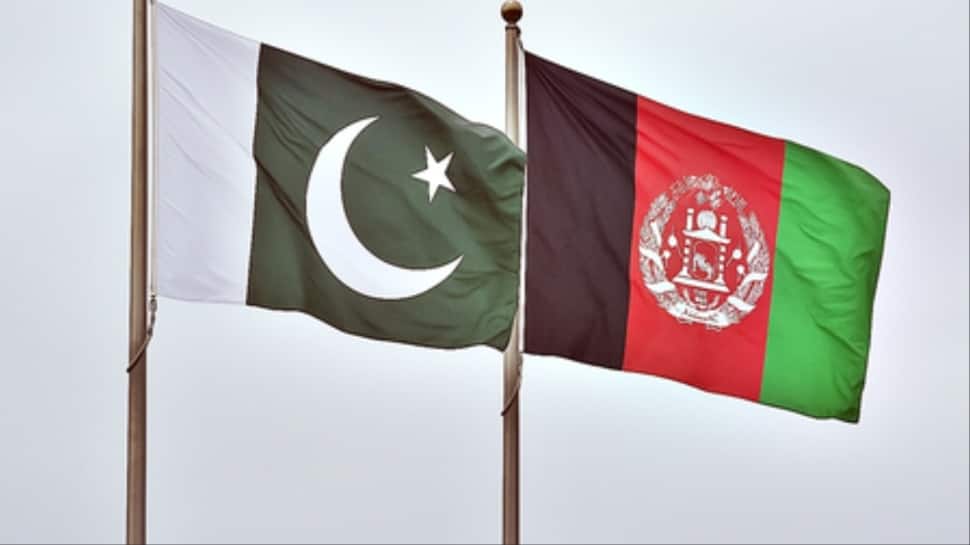
Afghanistan’s Taliban government has issued a stern warning to Pakistan, vowing to defend its territory and not allow any nation to use Afghan soil for hostile activities. This strong stance comes after the latest round of peace talks between the two countries concluded without resolution, leading to a significant diplomatic standoff.
The Islamic Emirate of Afghanistan reiterated its commitment to preventing its land from being exploited against any other country. In a statement released by its official spokesperson, the Taliban emphasized that Afghanistan itself would not permit any nation to compromise its sovereignty or security.
“The defense of the people and the land of Afghanistan is both an Islamic and national duty of the Islamic Emirate,” the statement declared. “Afghanistan will defend itself against any aggression.”
The Taliban also acknowledged the mediation efforts of Turkey and Qatar, referring to them as “two brotherly nations” for their role in the failed dialogue.
Escalating Accusations Against Pakistan
The warning follows Kabul’s accusations that certain elements within the Pakistani military are actively pursuing policies that undermine Afghanistan’s stability. The Taliban alleges that these “certain military elements” are deliberately creating tensions through “manufactured pretexts,” viewing a strong and stable Afghan government as a threat to their own objectives.
“Unfortunately, some military elements in Pakistan appear to consider Afghanistan’s stability, security, and development as threats to their objectives,” the Taliban stated, accusing these factions of exploiting periods of regional unrest to destabilize the wider area.
Border Tensions and Fragile Ceasefire
Relations between Afghanistan and Pakistan have become increasingly strained in recent weeks. This deterioration follows deadly border clashes that resulted in numerous casualties on both sides. The violence erupted shortly after explosions in Kabul on October 9th, which coincided with the Taliban foreign minister’s visit to India. A fragile ceasefire, brokered by Qatar on October 19th, has since brought a temporary halt to the fighting.
The Taliban expressed significant disappointment with what they described as the “irresponsible and non-cooperative” attitude of the Pakistani delegation, attributing the collapse of the peace talks to this behavior. Despite the diplomatic friction, the group extended goodwill towards the “Muslim people of Pakistan,” referring to them as “brothers” and expressing a continued hope for peace and stability.
Rebutting Pakistan’s Claims on TTP
In response to Pakistan’s persistent allegations linking the rise of the Tehrik-i-Taliban Pakistan (TTP) to the Taliban’s return to power in Kabul, the Islamic Emirate has unequivocally dismissed these claims as “false and baseless.”
The Taliban spokesperson argued that militancy within Pakistan is not a new issue and that significant incidents occurred long before 2021. “The problem is primarily Pakistan’s internal issue, not one caused by the Islamic Emirate,” the spokesperson asserted.
Kabul’s Stability Measures
The Taliban government highlighted several initiatives undertaken to bolster regional stability. These include promoting dialogue among religious and political leaders, facilitating the relocation of tribal refugees from areas along the Durand Line, and enforcing a ban on weapons within refugee communities.
As diplomatic avenues appear to be closing and tensions persist along the Afghanistan-Pakistan border, the Taliban’s latest warning underscores the precarious state of regional relations and the significant challenges in averting further conflict.