



Chinese scientists have achieved a monumental breakthrough, successfully demonstrating the conversion of thorium into uranium in a liquid-fuel molten salt reactor. This achievement, building on declassified American research from the 1960s, unlocks a vast and clean energy potential that was previously overlooked.
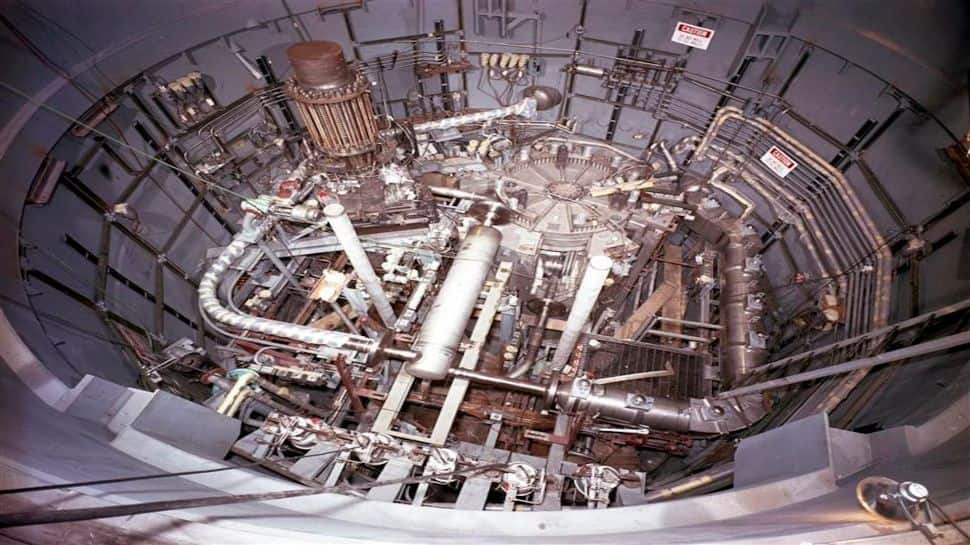
The two-megawatt Thorium Molten Salt Reactor (TMSR), developed by the Shanghai Institute of Applied Physics, has proven the viability of thorium as a nuclear fuel. This marks a significant advancement, as the technology was initially explored by the U.S. but later abandoned due to Cold War priorities.
Project lead Xu Hongjie stated that China is the rightful successor to this forgotten dream, meticulously studying U.S. declassified documents to bring the concept to fruition. The nation is now poised to lead in thorium-based nuclear technology, a field neglected for decades.
Further development is already underway for a 10-megawatt reactor, designed for commercial electricity generation. A key advantage of China’s TMSR is its ability to operate without the significant water requirements of traditional nuclear plants, making it ideal for arid regions facing increasing energy demands.
This breakthrough offers a compelling alternative to uranium, which is both rare and poses significant health and environmental risks, including toxicity and costly, damaging mining processes. Thorium, conversely, is abundant, less radioactive, and produces substantially less long-lived radioactive waste, offering a cleaner nuclear power solution.
The project represents not only a technical triumph for China but a strategic move towards energy independence and sustainability. The successful Gobi Desert experiment is a testament to reborn innovation, with the potential to reshape the global energy landscape.