

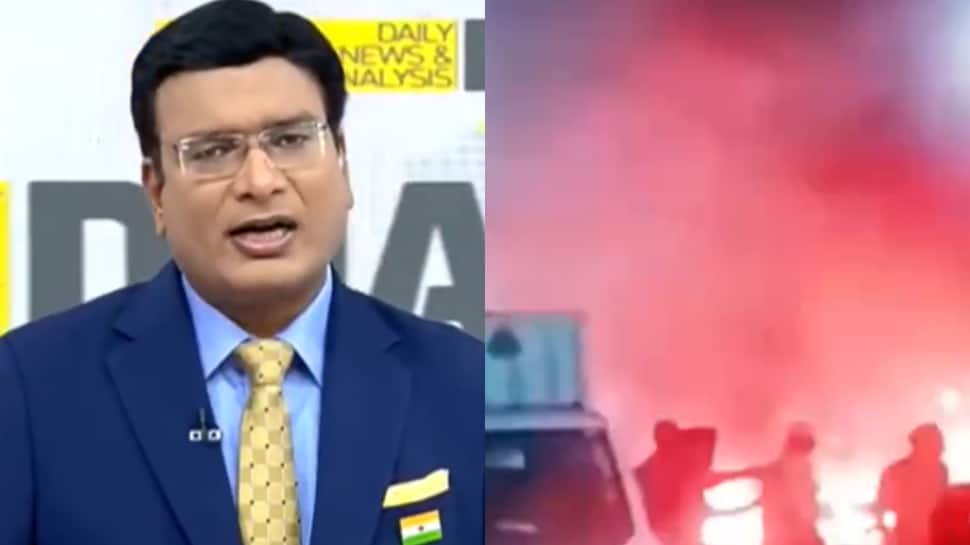
A devastating explosion near Delhi’s Red Fort metro station has claimed at least eight lives and left numerous others injured, prompting a swift and comprehensive investigation. The National Investigation Agency (NIA) has taken charge of the probe, with Union Home Minister Amit Shah demanding an urgent report. Emerging details from the blast suggest a concerning shift in terror tactics and potential links to Pakistan. Investigators are scrutinizing unusual characteristics of the explosion, including the absence of a crater, a horizontal force dispersal, a significant fire, and a vehicle that was burned but not entirely destroyed. These anomalies indicate the use of a low-intensity explosive like Ammonium Nitrate Fuel Oil (ANFO), which requires specialized detonation skills typically possessed by trained operatives. Historically, ANFO has been associated with groups like the LTTE, Afghan Taliban, and the Islamic State of Khorasan Province (ISKP), which operates within Pakistan. Given the current geopolitical landscape and growing India-Afghanistan relations, ISKP has become a primary focus. Intelligence reports have repeatedly pointed to the involvement of Pakistan’s intelligence agency, ISI, in collusion with ISKP, potentially leveraging their explosive expertise alongside other Pakistan-based terror outfits. The profiles of the individuals apprehended in connection with the blast—highly educated doctors—further align with ISKP’s modus operandi of radicalizing educated professionals. A stark parallel has been drawn to the 2019 Sri Lanka Easter bombings, which also involved well-educated perpetrators and fertilizer-based explosives, hinting at a potential common terror network. Recent intelligence also points to renewed terror activities in Pakistan, including meetings between military officials, the ISI, and various terror groups in Pakistan-occupied Kashmir. The possibility that the Red Fort blast was planned in these reactivated camps is being actively investigated. The role of Dr. Umar Nabi, who was present at the scene for an extended period before the explosion, is also under scrutiny, with speculation that he might have been receiving instructions from handlers across the border. The recent arrests of radicalized doctors in Faridabad and Jammu and Kashmir have put pressure on terror modules, potentially leading to an impulsive act by Dr. Nabi out of fear of exposure.