




New Delhi is on high alert following two alarming incidents: a devastating car bomb blast near the Red Fort that claimed nine lives and injured over 20, and widespread GPS spoofing that disrupted air traffic at Indira Gandhi International Airport (IGIA). Occurring in close succession, these events suggest a potential coordinated ‘hybrid terror’ strategy, possibly orchestrated from across the border. Investigators are meticulously examining the link between the sophisticated cyber interference and the deadly ground assault.
The GPS spoofing incidents began late last week, causing significant navigation system disruptions for aircraft approaching and departing Delhi. Pilots reported receiving false positional data and erratic alerts within a 60-nautical-mile radius of IGIA, forcing reliance on manual air traffic control. Aviation authorities suspect cross-border interference, a tactic previously noted near India’s western border. The Directorate General of Civil Aviation (DGCA) has mandated immediate reporting of any such anomalies, and the National Security Adviser’s office is leading an inter-agency probe into the electronic disruptions.
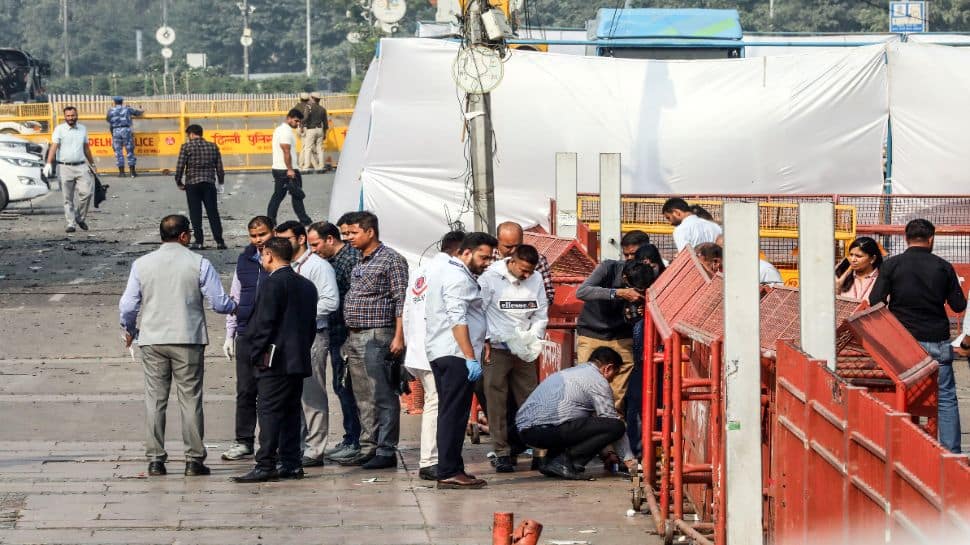
Just days later, a car exploded near the Red Fort Metro Station, engulfing nearby vehicles and tragically killing nine people. Over 20 others sustained injuries. Preliminary investigations suggest a suicide attack involving a car packed with explosives. Security agencies have invoked the Unlawful Activities (Prevention) Act (UAPA), and the National Investigation Agency (NIA) has taken over the probe. CCTV footage reveals the car was parked for nearly three hours before the explosion, leading to theories that the device may have detonated prematurely. This incident followed the seizure of a large cache of explosives in Faridabad, hinting at a broader terror plot.
Forensic analysis of the blast site revealed no crater or shrapnel, leading experts to believe it was an Improvised Explosive Device (IED) that detonated due to mishandling or panic. The convergence of the GPS spoofing and the Red Fort blast has intensified scrutiny on Pakistan’s intelligence agencies. Security analysts are concerned about a new ‘technological warfare’ pattern, where cyber disruptions are employed to mask or facilitate physical attacks. The NIA, DGCA, and the National Technical Research Organisation (NTRO) are collaborating to ascertain if the spoofing was a deliberate diversion tactic. The coming days will be crucial in determining whether these events are isolated or the precursor to a more extensive terror campaign.