.jpeg "Featured Image")



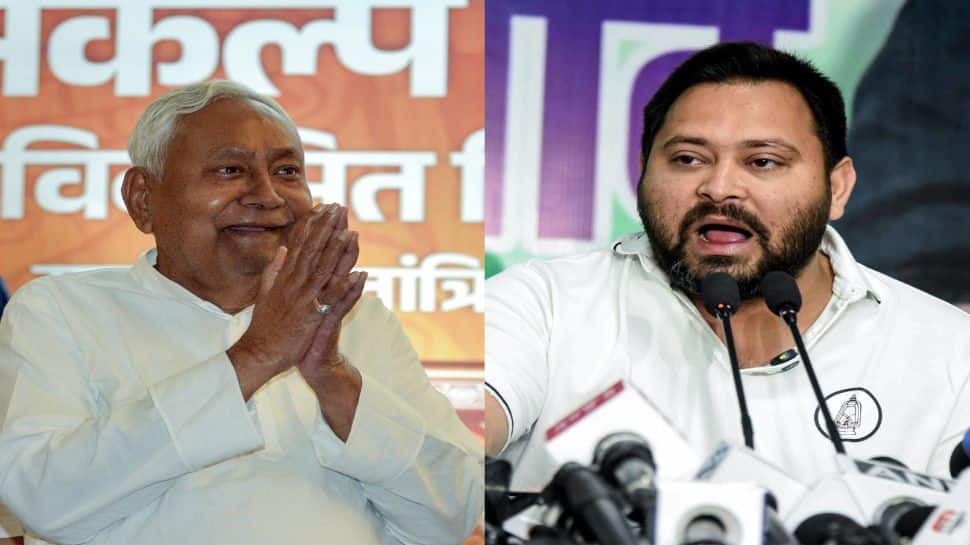
Bihar’s 2025 assembly elections are shaping up to be a closely contested affair, with exit polls indicating a lead for the ruling National Democratic Alliance (NDA). Major pollsters like Axis My India and Today’s Chanakya have released their projections, suggesting the NDA is the frontrunner in the 243-member assembly. Mahagathbandhan (MGB) is anticipated to be the main opposition, trailing closely behind.
Axis My India’s exit poll forecasts between 121 and 141 seats for the NDA, with the MGB expected to secure 98 to 118 seats. Prashant Kishor’s Jan Suraaj Party (JSP) is projected to win a maximum of two seats. In contrast, Today’s Chanakya predicts a more dominant performance for the BJP-led alliance, forecasting 160 seats for the NDA, 77 for the RJD-led MGB, and 6 for other parties.
A consensus across nine exit polls released on November 11 suggests the NDA could secure around 147 seats, while the MGB might get approximately 90 seats. The Jan Suraaj Party is expected to win one seat, and smaller parties could collectively win about five. The official results are scheduled for November 14.
Pollsters emphasize that the election remains competitive. Axis My India’s Pradeep Gupta highlighted the close nature of the contest and the potential impact of the Jan Suraaj Party, which may have drawn nearly 4% of the vote share. He noted that a significant portion of Kishor’s support might have originated from traditional NDA voters, which could influence seat distributions.
Analysts point out that new political entities are often underestimated in surveys. If Kishor’s support base significantly exceeds expectations, potentially reaching 8-10%, the electoral landscape could shift dramatically.
Reflecting on the 2020 Bihar elections, exit polls had largely favored the RJD, predicting substantial losses for the NDA. However, the final results showed the NDA securing 125 seats, just enough for a majority, while the MGB garnered 110 seats. The RJD emerged as the largest single party with 75 seats, closely followed by the BJP with 74.
This election also witnessed a historic surge in female voter turnout, with women outnumbering men at the polls for the first time. The overall voter turnout reached 66.91%. Election Commission data reveals that 71.6% of women cast their votes, a significant increase compared to the 62.8% turnout among men, marking the largest gender gap in the state’s electoral history. This increased participation by women could play a pivotal role in determining the final outcome as Bihar awaits its next government.